Jonathan C. Lewis
Brigitte Bardo
A fictional travelogue; three minute read.
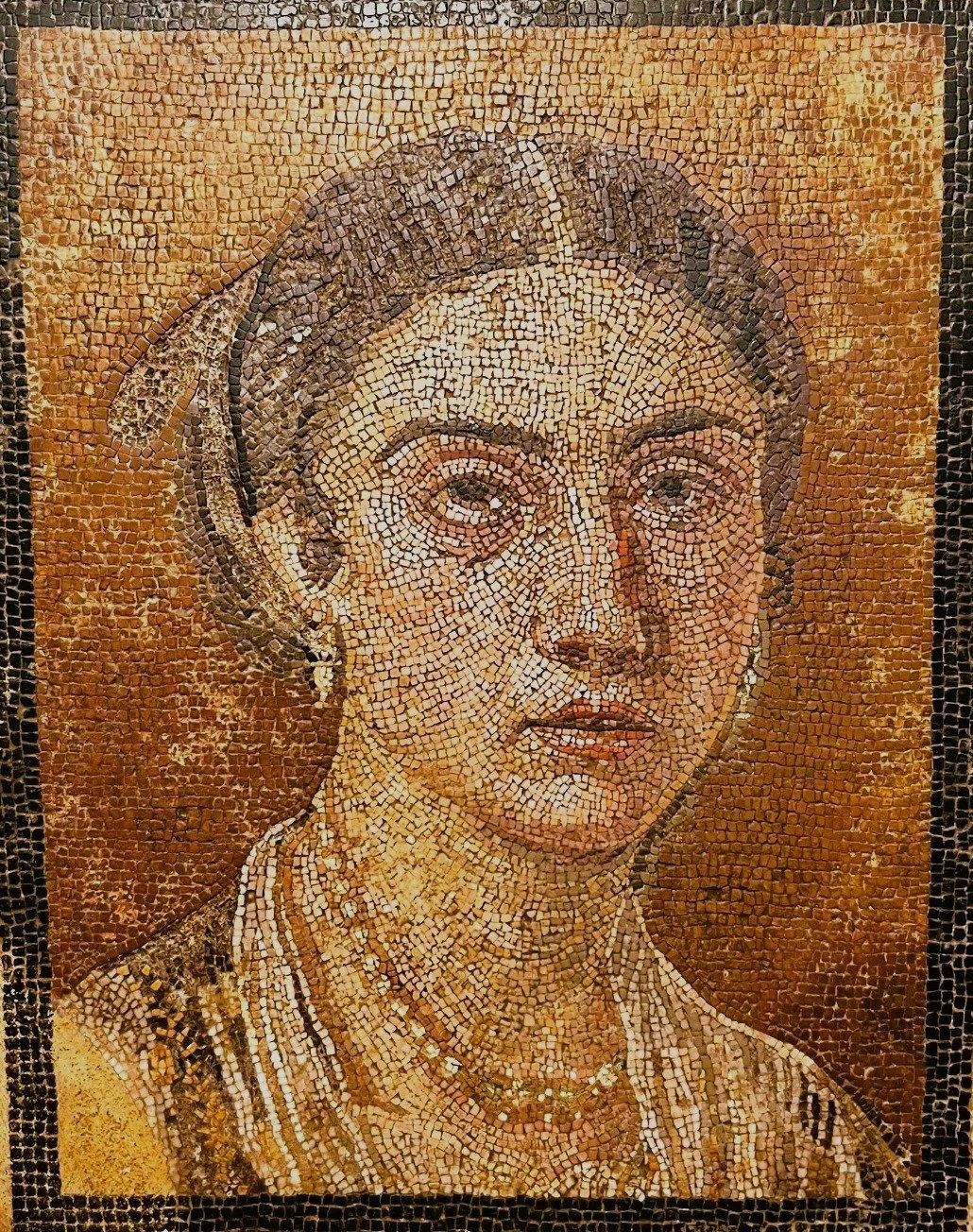
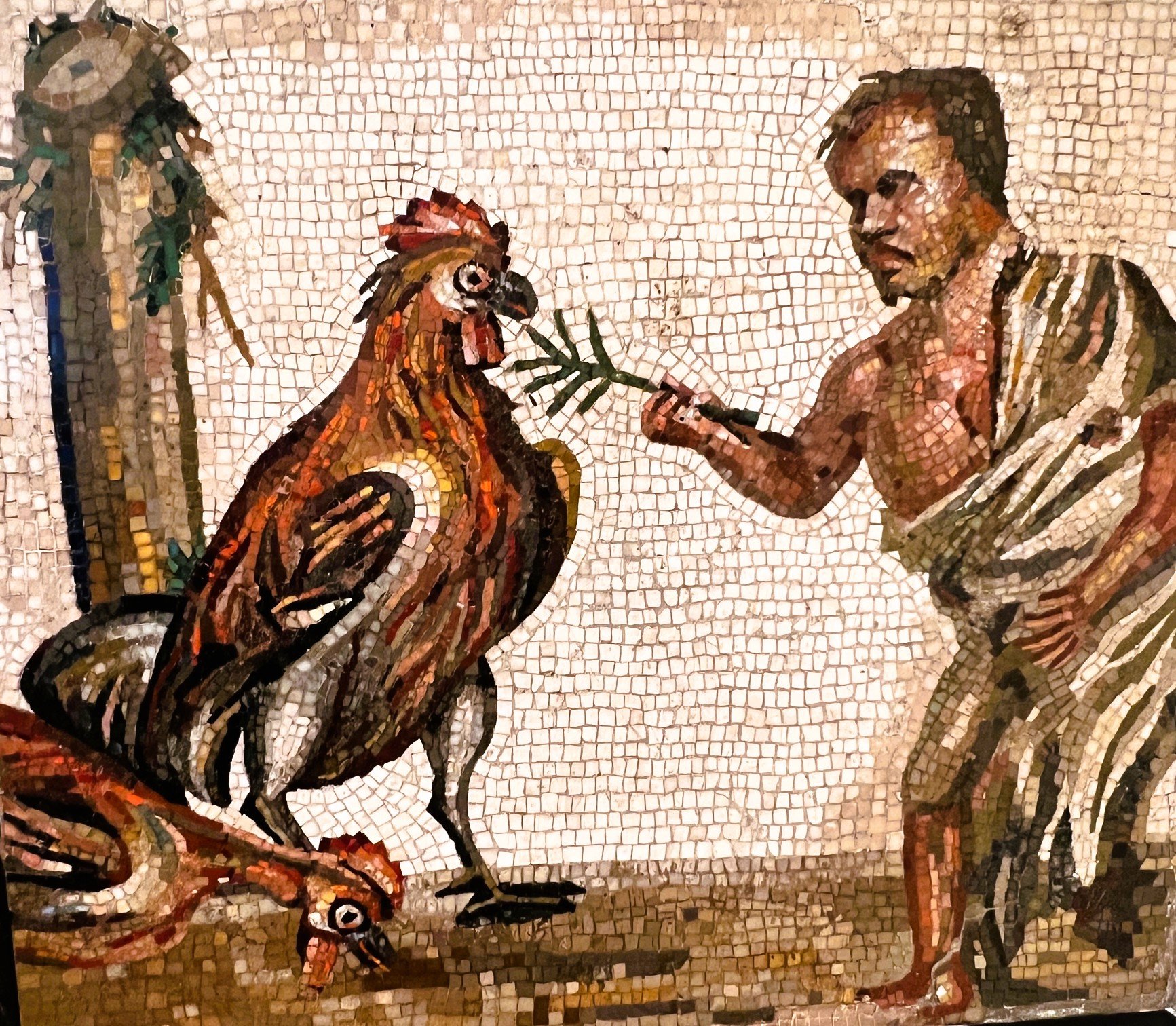
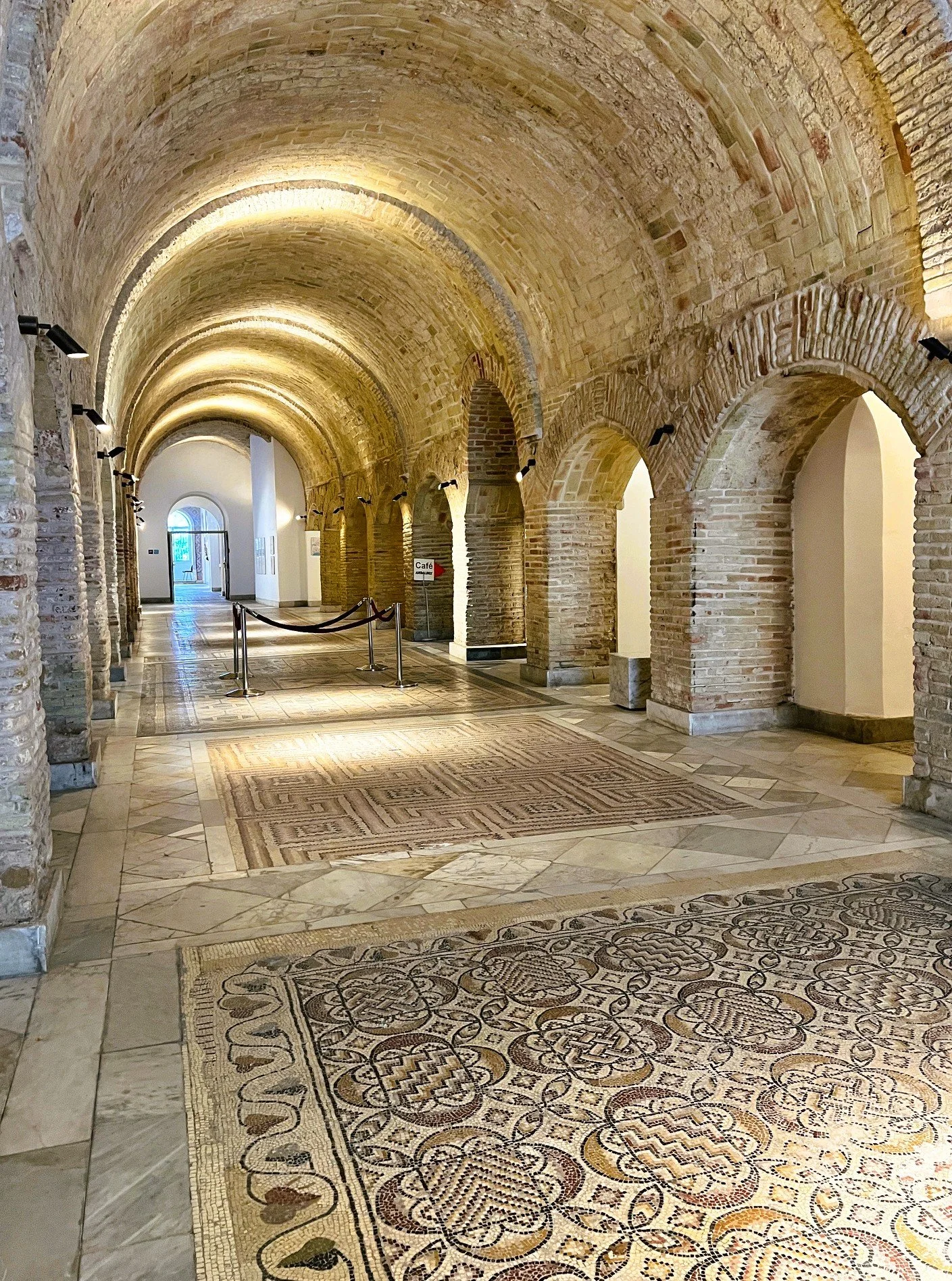
“Here in the Bardo Museum, Tunisia has the world’s largest collection of Roman mosaics,” my guide boasts as if she personally mortared them. The artworks are opulent, sensual, sexy.
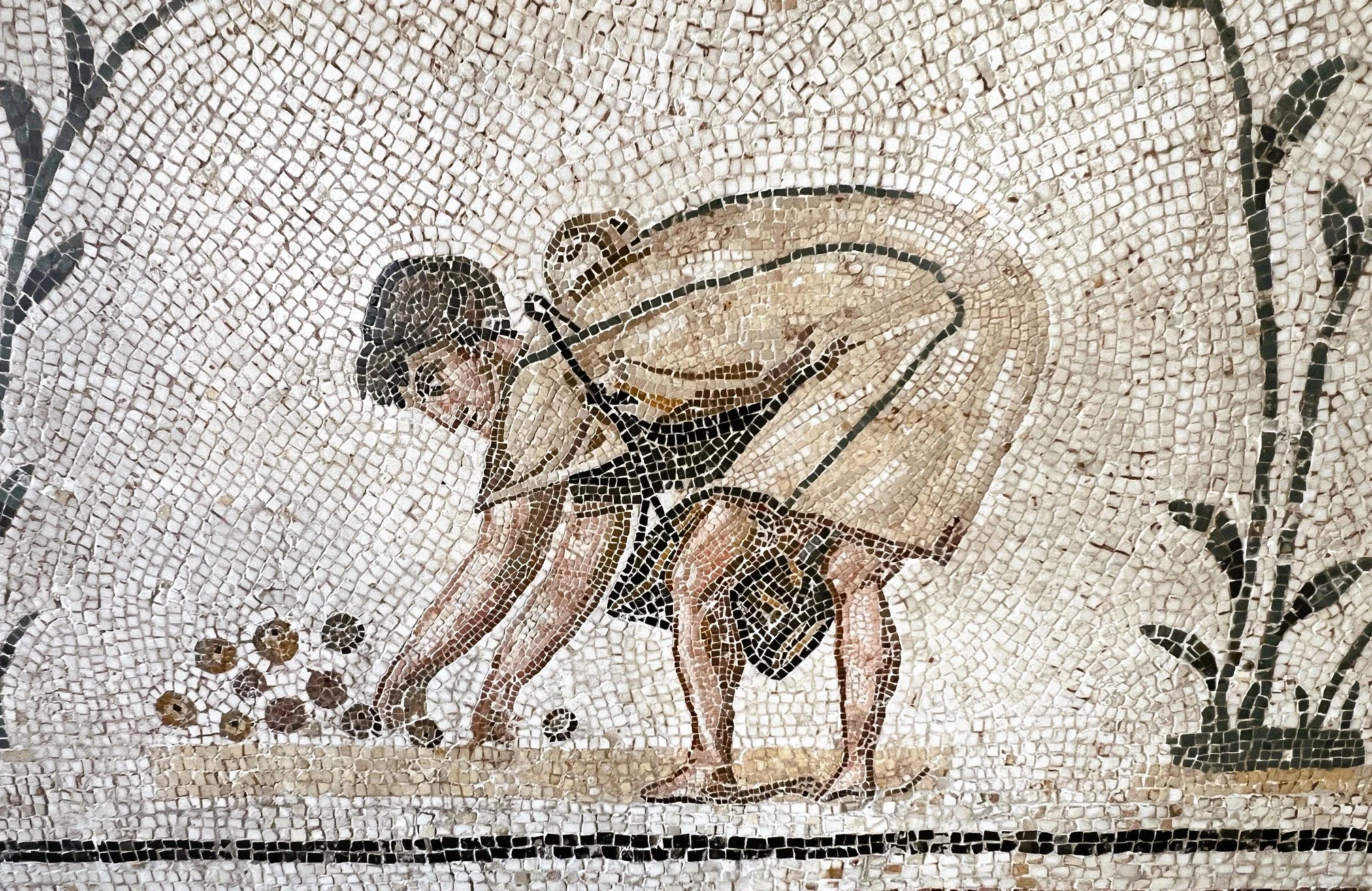
The third century mosaics depict fisherman fishing, farmers farming, sailors at sea, hunters spearing boar, gazelles and wild donkeys. Marshes lined with papyrus plants. Mythological legends. Family pets.
I look around to see if my wife is enjoying the tour. Not for the first time, I wish she were here. She died in an auto accident three years ago. Traveling alone is lonely.
“We are in an 18th century palace. You’re looking at a ‘mosaic’ of daily life from ancient Carthage, Roman outposts and the Islamic world,” our guide grins, almost giggles, at her pun.
The name tag bouncing above her breast reads ‘Brigitte.’ Her hair is tied in a bun. Her left hand is ring-free.
My face flushes the soft-hued scarlet color of mosaic tesserae. I move in closer to hear better, possibly to catch a whiff of her olive skin.
I’m daydreaming about a woman I don’t know. Is she parroting a memorized script or is she a lover of art history? Would she care that I teach high school history?
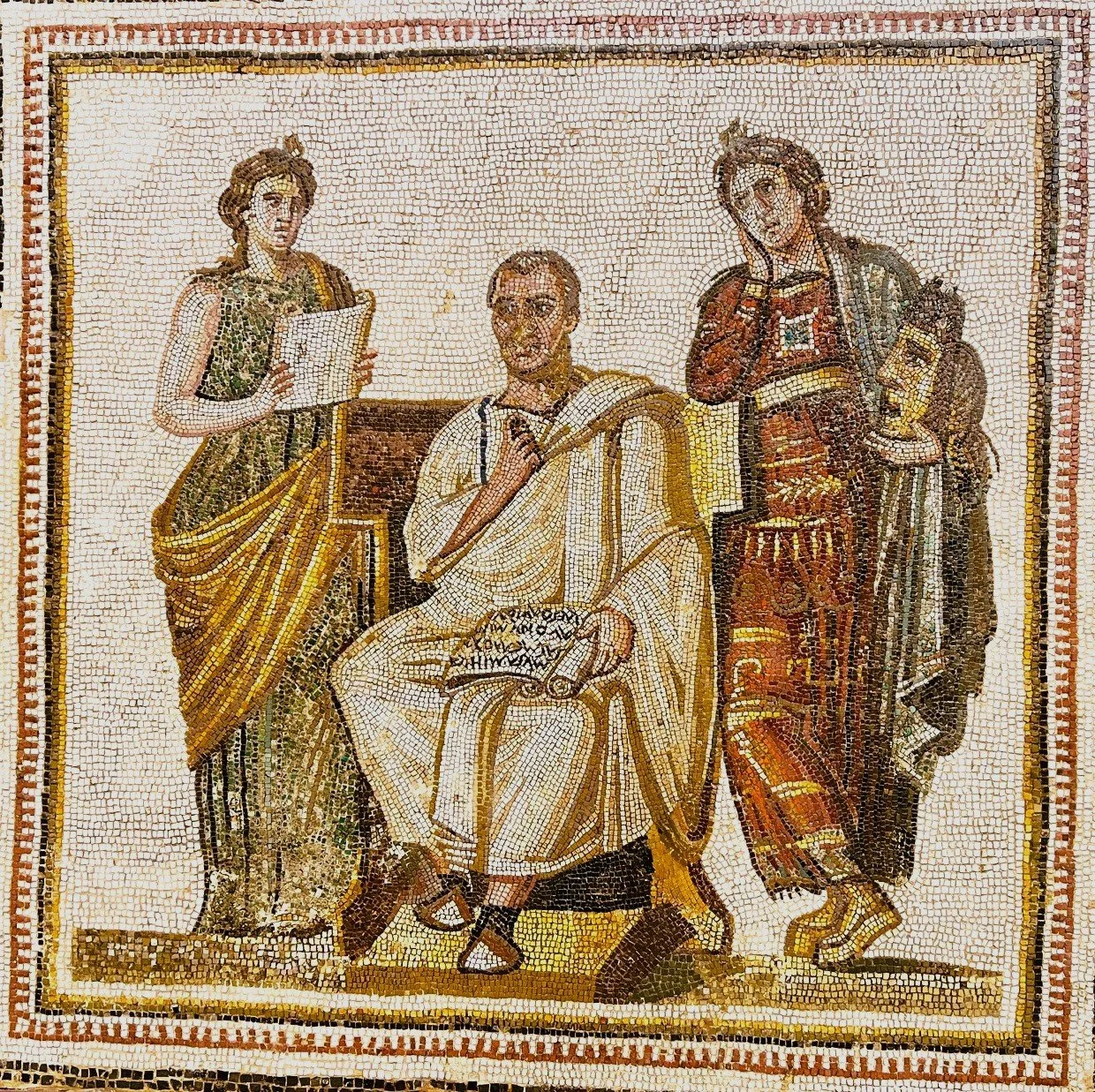
According to Brigitte, the museum’s crown jewel—its Mona Lisa—is the mosaic of Virgil writing The Aeneid. He’s flanked by the muses of history and tragedy.
In the Arab world, history and tragedy—grief and loneliness—are more than poetic musings. A wall plaque remembers the twenty-two people killed in a 2015 terrorist attack on the very spot where I am standing. The Arab Spring began just blocks away in the Medina. A Nobel Peace Prize in the foyer honors the struggle for democracy.
Interrupting my inner history lecture, I scurry to catch up to the tour. I don’t want Brigitte to think I’m bored. I’d no sooner miss a word from her lips than diss a Roman poet.
“Mosaic floors and walls showed off their owner’s wealth and accomplishments. Like yachts for today’s tech billionaires. North Africa’s rich agricultural lands grew the grain—1.3 million tons annually—that fed Caesar’s Rome for eight months of the year,” she bubbles. Facts I can use in my classroom to illustrate that globalization is nothing new.
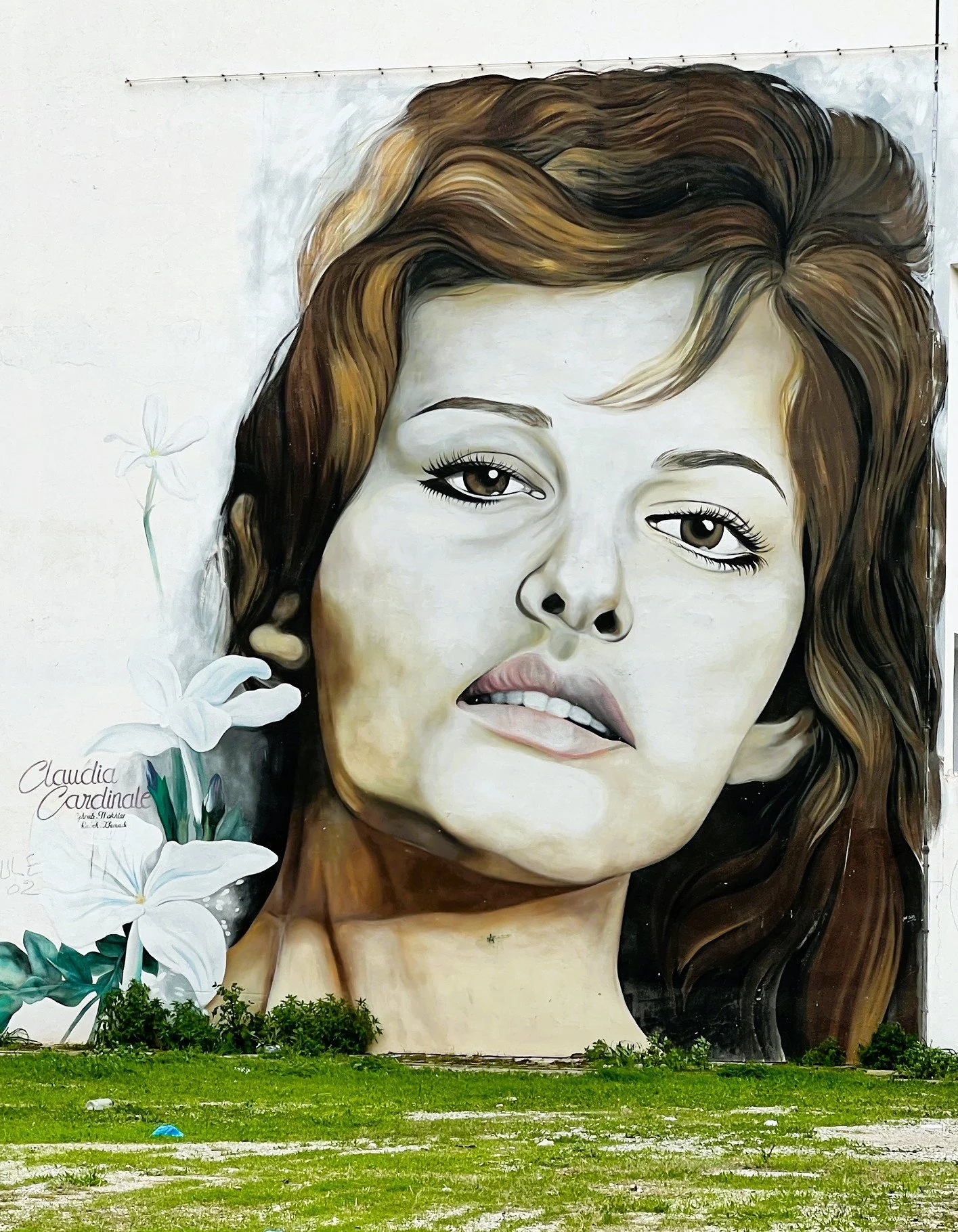
She has the same teasing, playful energy as Tunisian-born actress and sex symbol Claudia Cardinale. Much revered in Tunis, the performer’s childhood neighborhood has a public mural of her.
“In Pompeii, a ten by eighteen-foot floor is carpeted with four million mosaic pieces. The design is probably from Tunisia where the best mosaic artisans traveled the known world armed with pattern books featuring their best compositions,” Brigitte is saying.
“Roman mosaics were only possible because of slave labor. Back then, half the population of the Roman Empire was enslaved. Who else but slaves would toil bent over forming the thousands of chips into patterns?” she asks with a raised, questioning, flirty eyebrow. I smile appreciatively, warmly.
In the crevices of my mind, the mosaic images blur into a montage. For a few seconds, I can’t imagine there’s a Roman mosaic left anywhere else in the world. Or any other place I’d rather be.
When I look around to find Brigitte, she’s gone. A mosaic fragment hidden in my memory.