Jonathan C. Lewis
Superdawg
A fictional travelogue; three minute read.
On the car radio, a Chicago talk show host is complaining about immigrants ruining the purity of America. He invokes some idiot Congressman from Texas who is babbling on about American Muslims eating with their hands. “Their customs are so backward and barbaric,” he claims. “I teach my children American table manners.”
Deep, deep inside my head, I scream. Apparently, this particular Texan has never eaten Texas barbequed ribs. Or tacos, pizza, hamburgers, French fries, burritos, dolma, arancini, chicken wings, deli sandwiches, quesadillas, egg rolls, mozzarella sticks, onion rings, empanadas, bao buns, gyros, falafel, sliders, nachos, tamales, pretzels, popcorn, chips with dip.
Me? I’m about to use my hands to eat a hot dog at Superdawg.
Chicago’s last remaining drive-in is a kind of midwestern Statue of Liberty. Not including it on my itinerary is unthinkable to me and my stomach.
The 1950s neon-lit architecture is right out of the movie American Graffiti. Two twelve-foot-high hot dog mascots with human arms and legs soar above the roof line. The hot dog torsos have human faces with bright red lightbulbs for eyes. The female wears a blue skirt, the male is wrapped in a leopard print.
Superdawg is family-owned. Maurie and Flaurie Berman—both part of the great American immigration story—served their first dog in 1948. No surprise there. Chicago has more mom-and-pop hot dog joints than all its McDonald’s, Burger Kings and Wendy’s combined.
Five decades earlier at the 1893 Columbian Exposition, Austrian-Hungarians introduced the all-beef, Fourth-of-July hot dog to Americans, then founded the Vienna Sausage Company. First marketed as wieners or frankfurters, the branding was changed during World War I to avoid anti-German sentiment.
Tucked into the driver’s seat of my car, I tell a metal speaker my order. A few minutes later, a car hop wearing a bright white Superdawg tee shirt and earrings from Mexico appears in the parking lot to hang on my car window a tray with a hot dog “dragged through the garden.” Juicy tomato wedges, a kosher pickle spear, a couple of spicy peppers, a dash of celery salt and “symphony of color—white onions, golden mustard and neon green relish”—dress an all-beef frankfurter served in a steamed poppy seed bun.
As I’m about to enjoy my hot dog, in the car next to me a loud woman is spitting venom in the direction of her Latina carhop. “Go home. You’re stealing jobs from real Americans.”
The woman’s skin, almost translucent, shows off her bluish veins. Overall, she looks like my idea of a woman accidentally locked in a storage cabinet for the past dozen years. Her crazy talk completes the picture.
The carhop backs away. Her face is a study in practiced horror. She’s heard this before.
My heart shifts into high gear. Superdawg is the last place I’m expecting prejudice and stupidity—the twin evils I fight in my high school classes.
My left hand clutches the car door, shaking. The food tray on my car window rattles. The woman with the ugly mouth turns towards me.
Before I can say a word, the intercom blares a steely voice. “Hiya, thanks for coming into Superdawg. We won’t be serving you today. Please leave the premises.”
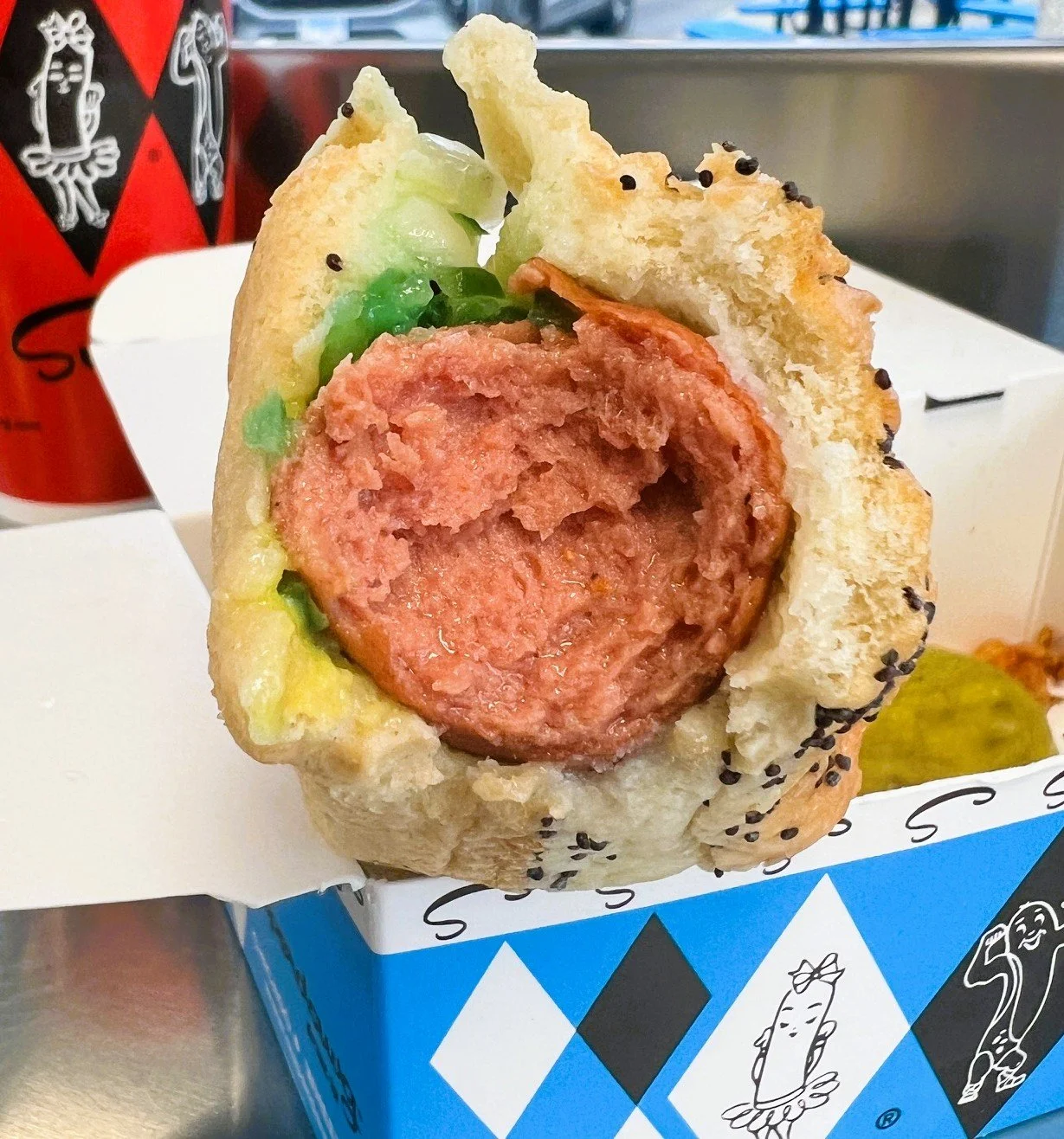
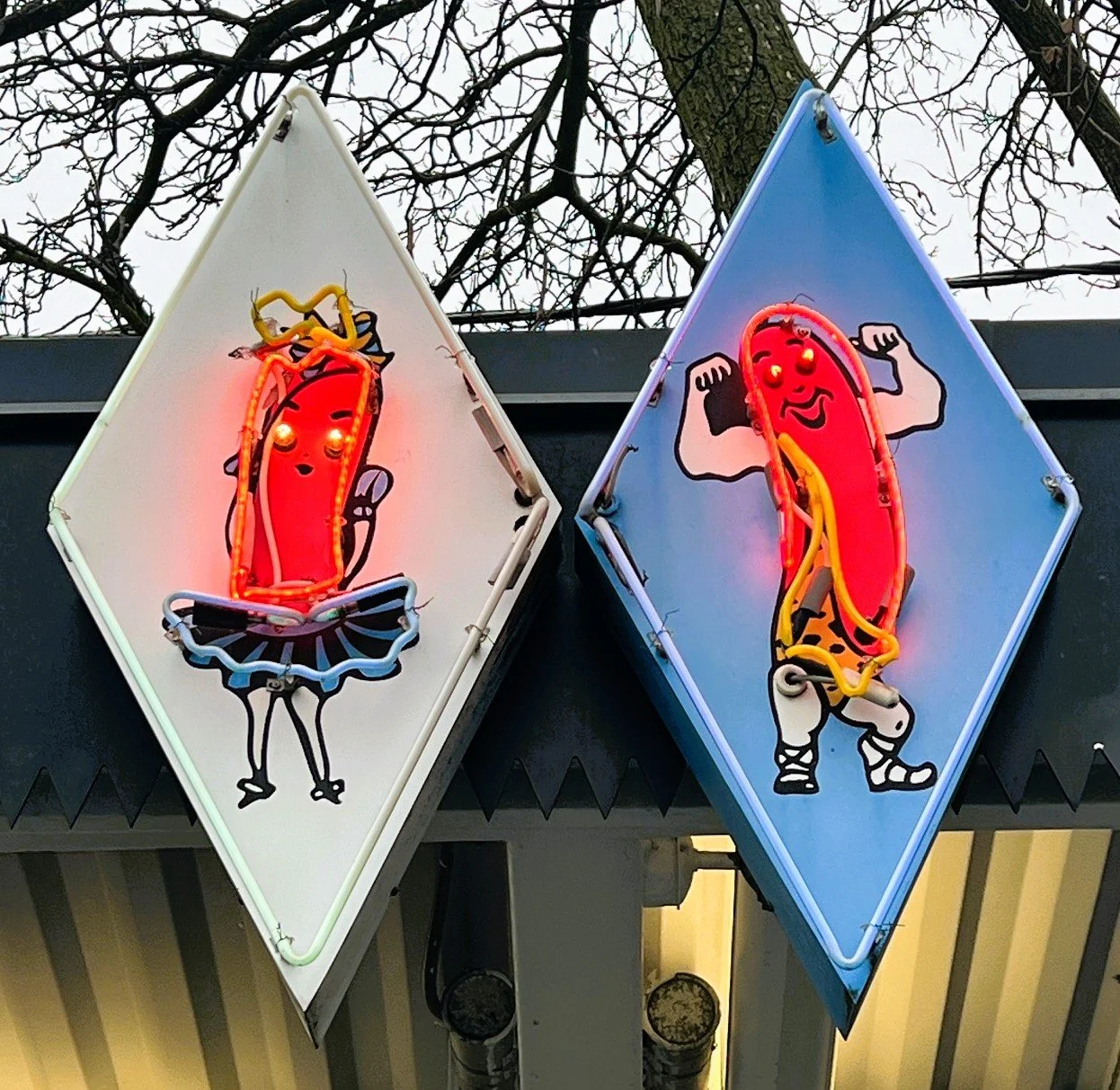
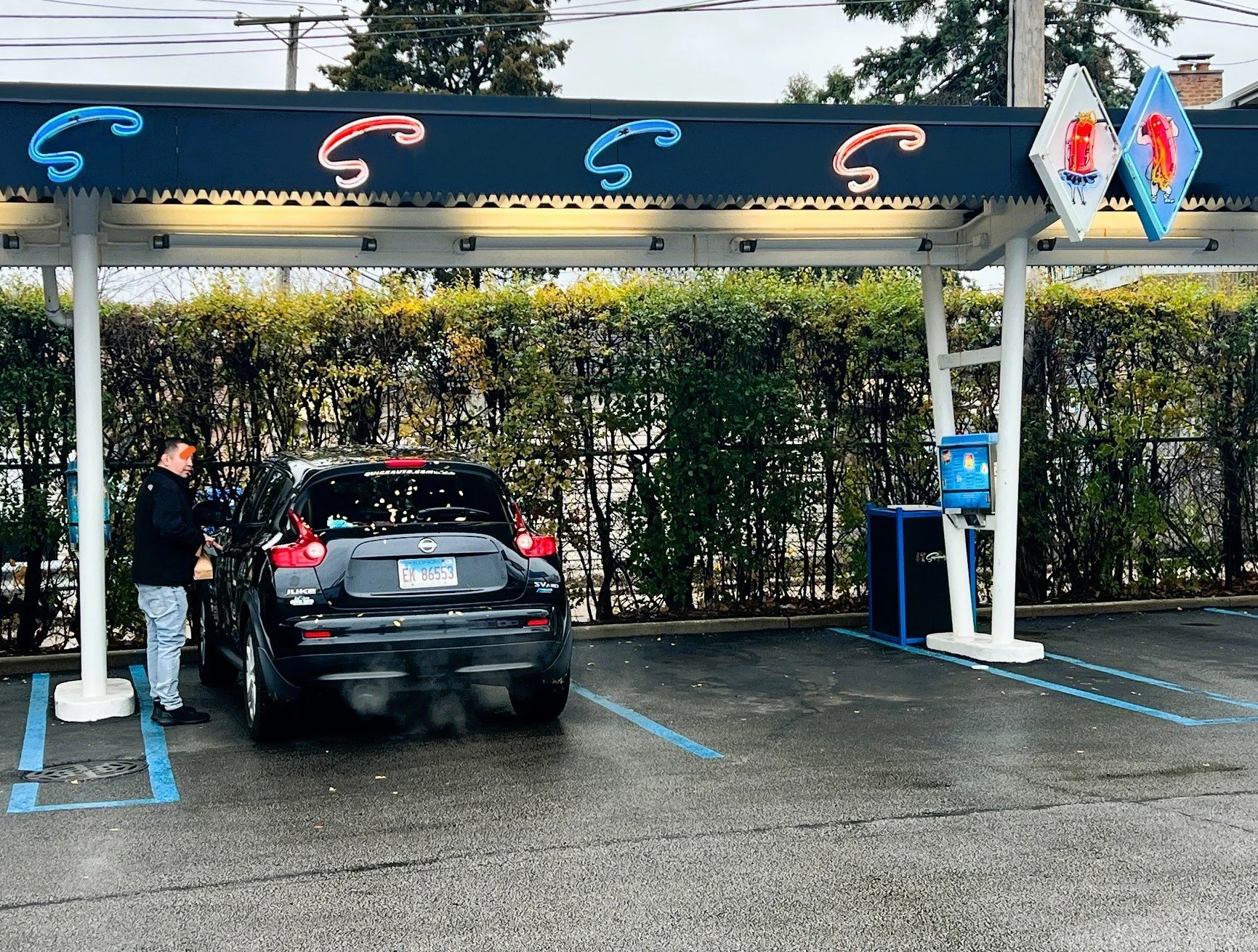
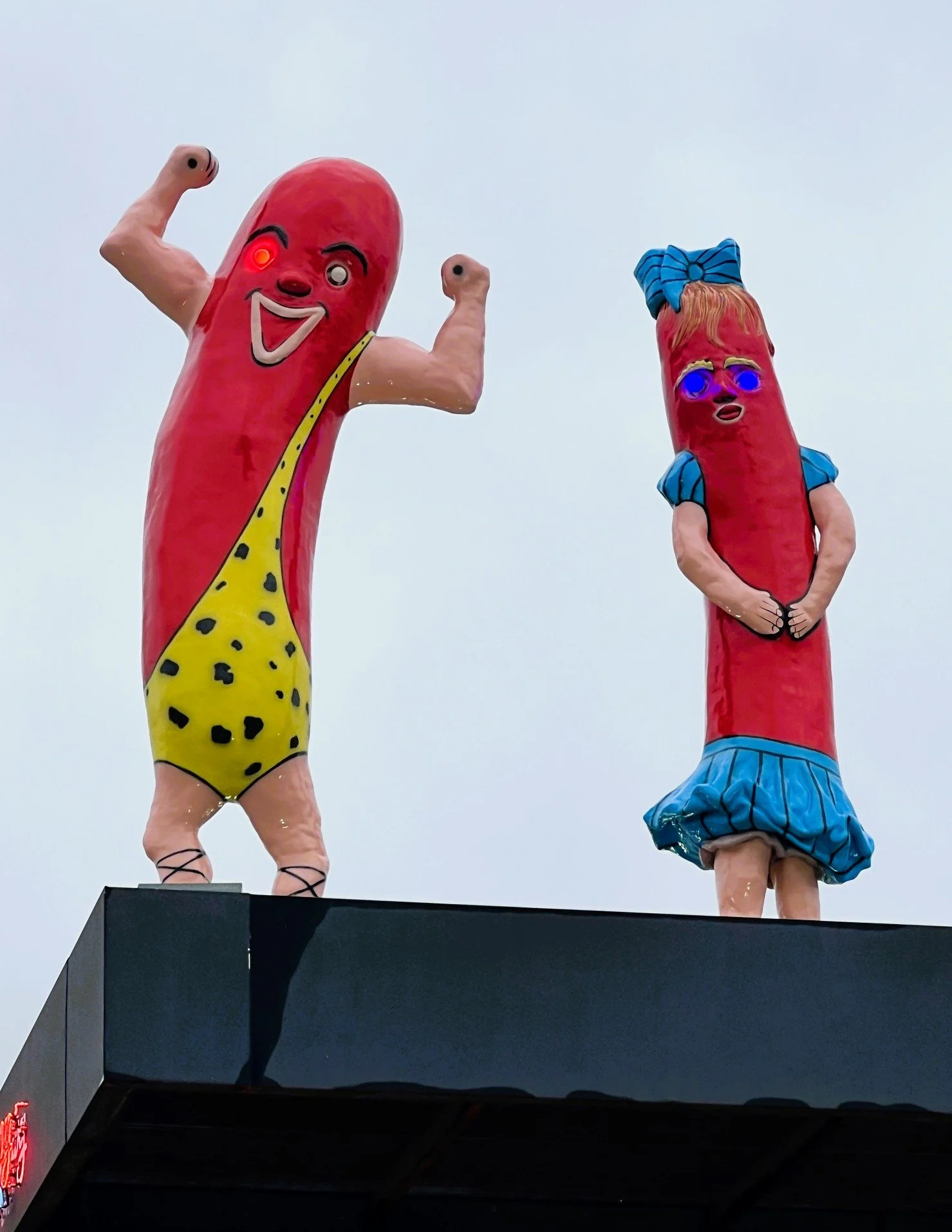
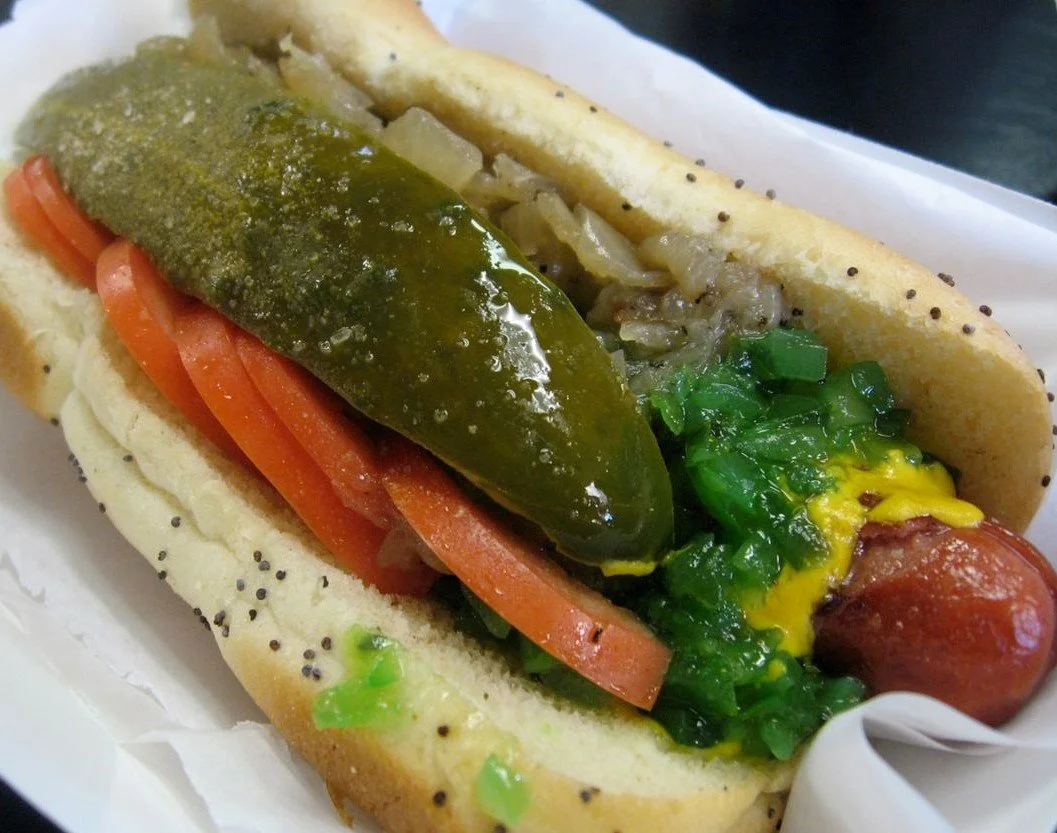
Photo Credit: Arnold Gatilao, WikimediaCommons