Jonathan C. Lewis
Choices
A fictional travelogue; three minute read.
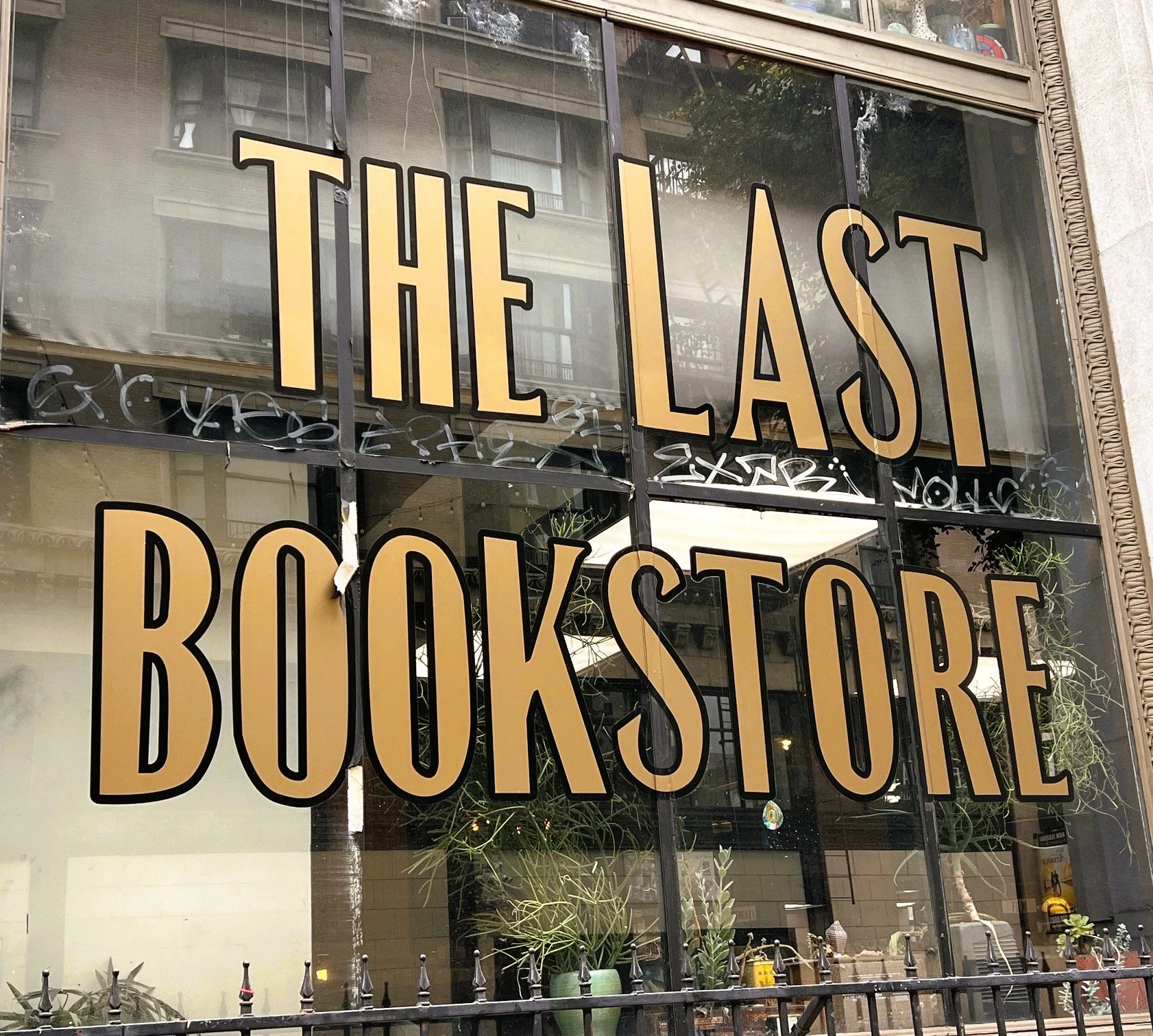
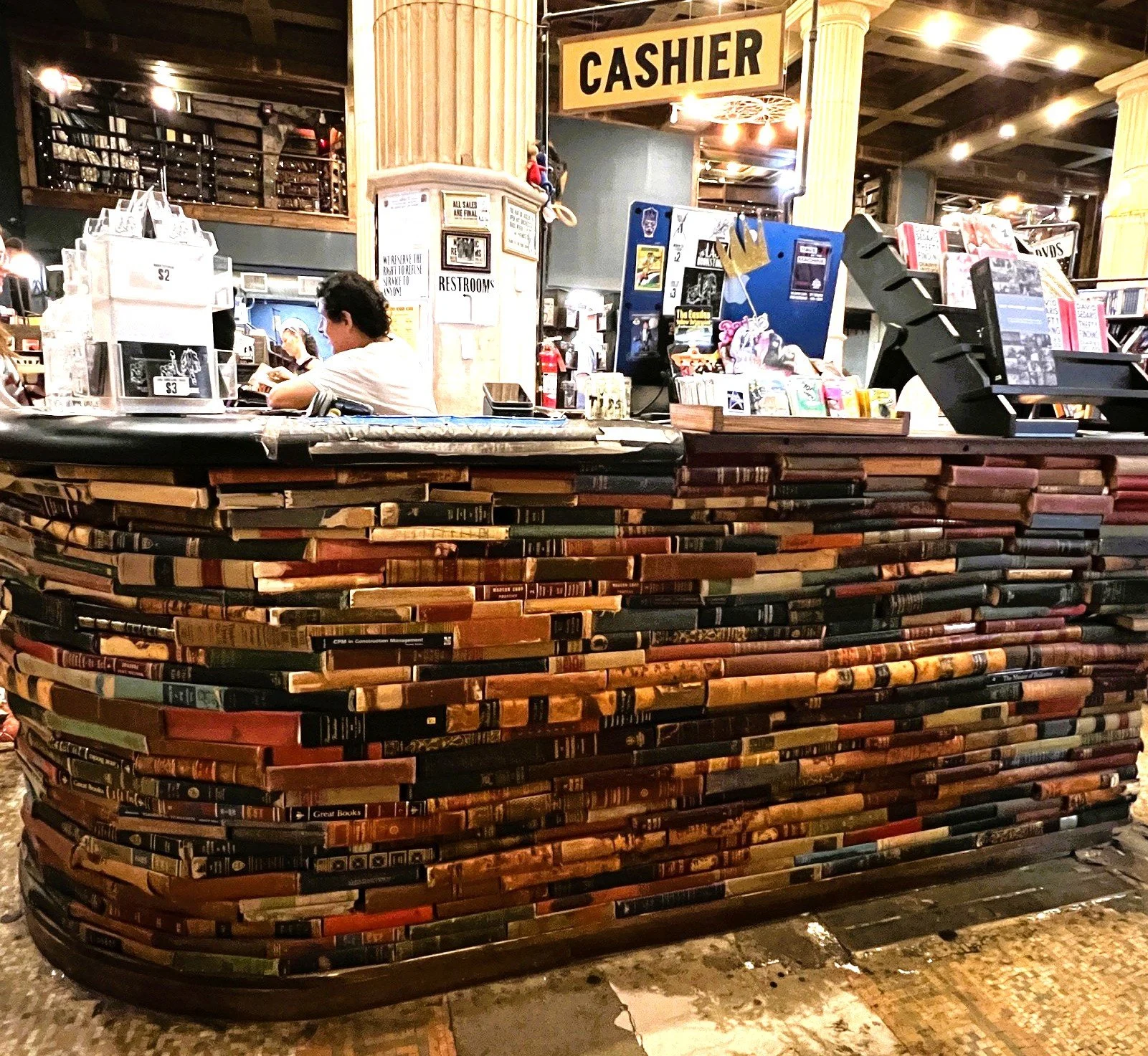
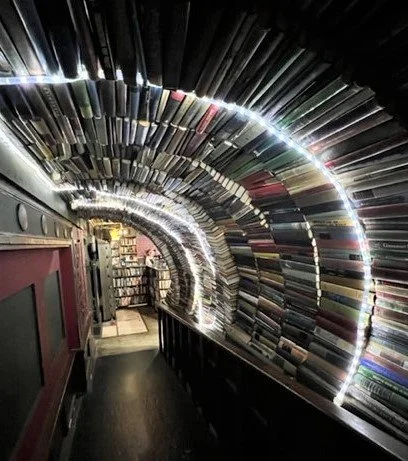
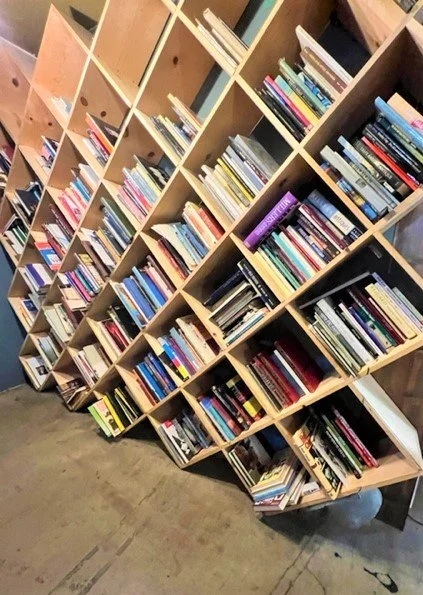
In downtown Los Angeles, I arrive at The Last Bookstore—brazenly misnamed. The store is a repurposed bank replete with a vault and colonnaded main floor. Its shelves hold 500,000 titles.
I love bookstores. The other day in the faculty lounge, I amused my colleagues by announcing that by the mere physical act of hanging out in a bookstore or library I get smarter—entirely by osmosis. Everyone laughed, but secretly I think my Proximity Learning Theory works. History hasn’t yet proven me wrong.
At the information desk, a clerk tells me, “We have about 10,000 new and used history books, some days as many as 15,000.” I flash him a large grin. I teach high school history.
A smiling young woman taking a selfie and wearing a black and white polka dot skirt and a canary yellow sweater perches like a colorful bird next to the walk-thru ‘tunnel of books.’ A young couple holding hands picks their way through the romantic fiction section. Looking like a tweedy professor on his day off, I’m dazed by my choices—thousands of hours of escape.
Truth is, I should never go near another bookstore. In every room of my house, towers of unread books teeter and totter. Any day now, my credit card will be recalled for biblio abuse.
Late at night is my only choice for reading. Between teaching school, parenting my two kids, taking out the garbage and paying bills plus weekend volunteering at the soup kitchen, I feel like an overdue library book—out of time.
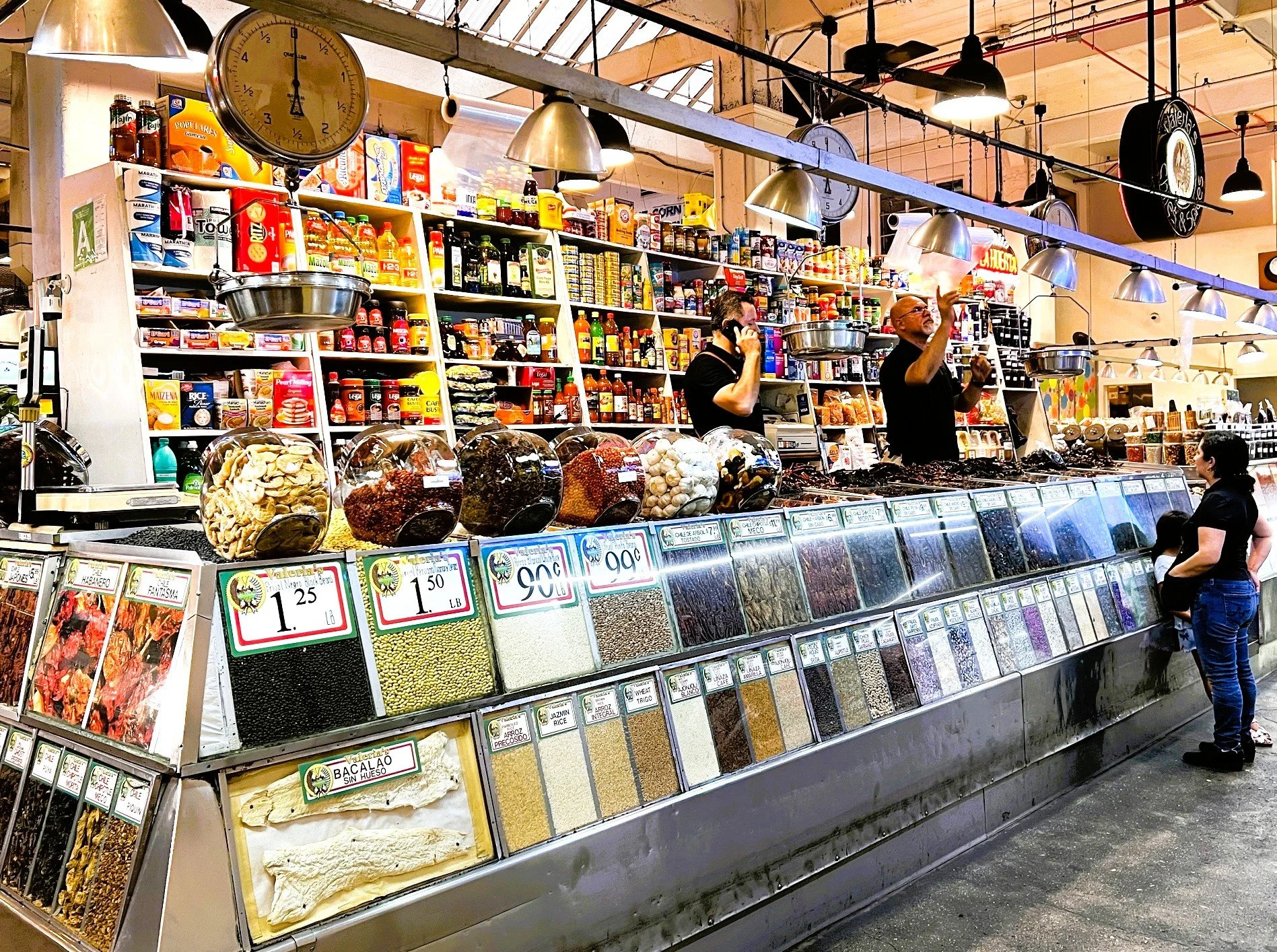
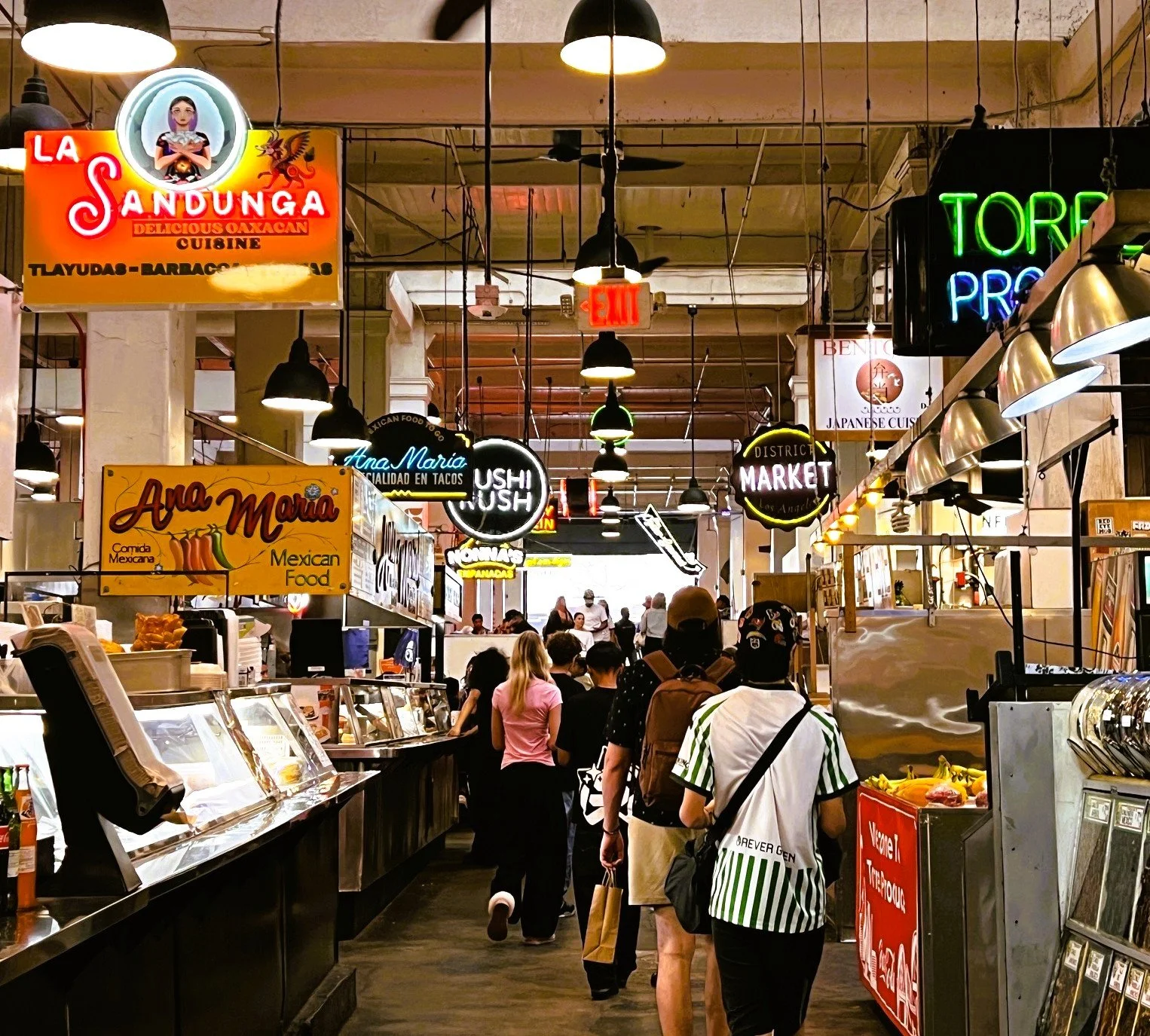
Book browsing makes me hungry. Around the corner from The Last Bookstore—in the midst of antique buildings in various stages of disrepair and repair, used furniture stores and graffiti-painted walls—is the Grand Central Market. Founded in 1917, it’s an emporium of food stalls, mini-diners, global cuisines, meals to go.
To get there, I pass through a maze of misery. On the gritty sidewalks, bodies are passed out on cardboard beds, old men under ratty blankets huddle in doorways, women wear rags. It’s as if in this district of the city the Great Depression never ended.
As I walk quickly, eyes forward, a faint voice begs, “Please feed me.”
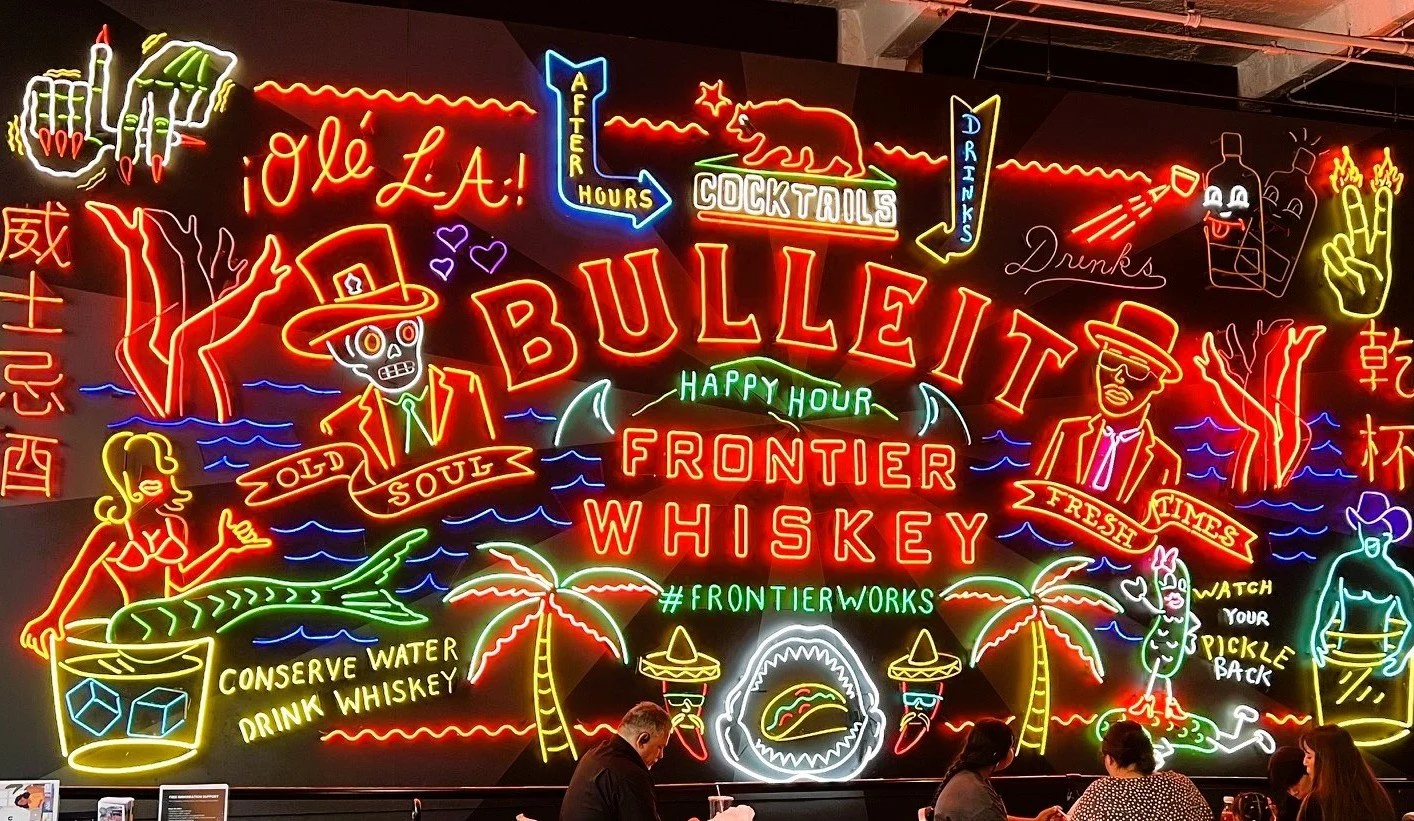
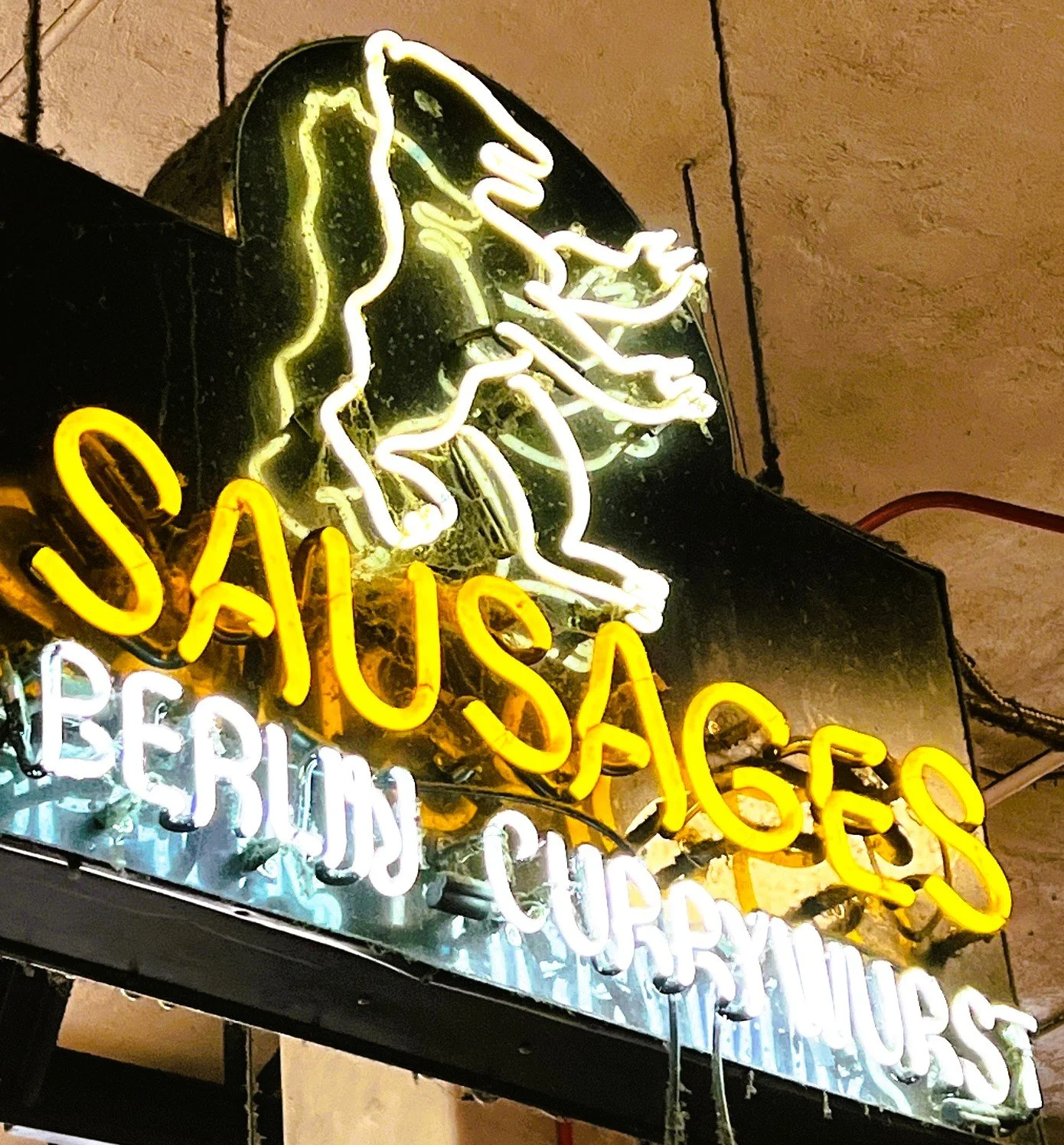
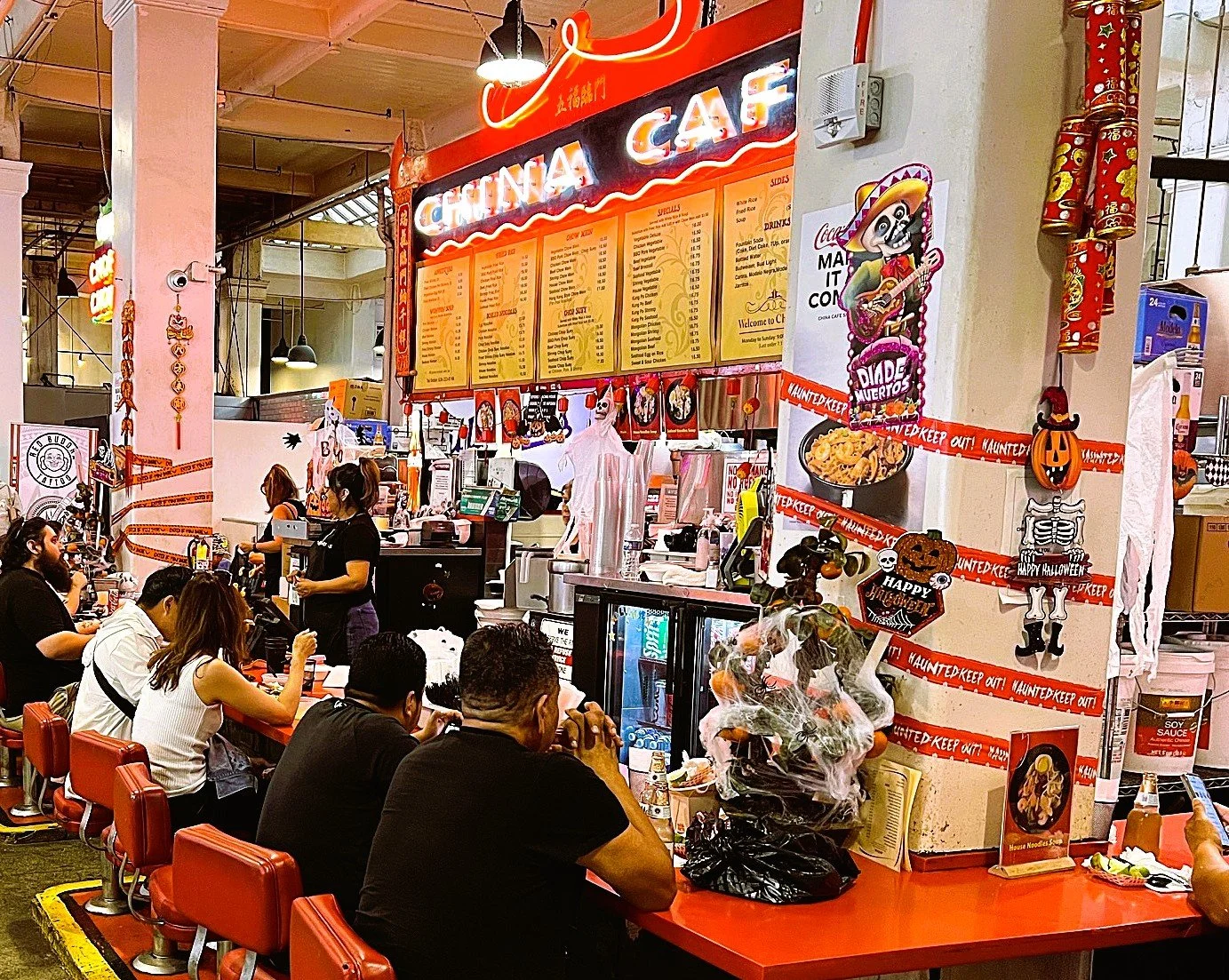
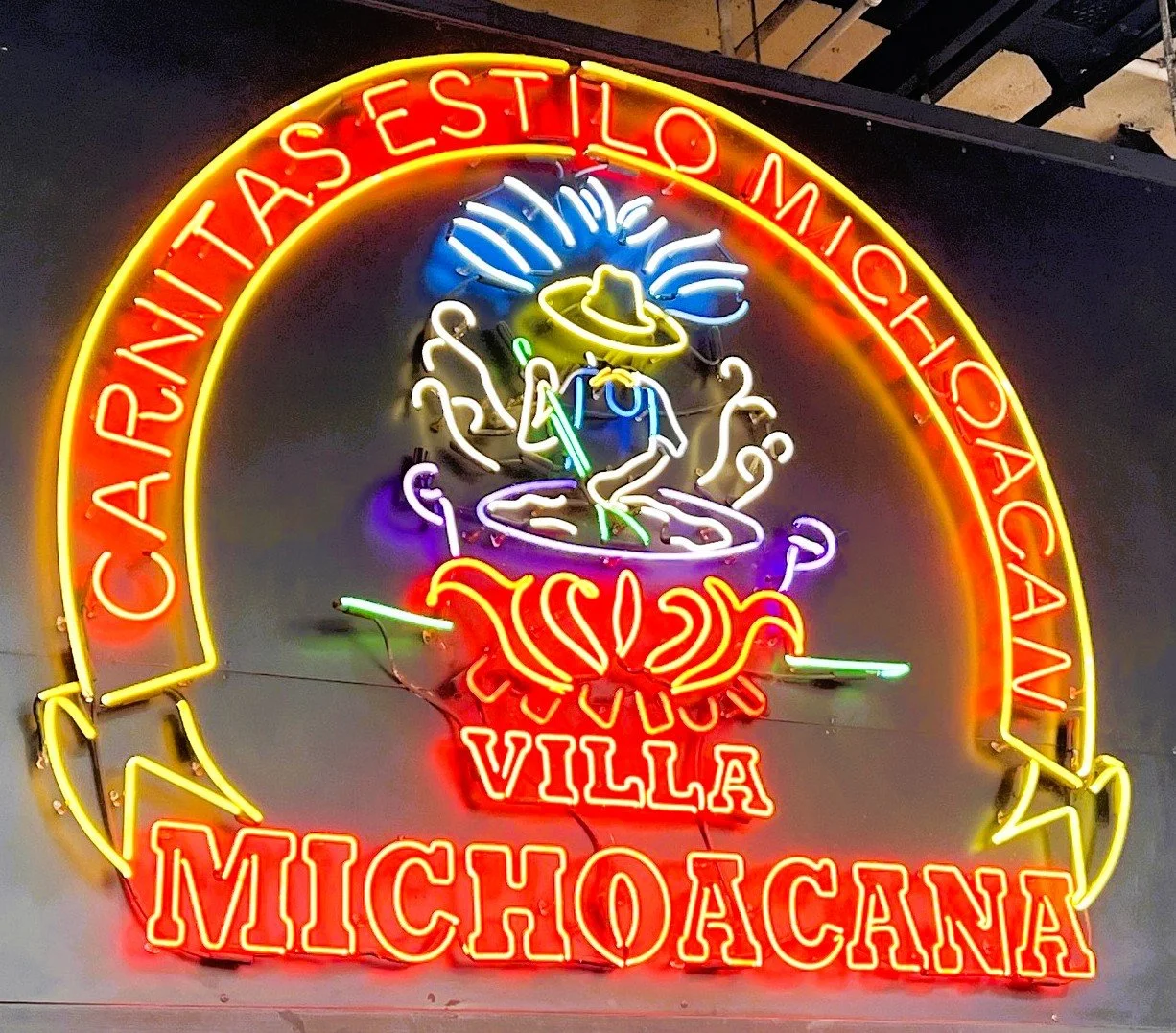
Inside the market, I swoon to the thrum of people placing orders, workers ladling food, bubbling drink machines, grills sizzling. Aromas from China, Mexico and the Middle East crowd into the busy aisles. Everywhere, there’s neon signage in primary colors.
The raucous commotion is like the organized chaos between classes at my high school. At lunchtime in the school cafeteria, the menu is chicken, pasta or vegetarian. For dessert, a brownie or nothing. Here, there’s a bulging buffet of options.
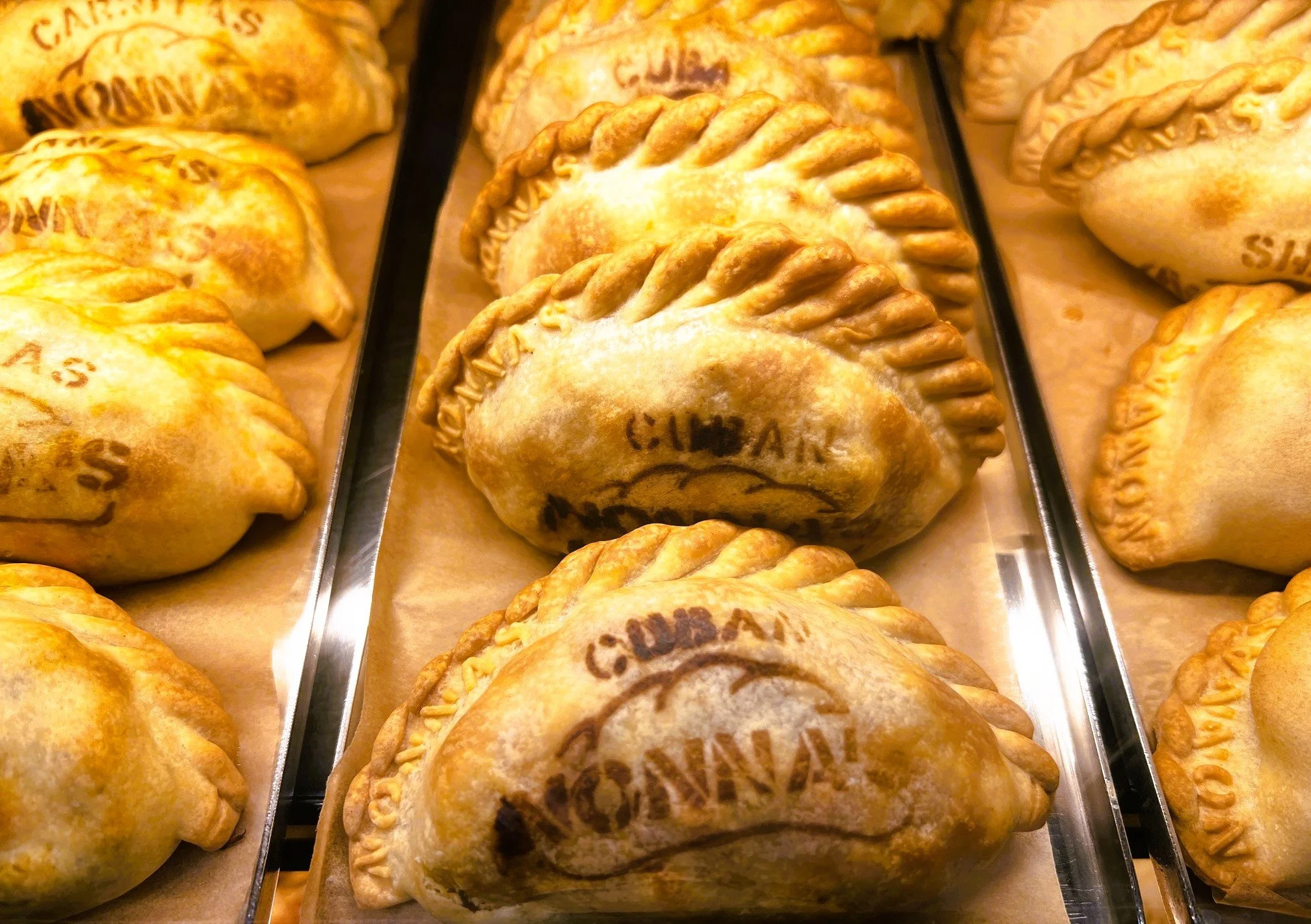
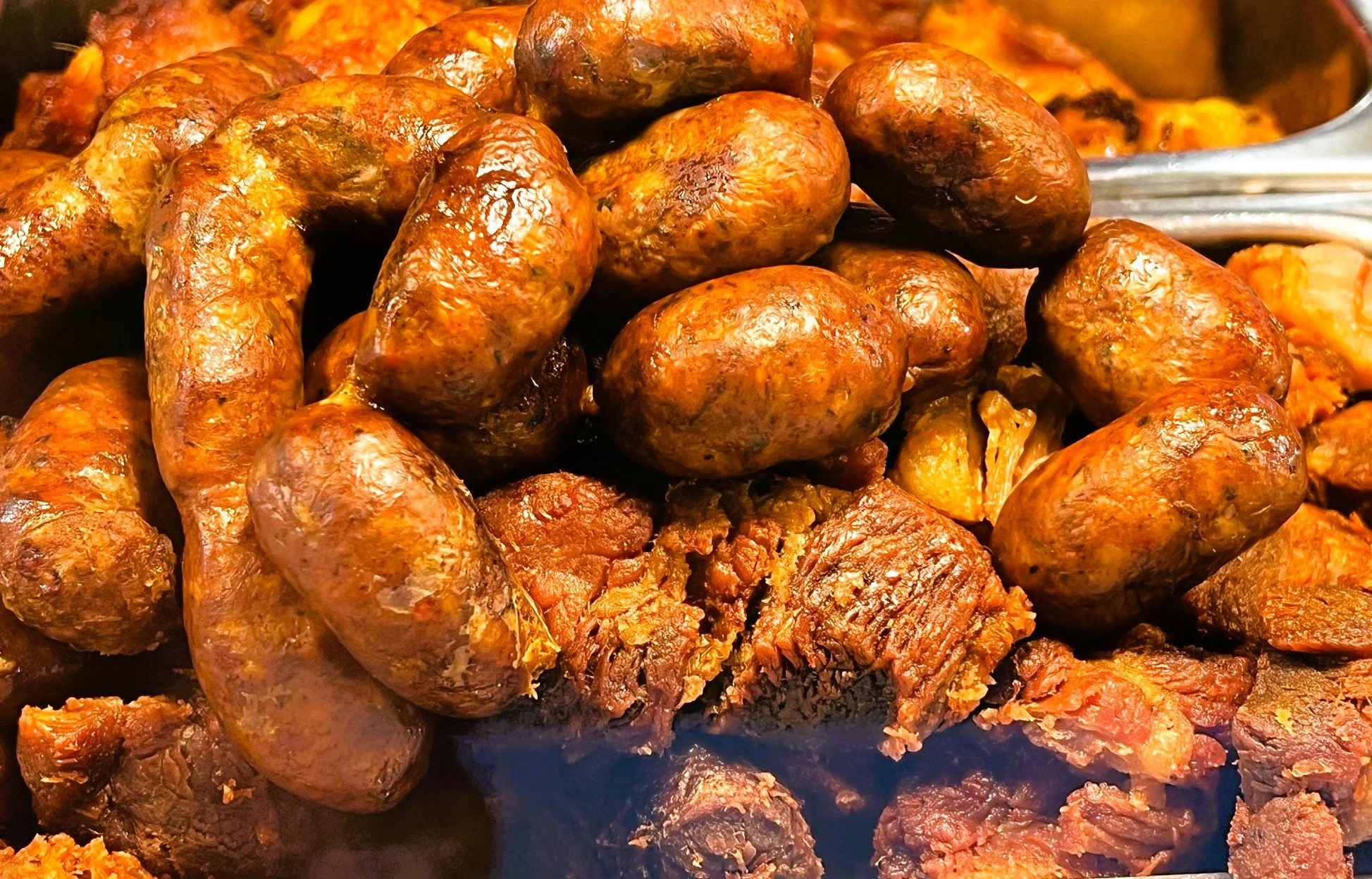
I order an extra-large carnitas burrito, drippy and floppy, and a cold beer on tap. I could have chosen lox and bagels. Or a bento box. Or currywurst. Or barbecue. Or fresh pasta. Or fried chicken. Or ramen. Or briny oysters.
Squeezing onto a stool at an open counter spot, I unwrap my burrito, take a sip of beer and open my new book: The History of Human Nourishment. Before my first bite, the opening line of the preface dries out my mouth.
“Since the beginning of recorded history, the fed and the unfed have eaten from unequal pantries.”