Jonathan C. Lewis
Cloth, Credit and Clerics
A fictional travelogue; three minute read.
Last semester, without being asked, I told the high school principal that I love my teaching job. To colleagues, I’ve admitted reading biographies and watching the History Channel. Serving as the faculty advisor for the school’s history club is my hobby.
As I promise my students, knowing the past is their only shot at shaping the future. I might even be right.
What I really like about teaching (but haven’t told anyone) is that within the four walls of my classroom, when a teacher says the wrong thing, the wrong thing becomes the smart thing. For a few hours a day, I have unquestioned power to share my ignorance.
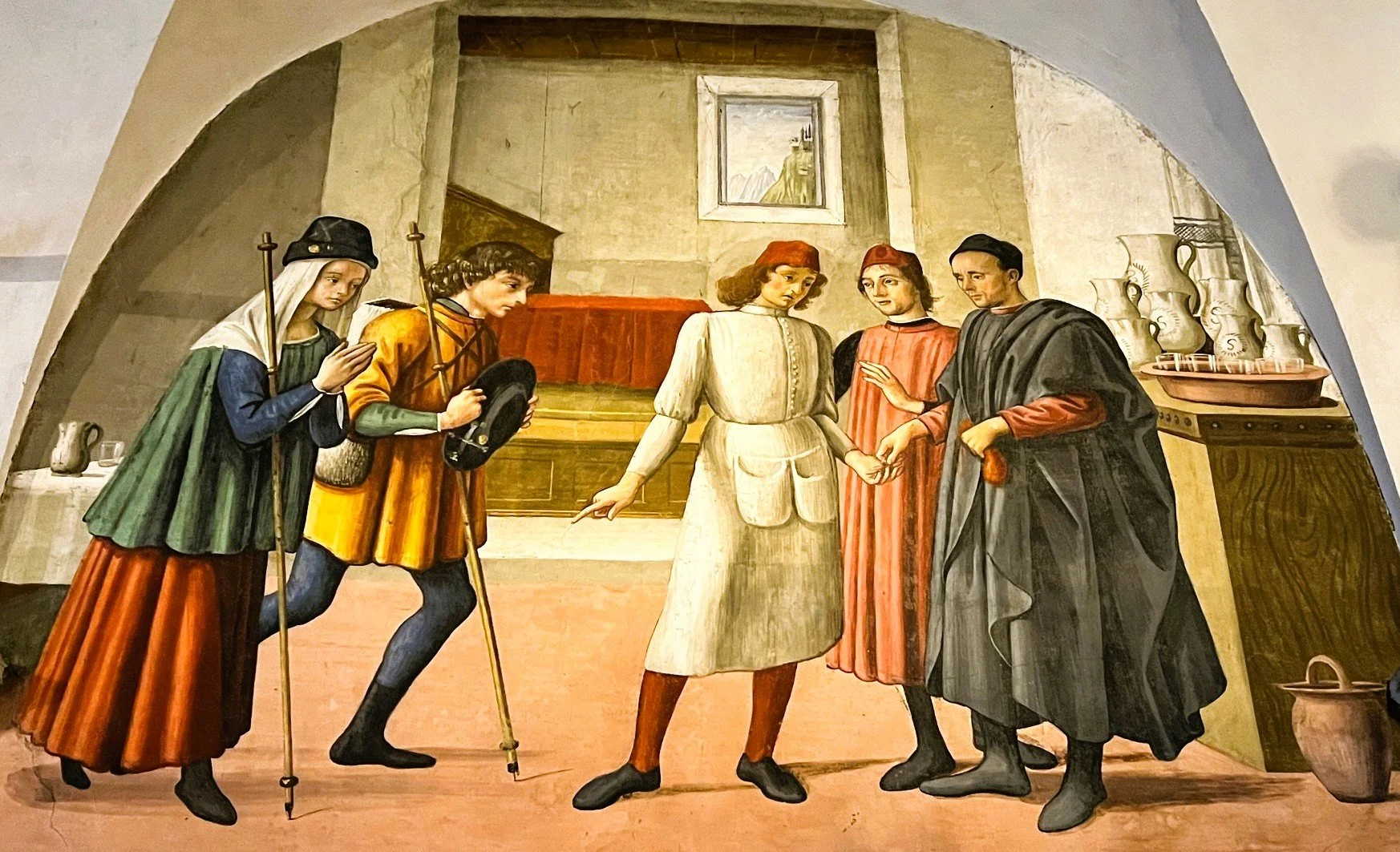
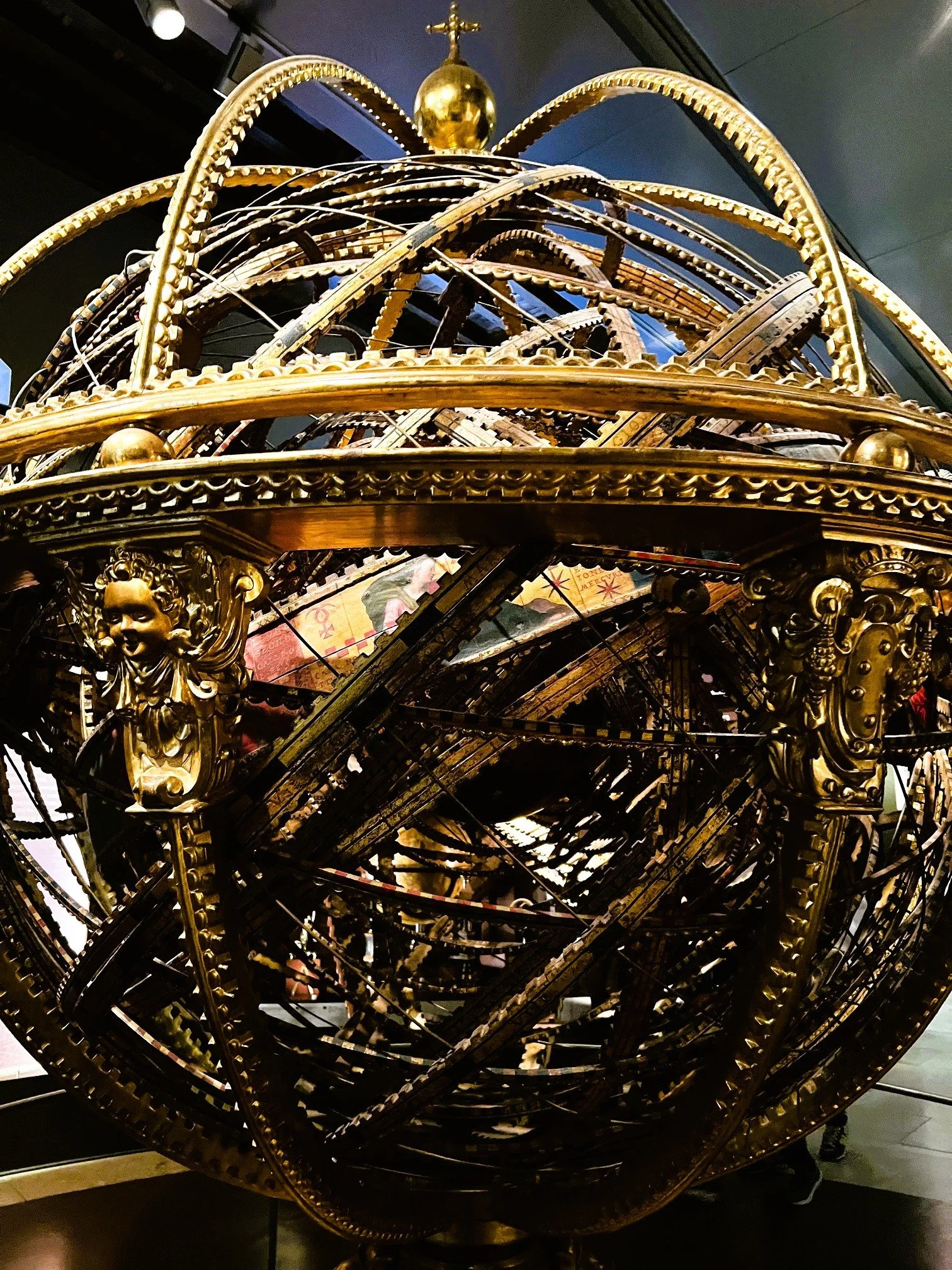
While I’m on holiday here in Florence, I want to collect a few tidbits from the Renaissance—lecture points my students might find intriguing. For that matter, things to keep me interested.
My classes already teach that in the 14th century, Florence became an industrial powerhouse by importing English raw wool to manufacture clothing. One out of three workers were employed making tunics, men's leggings, jackets, gowns. By the 15th century, the Medici family was converting textile profits into the even more profitable banking business. At high interest rates Florentine bankers lent large sums to the cardinals in Rome.
What made all this possible, though I never mention it in class, was that a Florentine friar invented double-entry bookkeeping. I skip it because I don't understand it myself. Let them learn about financial tools from someone in the math department.
There’s so much I’ll never know. Did the people of Florence adore their pet dogs or keep them merely to chase away intruders? Did Florentine residents smell sweet or sour? Did they play team sports with their neighbors? What made them tremble from fear or love?
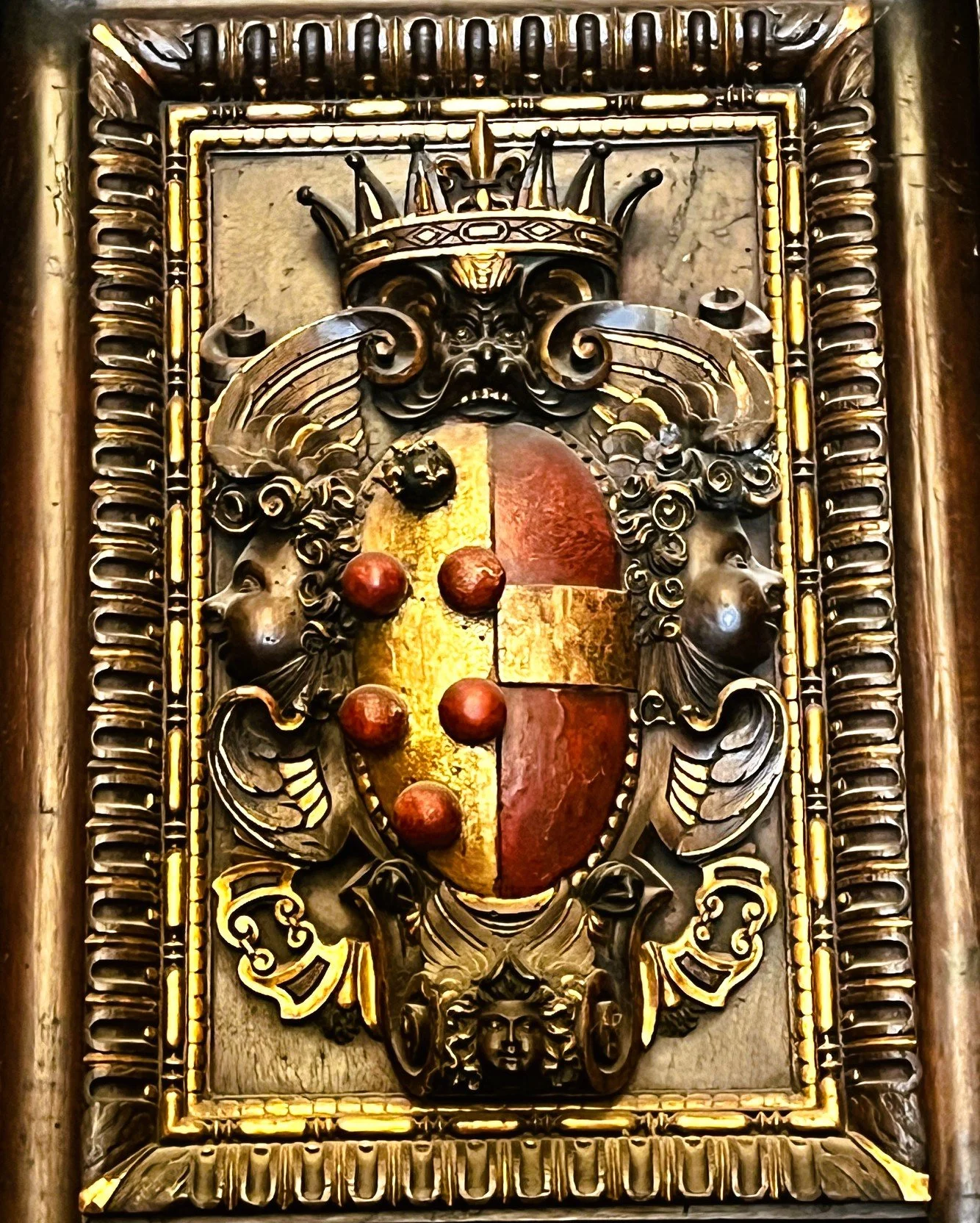
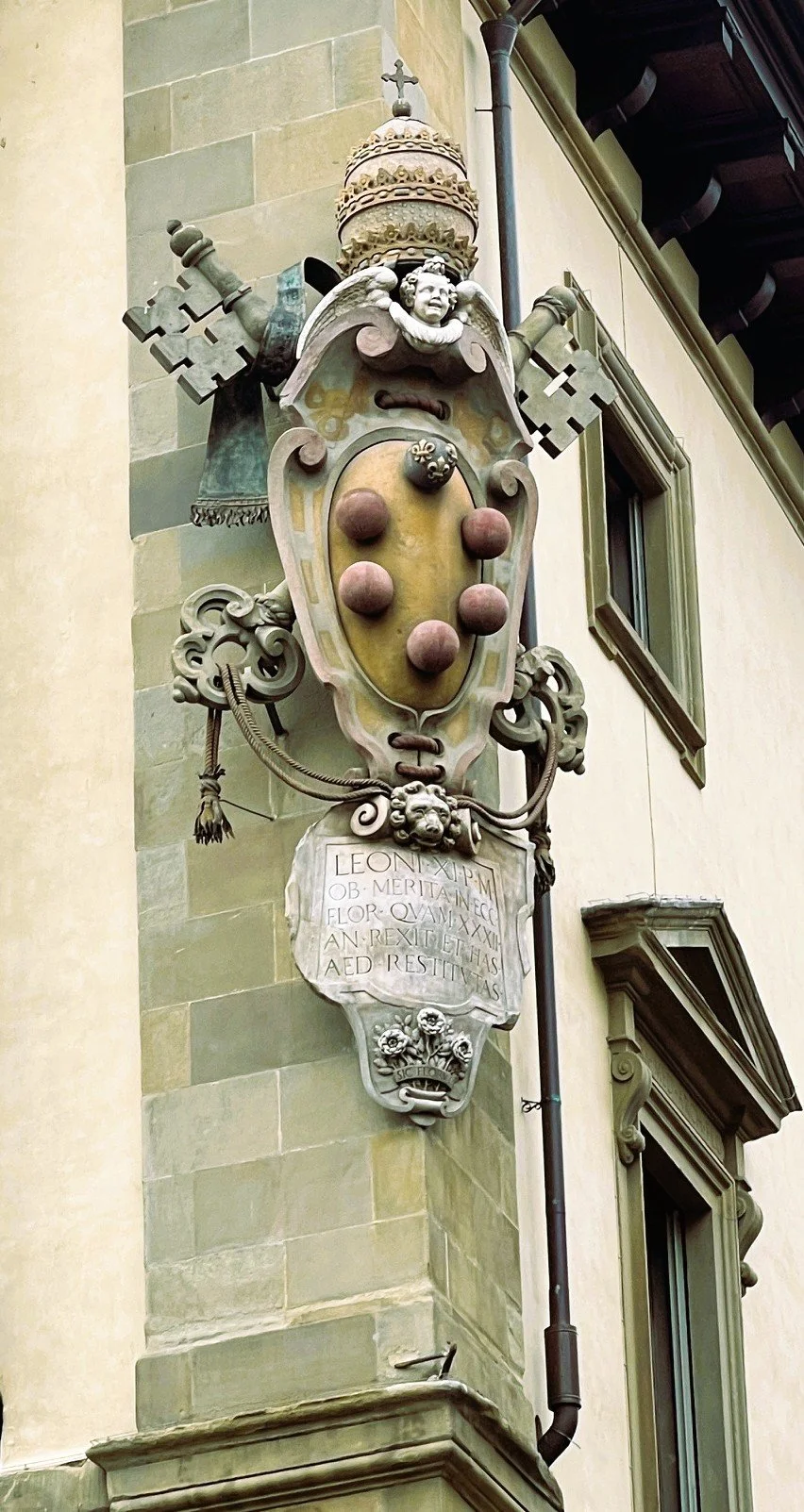
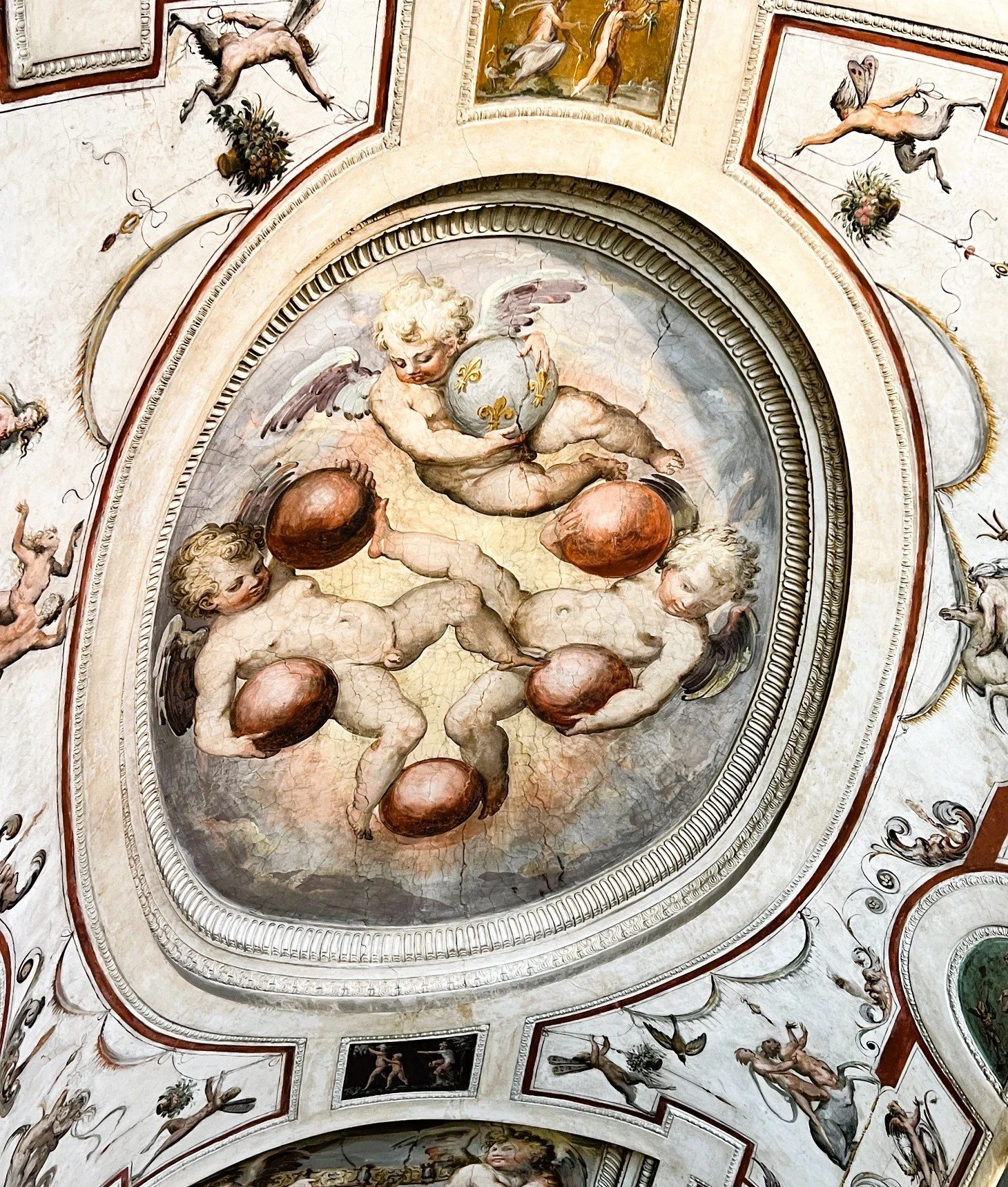
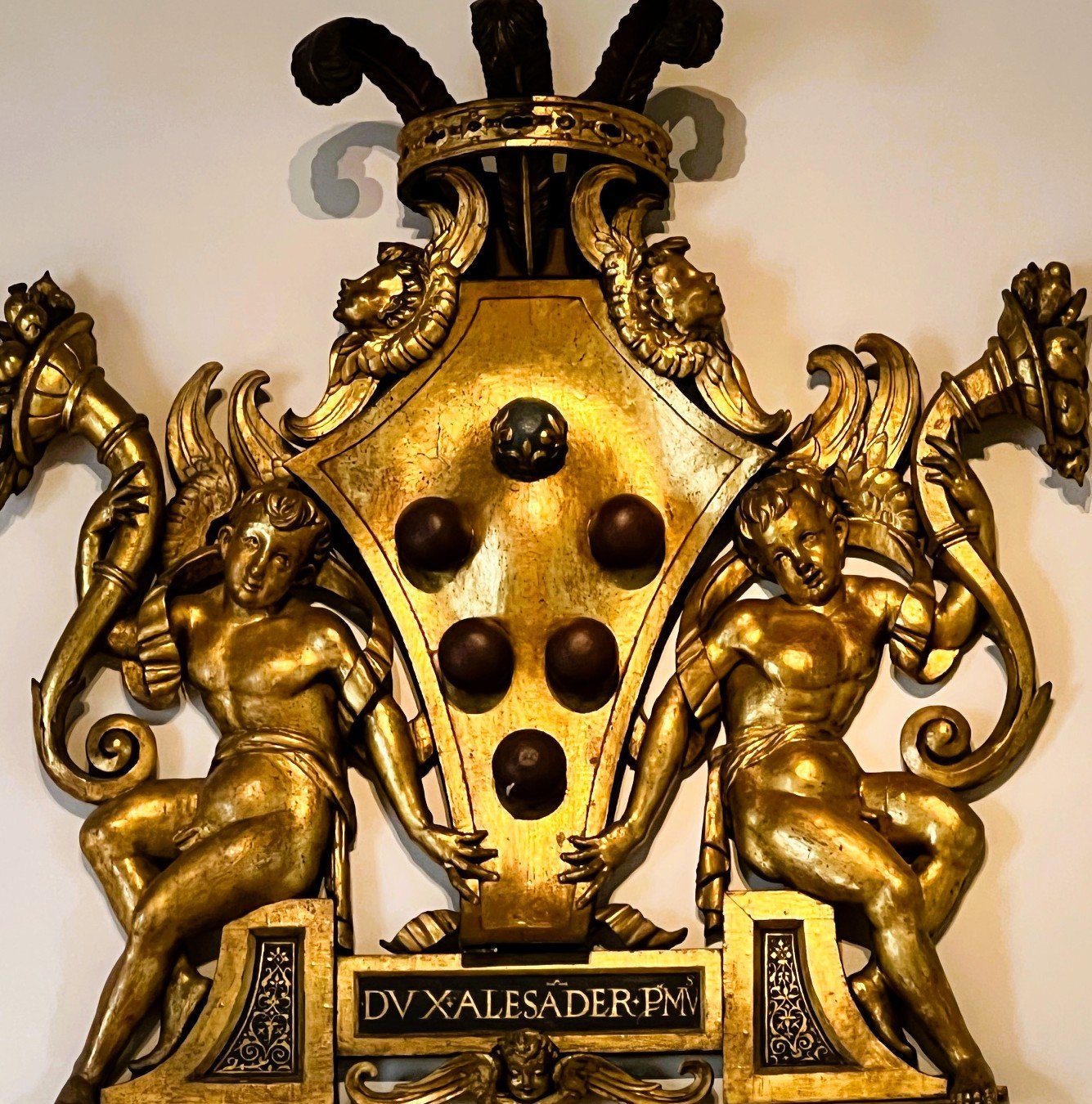
From sightseeing around Florence, it seems evident the Medici family governed like drug lords. With Trump-like insecurity, they plastered their coat-of-arms everywhere; five red balls and one blue one on a field of gold advertised their wealth and power.
The Medici bank was the most sophisticated financial and political network in all Europe. The florin, minted in Florence, was the central European currency.
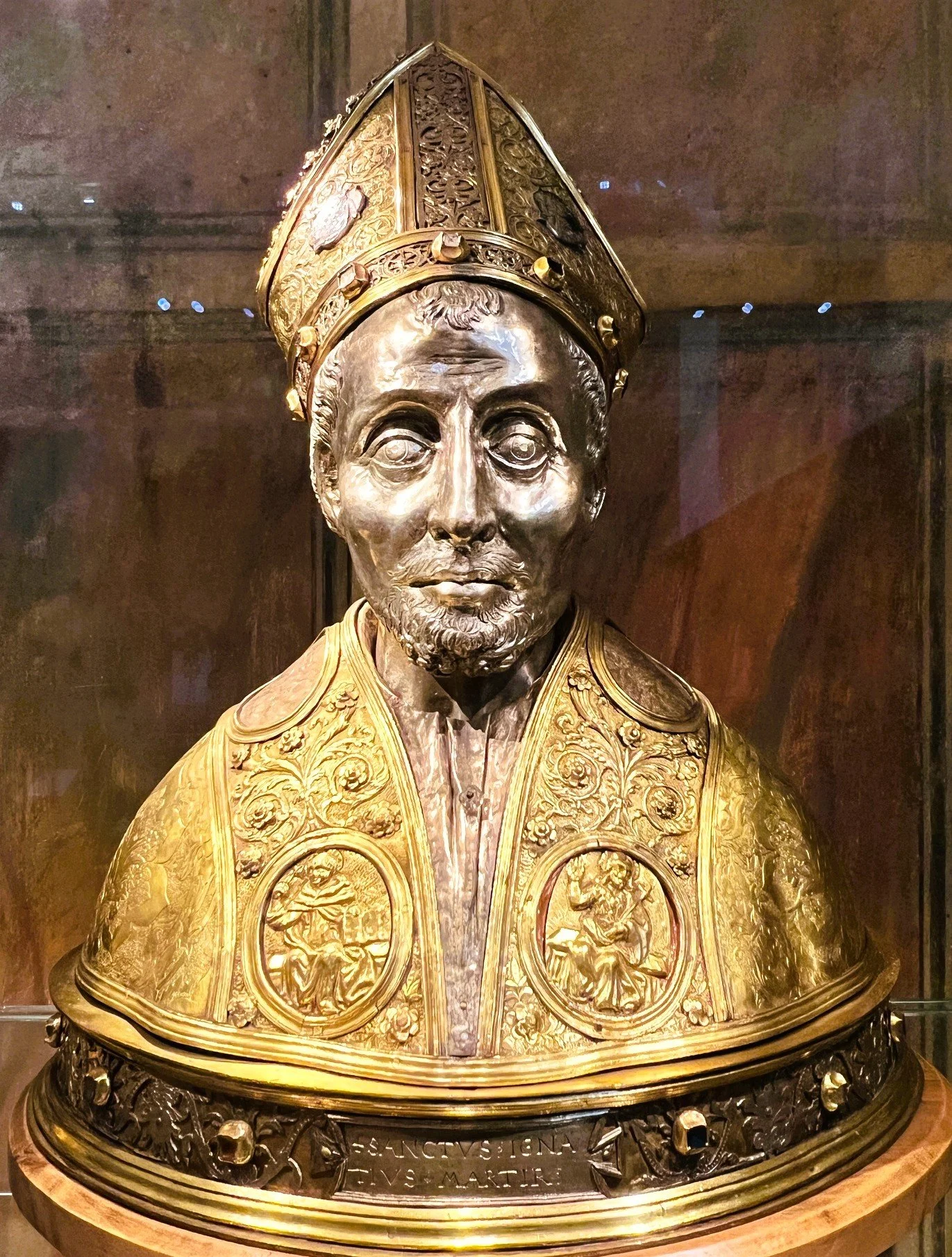
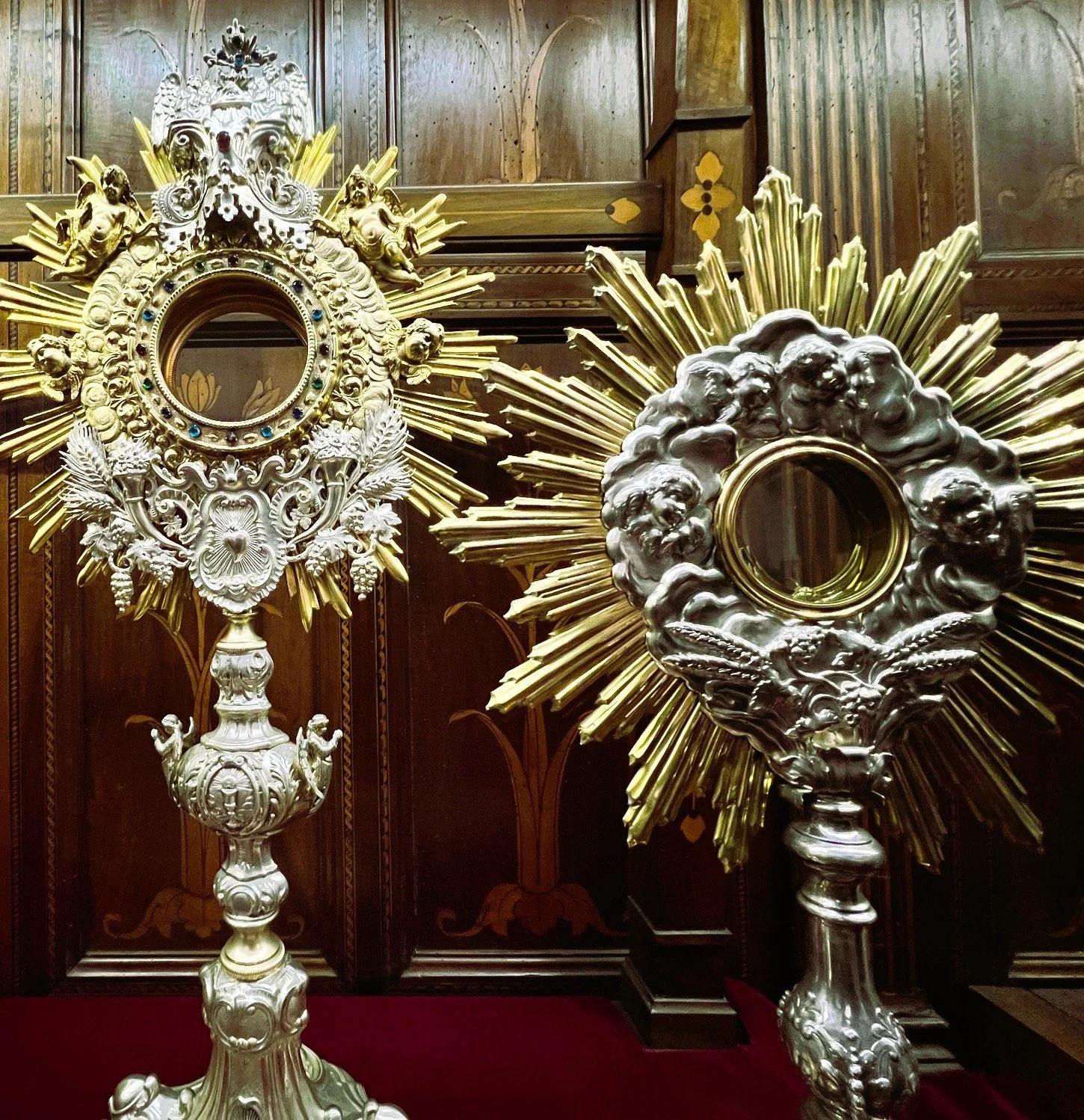
As bankers whose bibles did not say very good things about money-changers, the Medicis feared going to hell. Seeking priestly absolution, salvation and redemption, they financed massive church projects and great artworks. I’ll never find out if their priest-blessed bribes worked.
In the salons of the affluent and the influential, the Renaissance fostered a spirit of curiosity and scientific inquiry, a love of beauty and artistry, a study of classical humanism. Meanwhile, slaves were used to maintain households and sexually exploited young girls were everywhere. In class, I’ll make the case that the Epstein files are another example of history repeating itself.
For a civics homework assignment, I’m going to make my students—full of passionate idealism--compare the Medicis and American Scrooges like Larry Ellison and Elon Musk. I can already hear my principal’s reprimand, “Stick to the textbook. Stop provoking parental blowback.” And the retort I’ve used many times, “But, Sir, respectfully, I’m trying to make the Renaissance relevant to the students.”
I wonder if Michelangelo or Machiavelli ever had flop sweat.
I’ll never know.