Jonathan C. Lewis
Dollars to Dinars
A fictional travelogue; three minute read.
At the local cleaners, Emna—as her name tag reads—is retrieving my laundry. She’s warmly dressed in a red Harvard sweatshirt. I ask her about it.
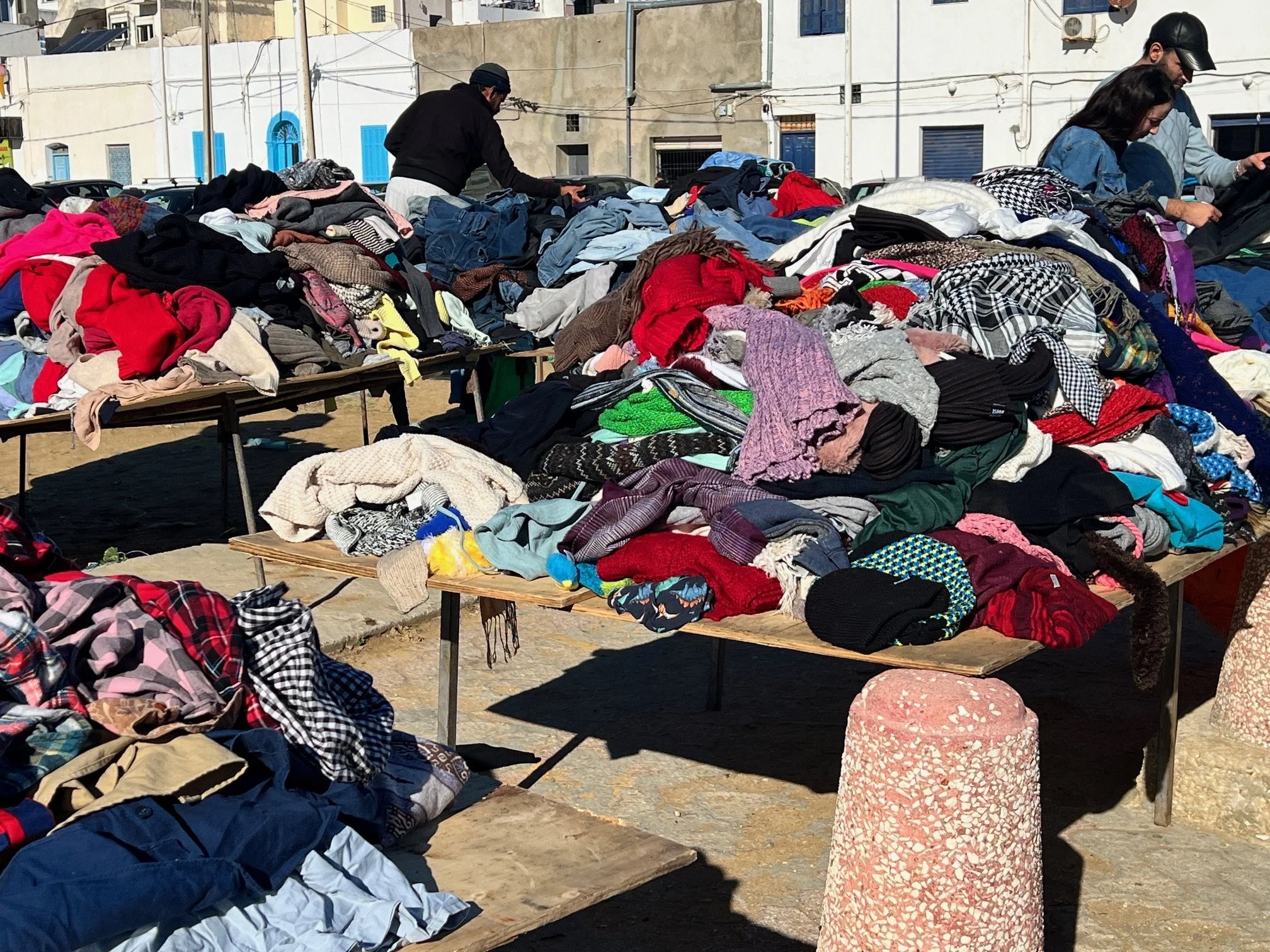
Beaming, she says, “I go to the fripe to look for bargains. Sometimes also my girlfriends we find classic clothes.” I think she means vintage.
Fripes in Tunisia (from the French “friperie” meaning secondhand store) sell old clothes at popup locations—outdoor markets, empty lots, roadway shoulders. It’s a popular recreation for women at all income levels. The clothes start their journey when I donate my worn-out, but still wearable wardrobe to the local SPCA which bulk sells my used clothes to exporters—a global supply chain.
My travel journal is filling up with case studies about globalization. I need ammunition to combat the virtue signaling of my high school students who balk at Starbucks, Subway and McDonalds polluting local culinary customs—as they put it.
Last school year I was suspended without pay for using the Catholic Church as a globalization example. With my cheeks burning up, to no avail I told the school board that I never intended to imply the Church was a corporate enterprise, let alone rapacious one.
Founded in the Middle East in a manger, Catholicism has 1.3 billion customers served by over 560,000 local distributors: parishes, monasteries, abbeys, churches and cathedrals, schools, hospitals and social service agencies. Revenue is earned from real estate rents, government contracts, weekly dues (called donations), school tuitions, hospital fees, museum admissions. Maybe I fibbed, just a bit.
Carthage, today’s Tunis, became an economic powerhouse by controlling trade routes and exacting tariffs, tolls and tribute. It’s a good place to collect international buying and selling stories that will help my students “see” globalization in action.
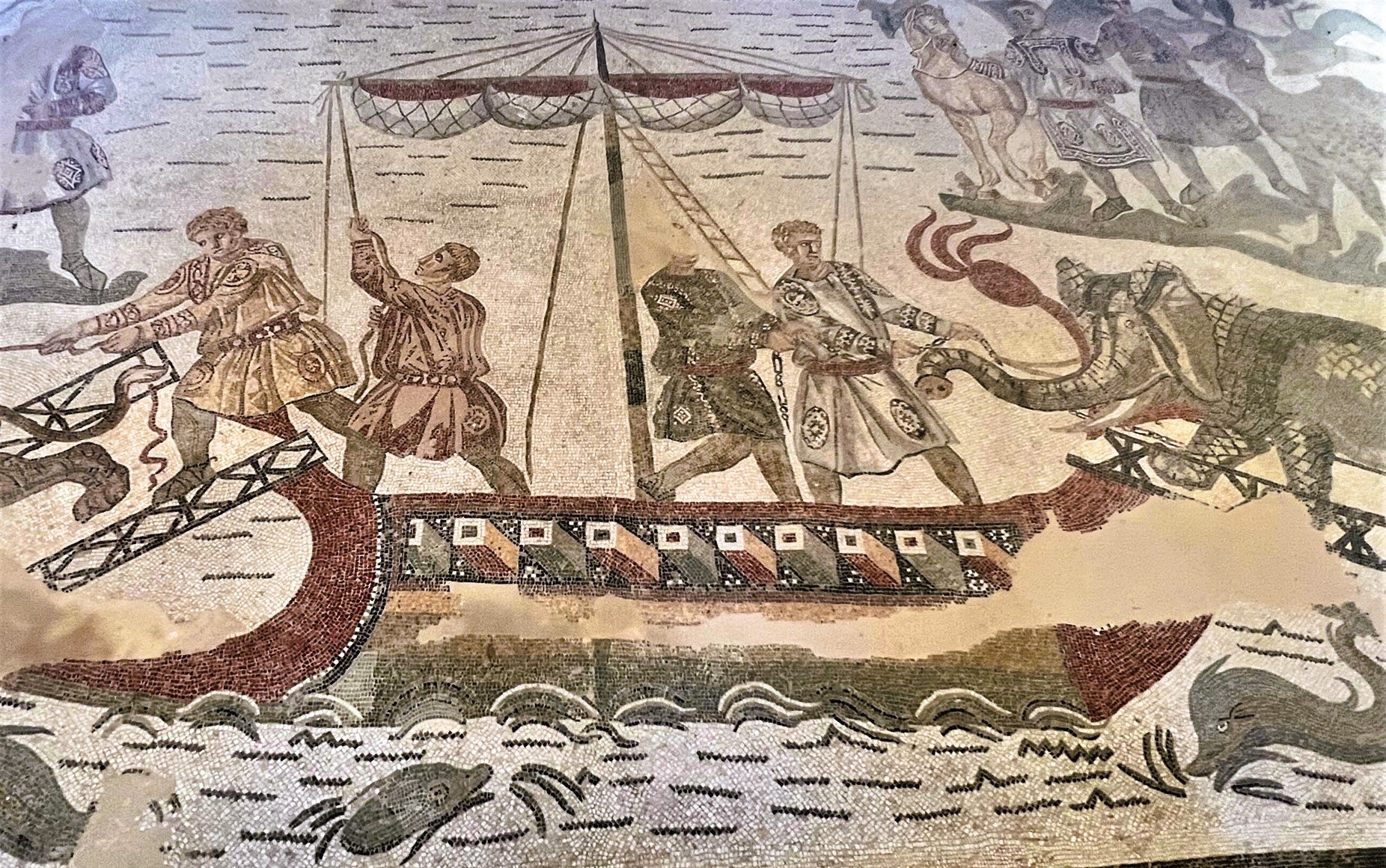
Before Henry Ford and IKEA, Carthaginian boat builders employed assembly line production methods using premade parts to construct massive triremes. From its 800-mile-long coastline, seafaring traders navigated the Mediterranean transporting textiles, pottery, timber, salted fish, ivory, bronze and silver, wine, olive oil, grains, wild animals and slaves.
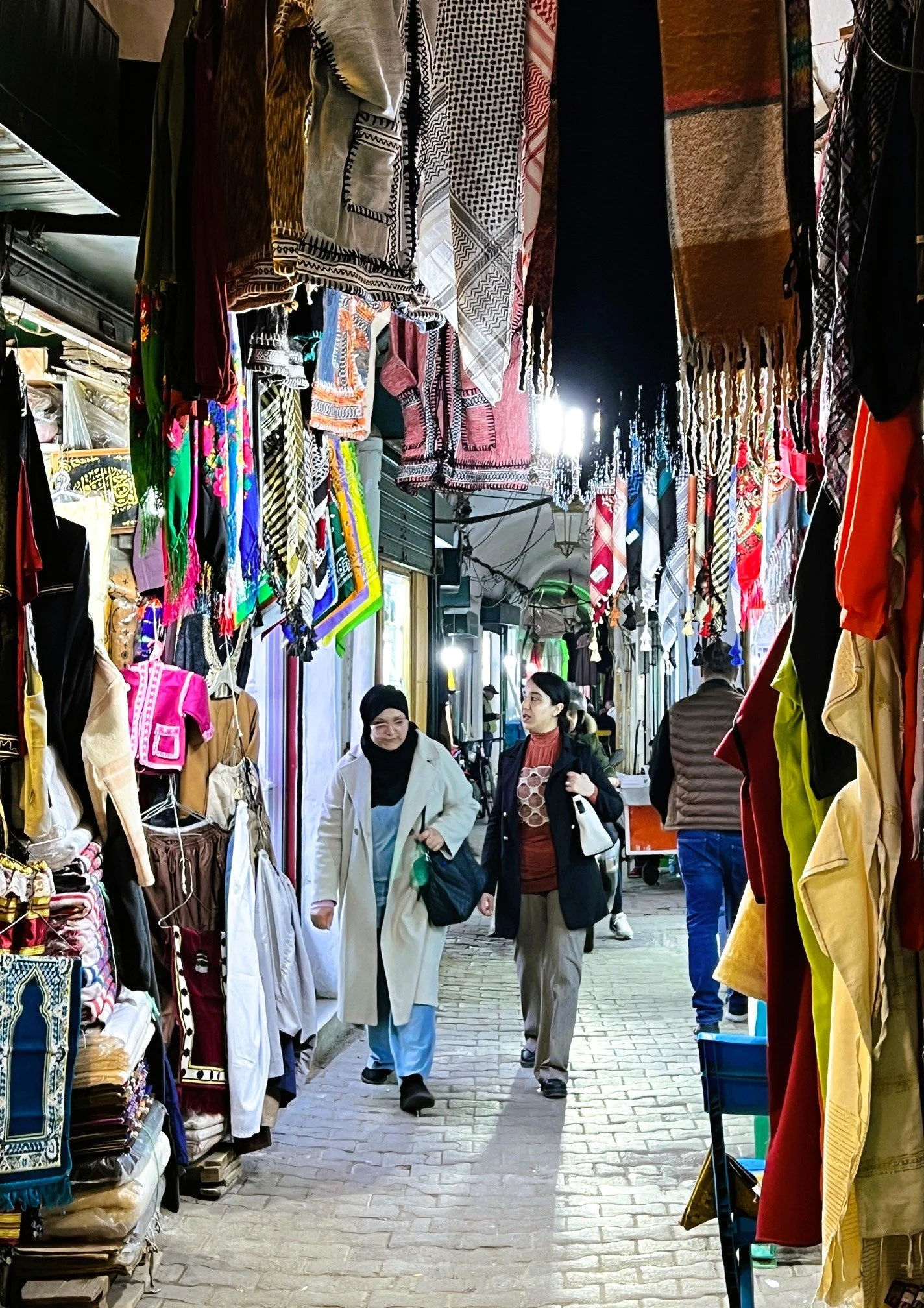
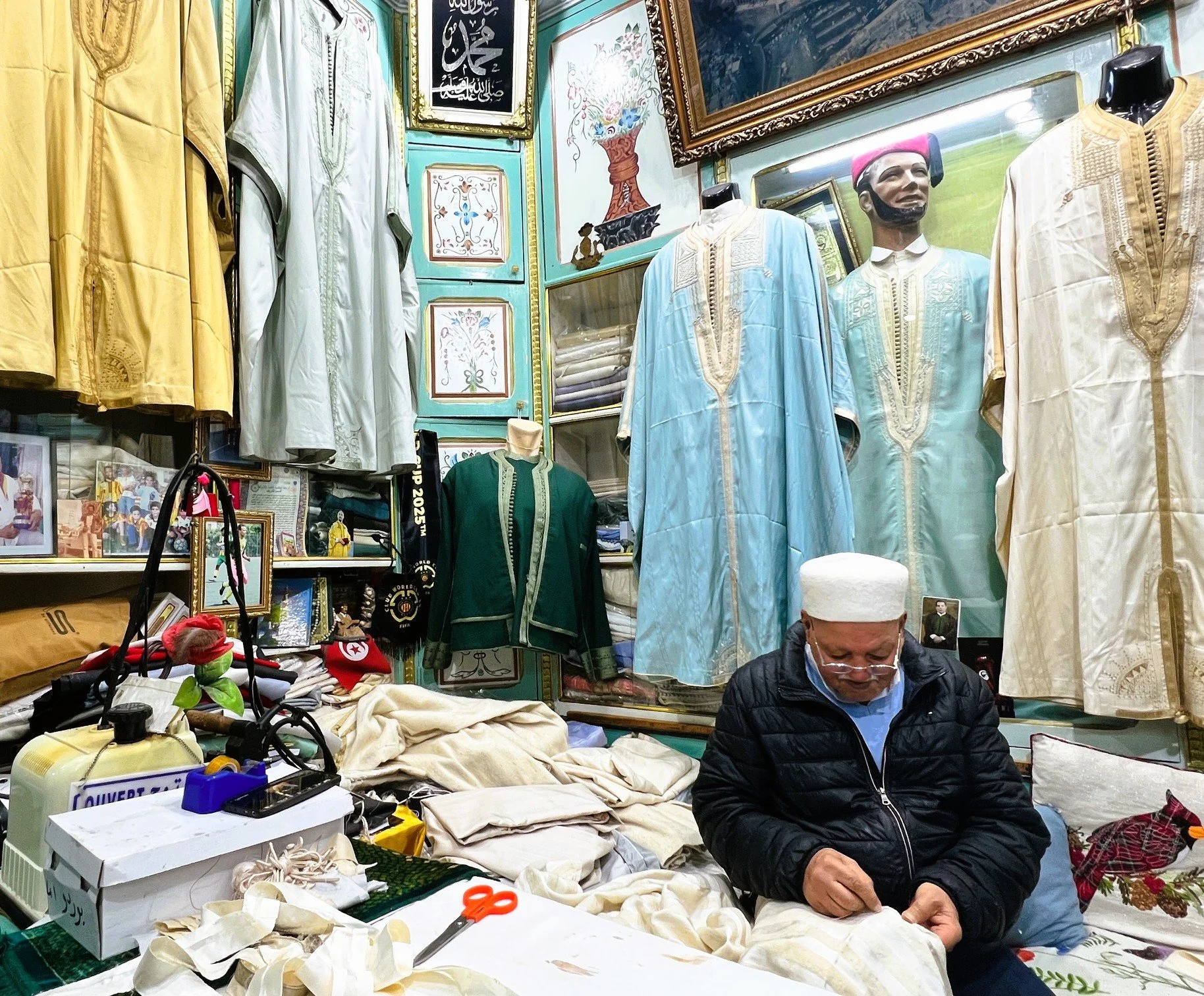
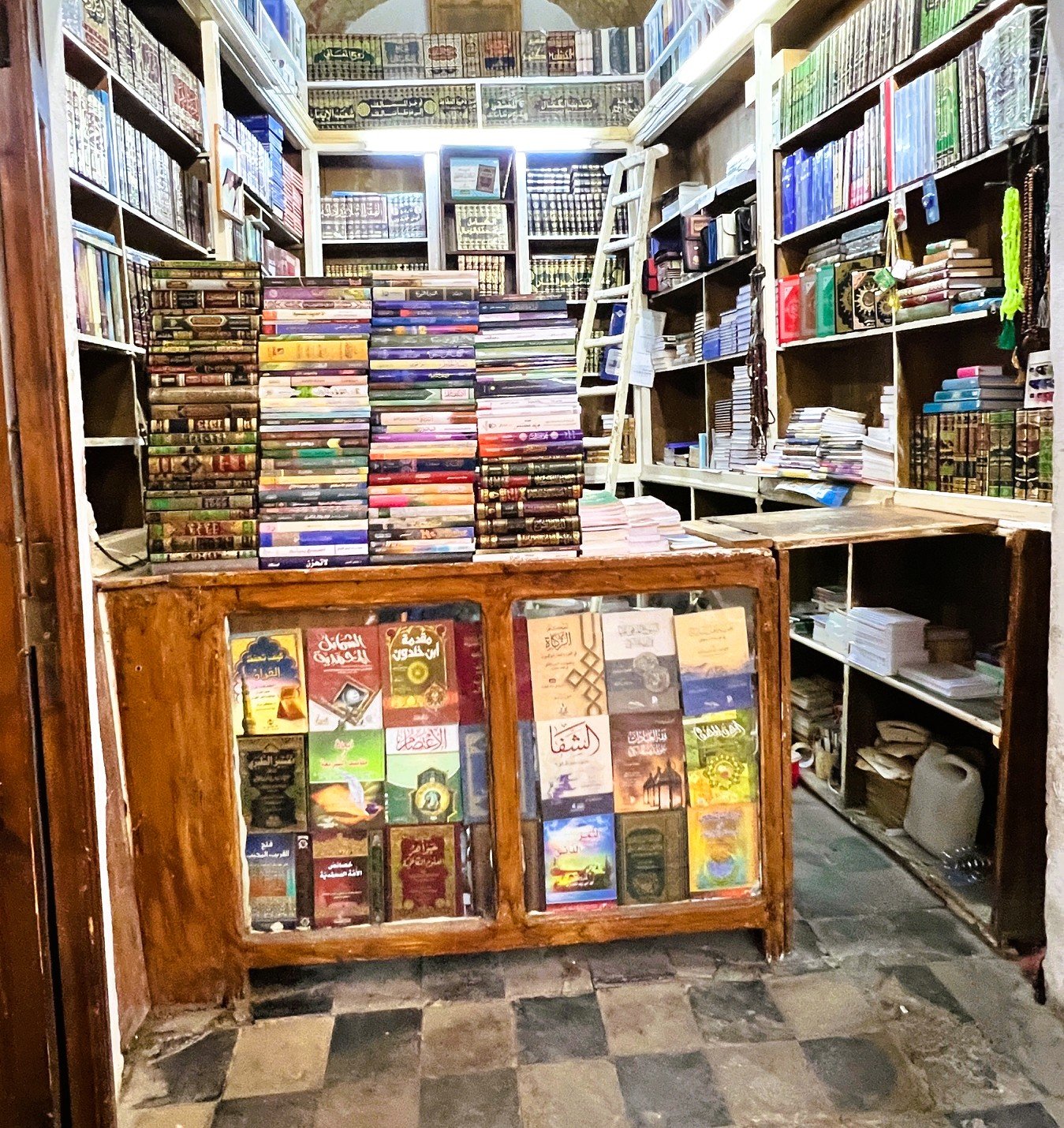
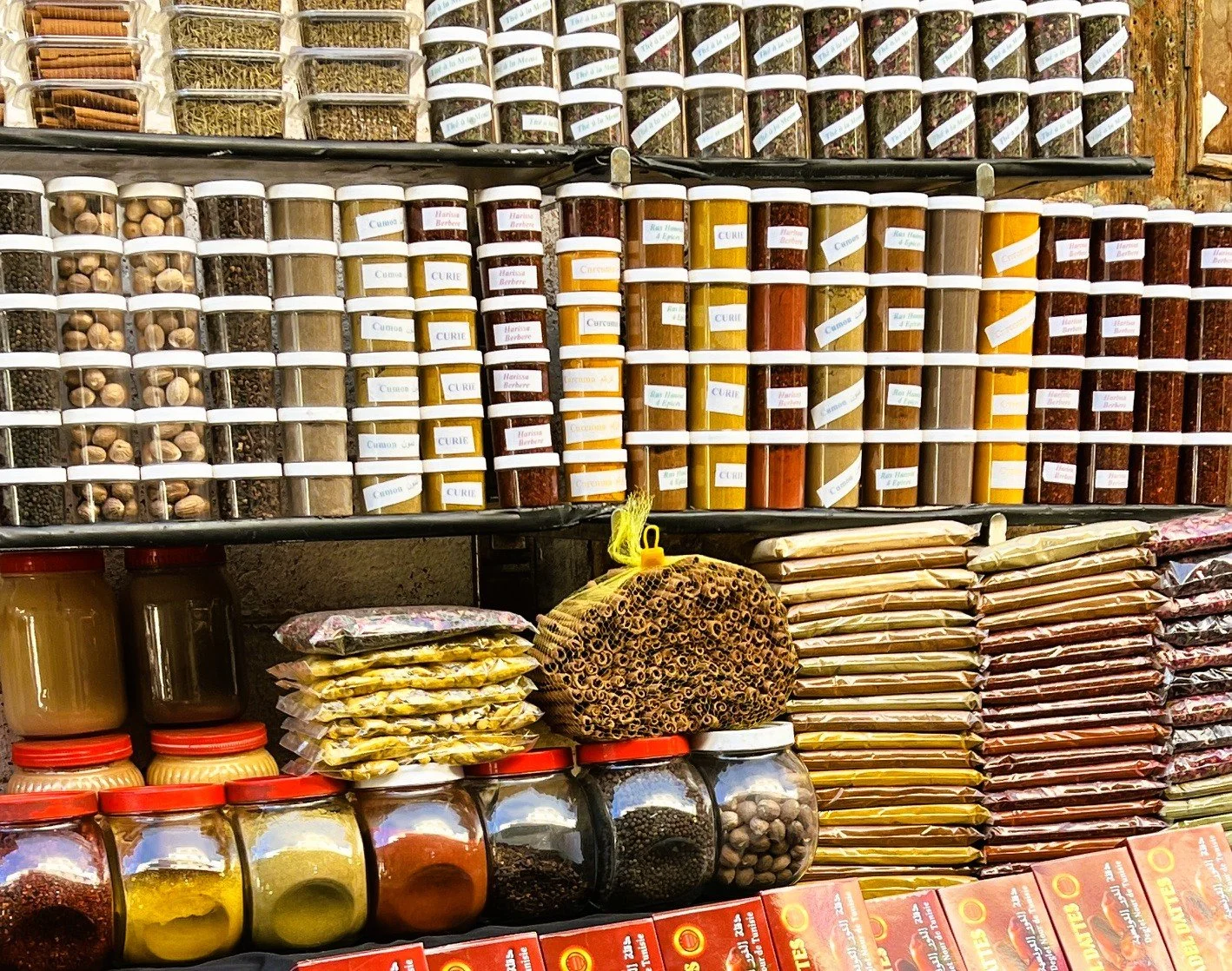
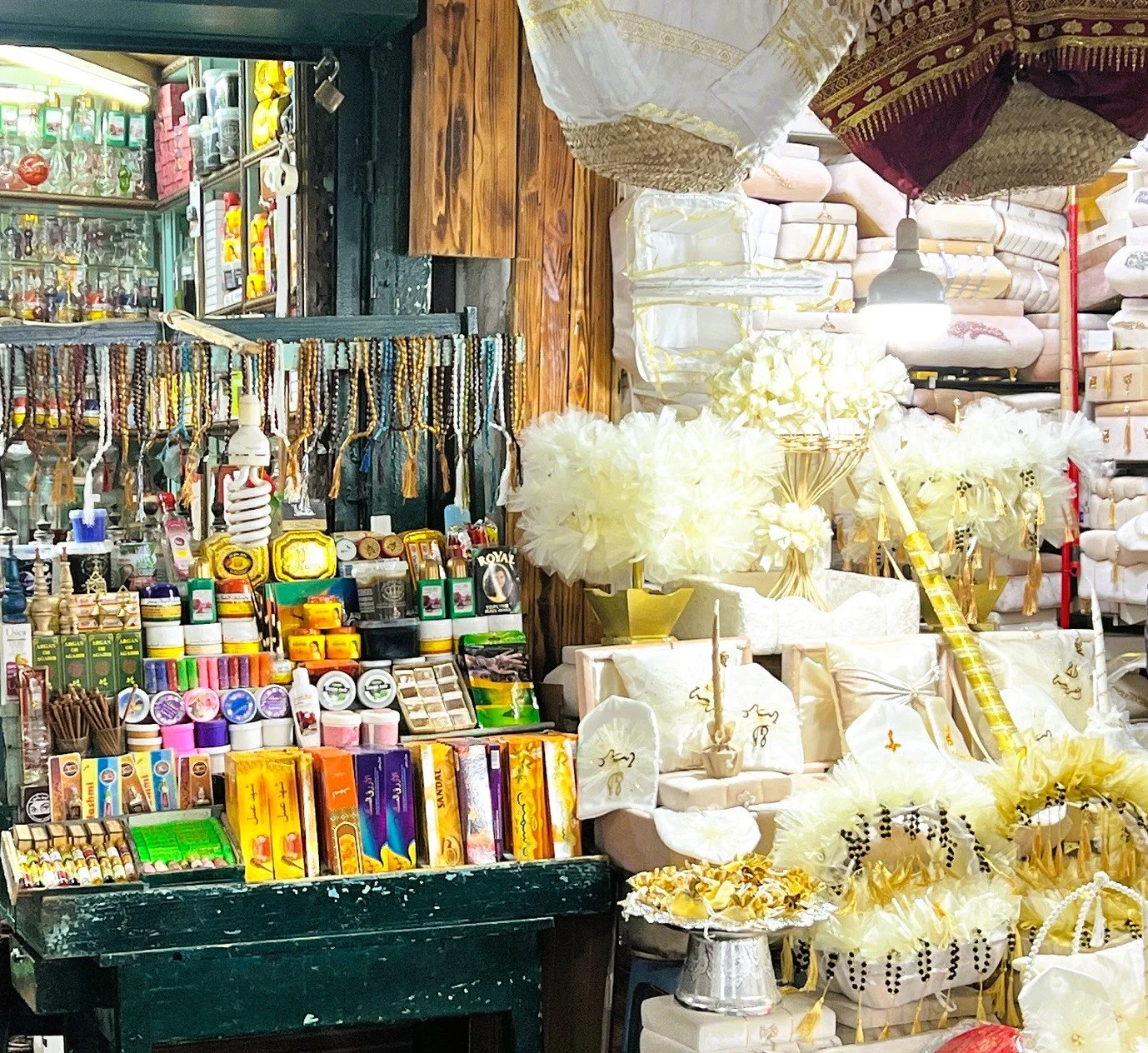
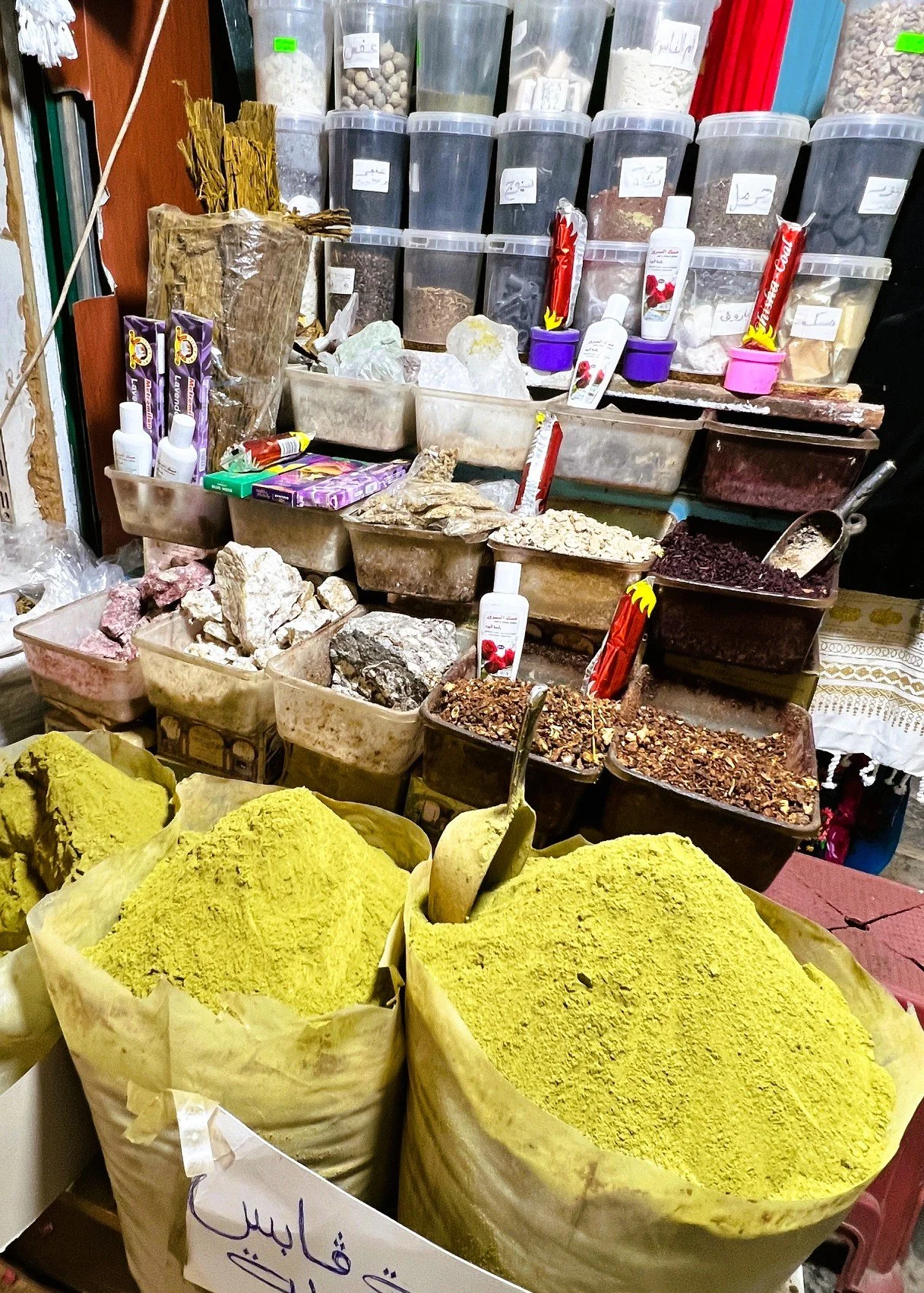
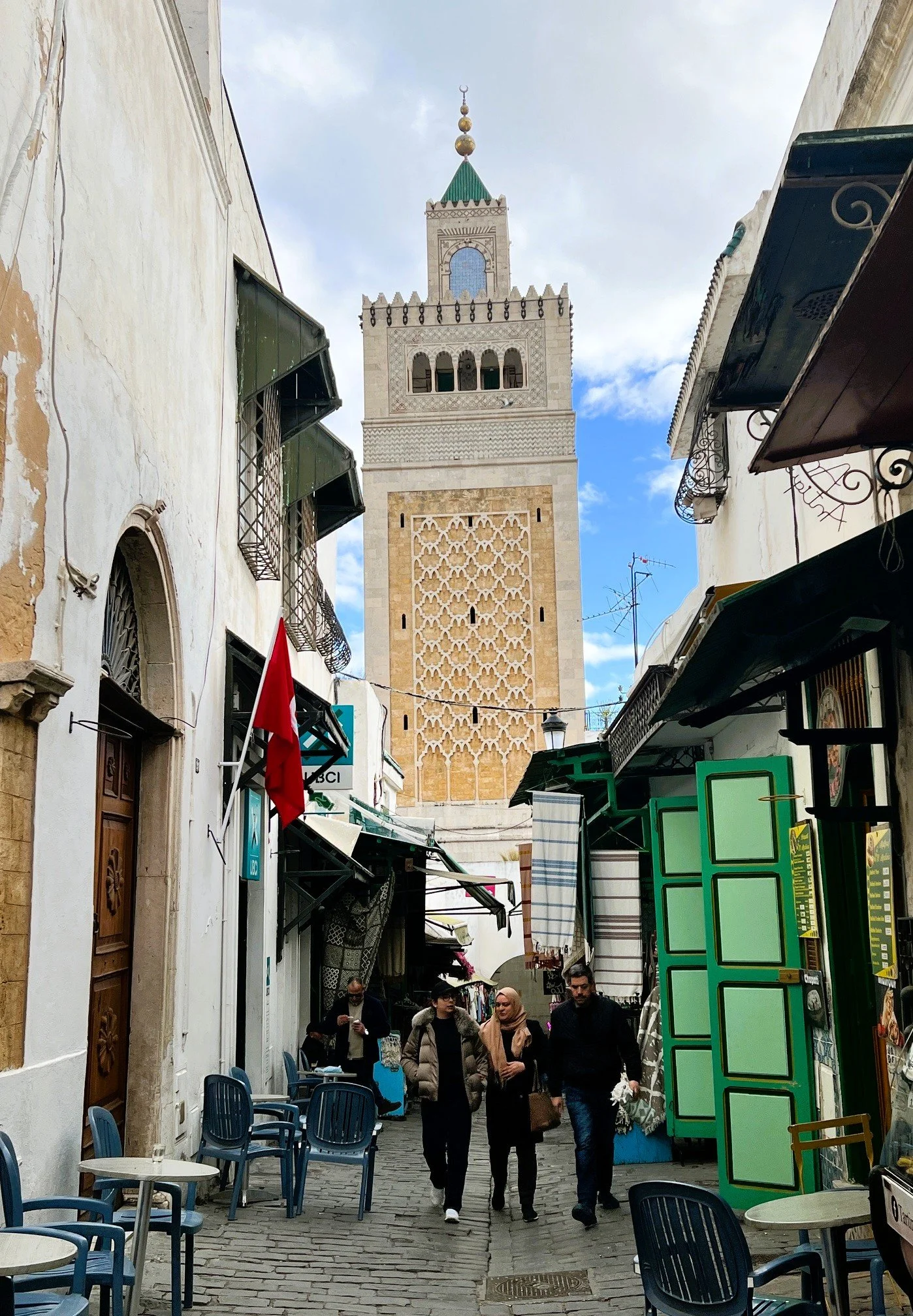
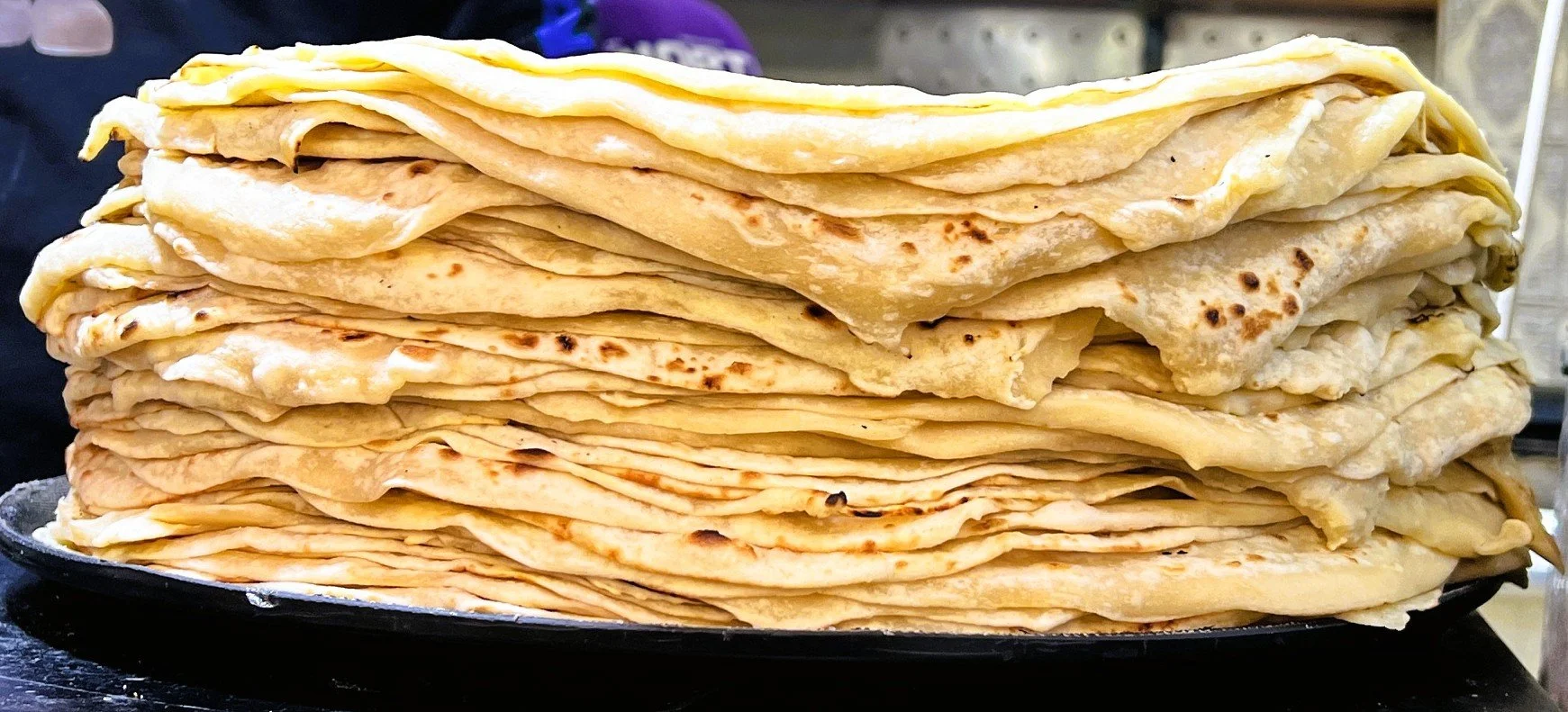
The Tunis medina is, like all Middle Eastern souks, ancestor to the shopping mall. Shoppers elbow their way along a maze of twisty alleyways—partly covered, partly open to the blue skies—selling street-food, fragrant breads, fruits, burgundy-red cylindrical felt hats called chechias, soaps and perfumes, handmade djellabas, sweets, books, spices, purses, rugs, every imaginable consumer product.
Clustered around streetside tables, friends drink tea or coffee and smoke from a hookah. At the Al-Zaytuna Mosque a muezzin standing high up on a minaret calls the faithful to prayer.
Barreling down a narrow passway, a refrigerator the size of an overfed camel is thundering towards me. Behind it, coming into view, a wiry little man with an agitated look in his eyes is powering a hand truck. To save myself, I leap into an apse chiseled out of a stone wall.
The refrigerator brand is probably Turkish, Swedish, South Korean, German or Chinese. Tunisia is not a manufacturing hub, yet.
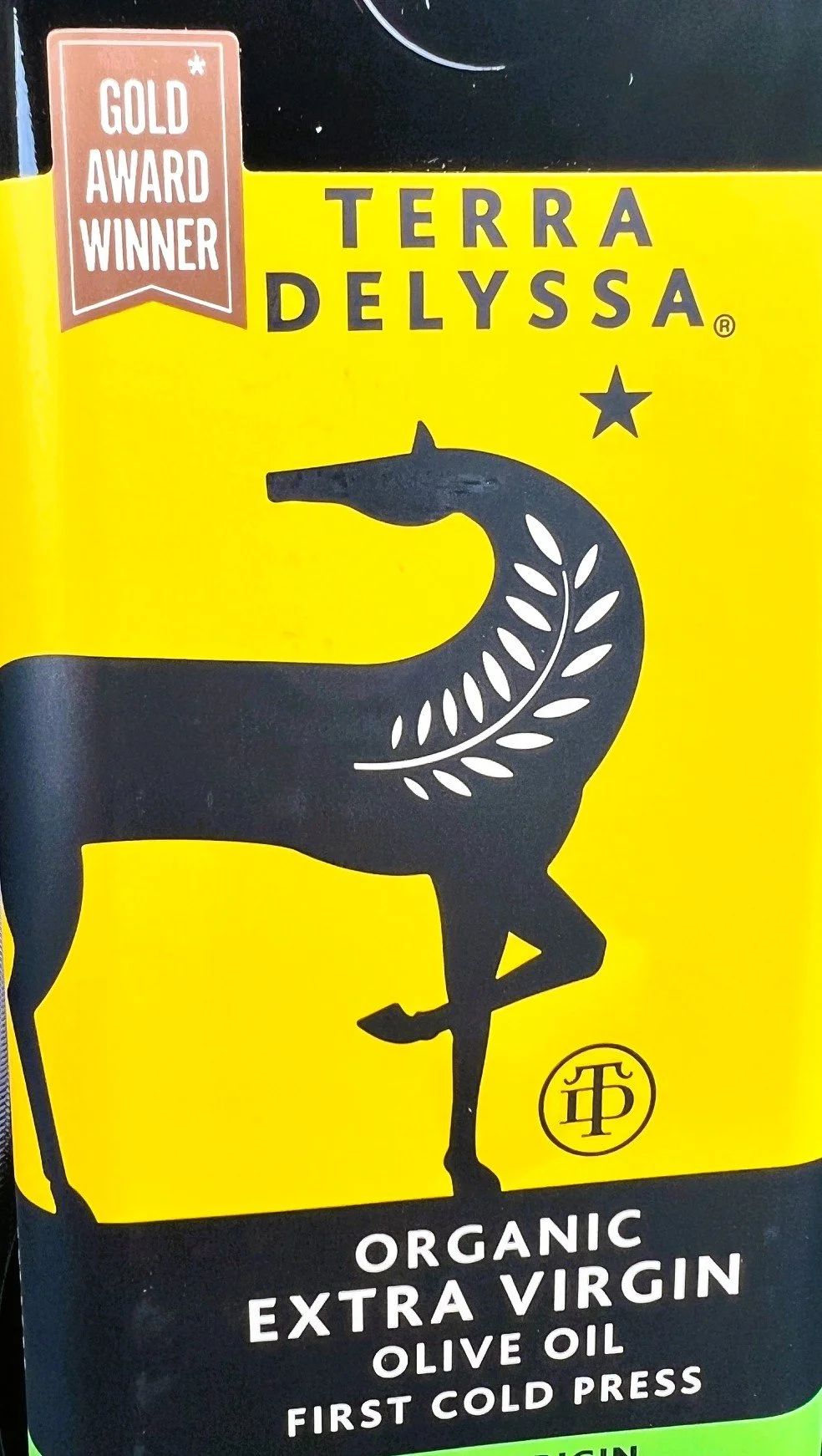
In a complex cross-border trade, a Tunisian family gets a new refrigerator, and I get buttery Tunisian olive oil shipped to a shelf in my local supermarket.
Thanks to globalized trade, I’ll gift Tunisian olive oil to the school board—without leaving my neighborhood.