Jonathan C. Lewis
Flawed
A fictional travelogue; three minute read.
“What’ve you done that’s virtuous?” Jim McCord, my consistently C-average student, got in my face last week. My high school history class was discussing Socrates’ death trial for challenging authority when McCord took the Socratic method a bit too far.
To stave off an impromptu trial right there in my own classroom, I shot back, “Well, I suppose just like Socrates, I’m corrupting you.”
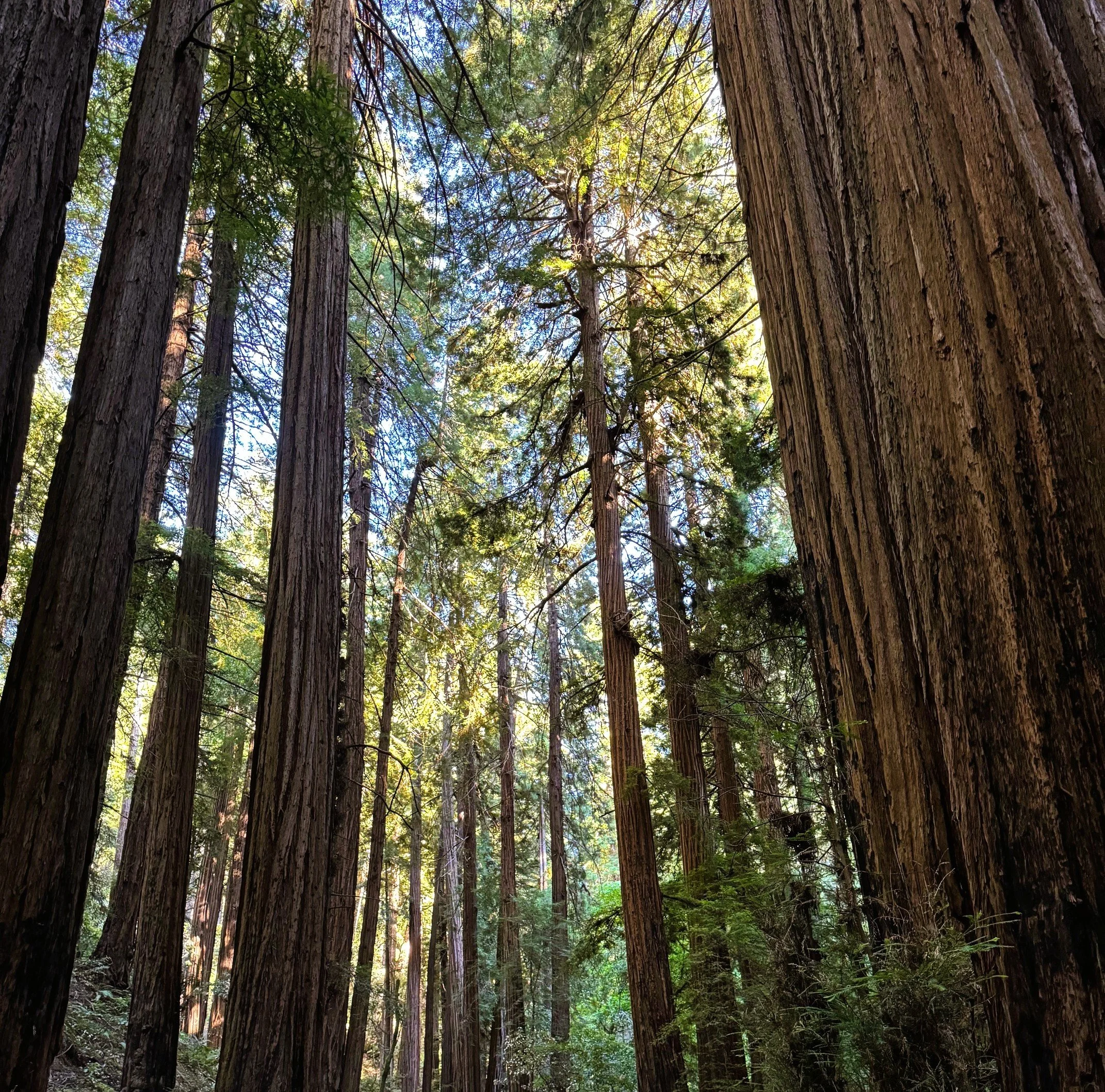
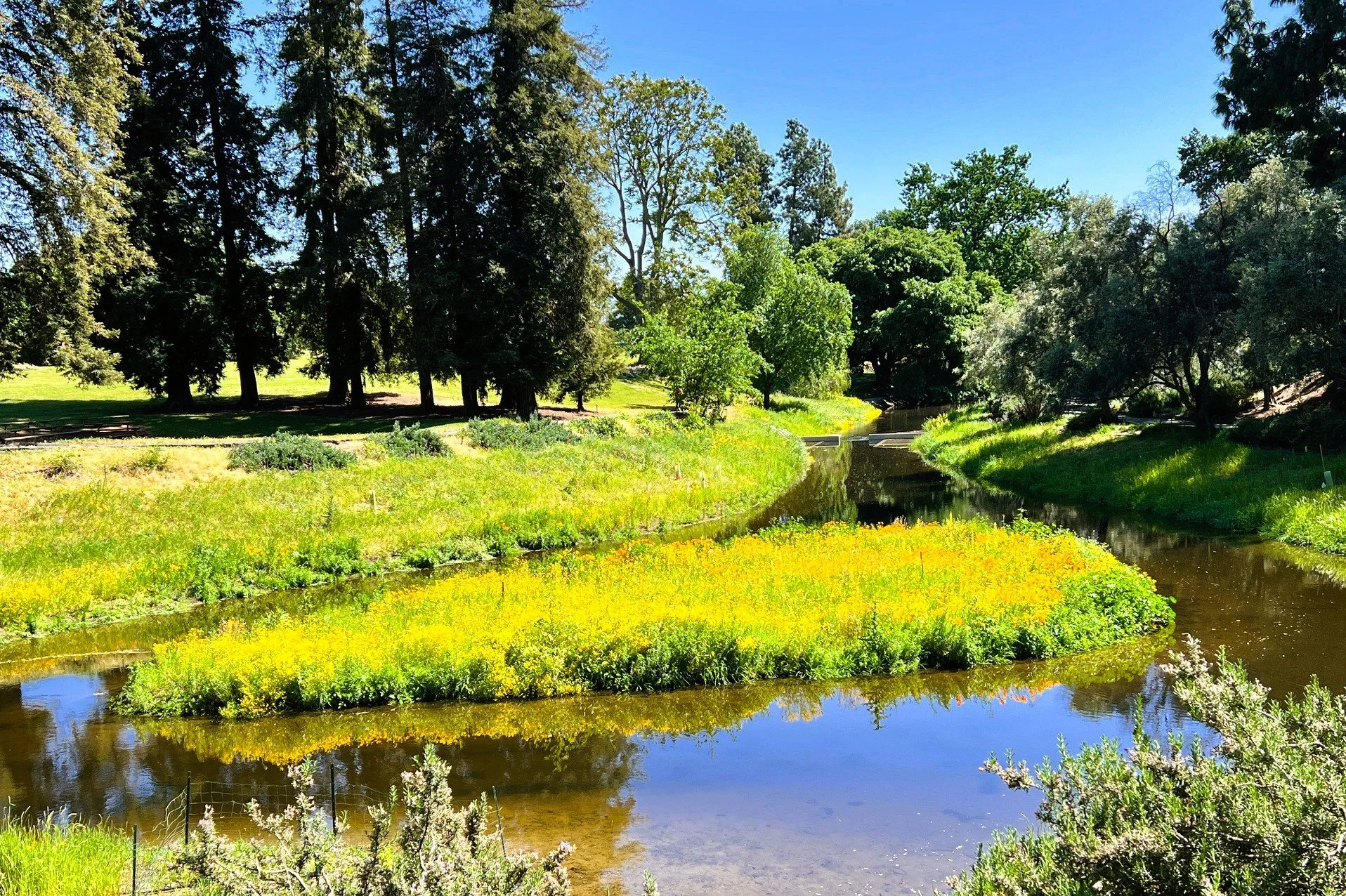
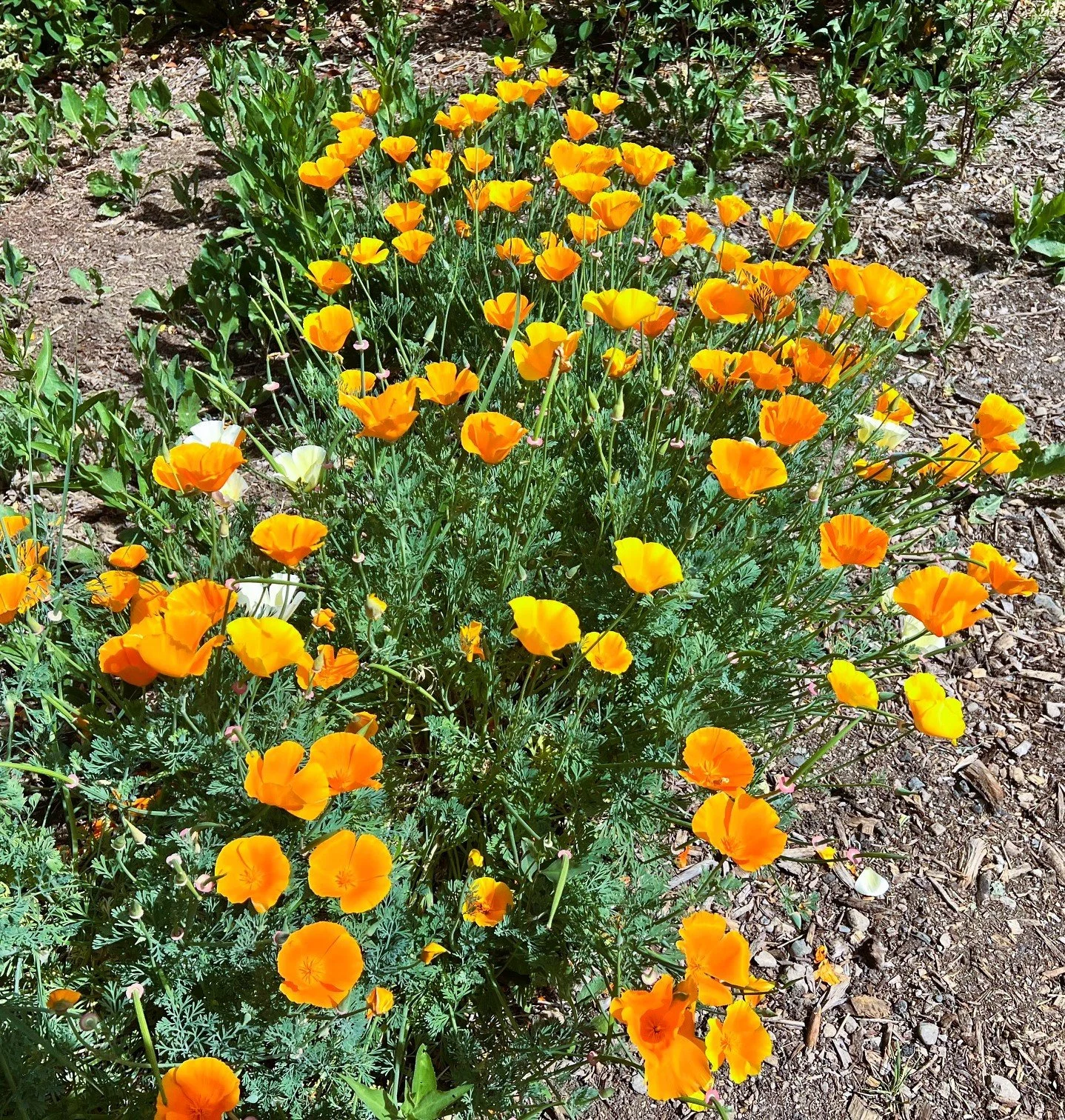
The class laughed, but the day after, under the redwoods in the University of California Davis Arboretum, I’m soothed by the gentle flow of Putah Creek—a salve for my churning innards. A botany student is studying the California poppies in bloom. A runner jogs by on the 3.5-mile loop. A couple on a blanket is picnicking. I’m cataloging my failings.
My face has lost its color. My hands are sweaty.
From teaching history, I know I’m mediocre. Measured against the great and the glorious, I’m neither. Even my lectures are P.T. Barnum hucksterism. I teach history as if I know more history than I do.
In the corner of my classroom, my Teacher of the Year trophy is collecting dust. Unlike my best students who are incandescent with youthful promise and hormonal energy, I’m aging—a dim bulb. Flickering. Fading.
Only in elementary school is it true that you can be anything you want to be. My life would have gone better if I were exceptionally smart, ingeniously innovative or strikingly good-looking, but I didn’t win the genetic lottery.
My students and I are limited by our chromosomes. At 5’8”, Fred Damon’s basketball career is almost certainly as a ball boy. As a naturally clumsy person, Sarah McMillan is unlikely to win a Nobel Prize in chemistry before she blows herself up. As near as I can tell, none of my students is destined to pursue a just life—certainly not because of me.
My principal once warned me, as if he were a psychic reading my future, “Don’t betray your talents by not using them.” His words belong on my classroom wall.
I’m not a bad person. Perhaps not a Socratic virtue, but if light banter is called for, I’m a good conversationalist. As a dinner guest, I don’t have nut allergies. At the local diner, I don’t eat eggs with my bare hands. I know how to use the Dewey Decimal System.
History is the legacy story of blemished people. Every historical figure has a slimy secret—a foible or two that confirms their humanness and, to the disappointment of simple-minded critics, their humanity. The American founding fathers were traitors to the British Crown before they were freedom fighters. The decent Americans who freed their slaves first had to be slaveowners.
The thing is, I’m in no hurry to fix my flaws. If I did, I wouldn’t be me.
Fuck my principal. Fuck Jim McCord.
“Excuse me, Sir,” a voice interrupts me. I turn. I recognize the face.
“I’m Mona, Mona Louie. I was in your honors history class.”
I mumble, “Yes, yes, good to see you. What are you doing with yourself these days?”
“I’m graduating university this year. I’m a history major.”
The flowers at her feet—maybe it’s her fragrance—smell fresh and clean.
“I want to teach high school.”