Jonathan C. Lewis
Subversive Art
A fictional travelogue; three minute read.
On the Amtrak Capitol Corridor train from Oakland, California, to the University of California, Davis, as the scenery whizzes by, I’m multi-tasking. I’m simultaneously gazing out the window and daydreaming—a cocooning moment after a long day at a chaotic teachers conference.
As the Suisun wetlands come into view, my seat mate interrupts my reverie, saying, “I’m Gabriel.”
When I don’t remove my headphones, he leans into my space, “How far are you going?”
From his scuffed shoes, rumpled clothes, shaggy haircut and backpack, I have no doubt he’s a college student on a budget. Education aside, he seems to have unlearned every parent’s warning about not talking to strangers. The steely clickety-clack of the train’s wheels has lulled Gabriel into assuming confidentiality—a moment of familiarity and trust.
As I reluctantly remove my headset, he volunteers, “I’m starting my junior year at uni.” As I know from listening to my students, other faculty and total strangers on plane flights, he is about to tell me his secrets.
From habit, my head tilts into a listening pose. I’m about to hear what he has been endlessly rehearsing in his head. I say nothing.
“I’m first in my family to attend college. My parents want me to study law. Make a lot of money. Something they can explain to their friends. Nothing weird or flaky,” Gabriel rushes his words.
“I have to declare a major,” he announces with the agitated solemnity of judge issuing his first death sentence. I can almost see the hatchet cleaving Gabriel’s skull into halves.
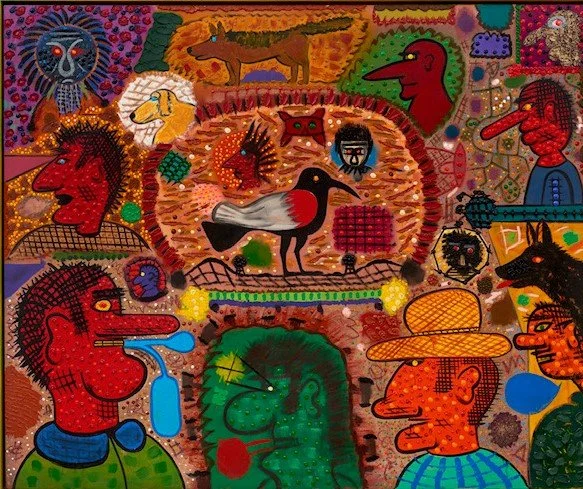
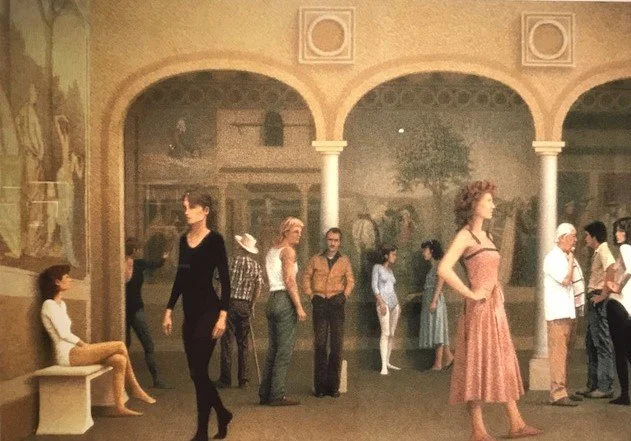
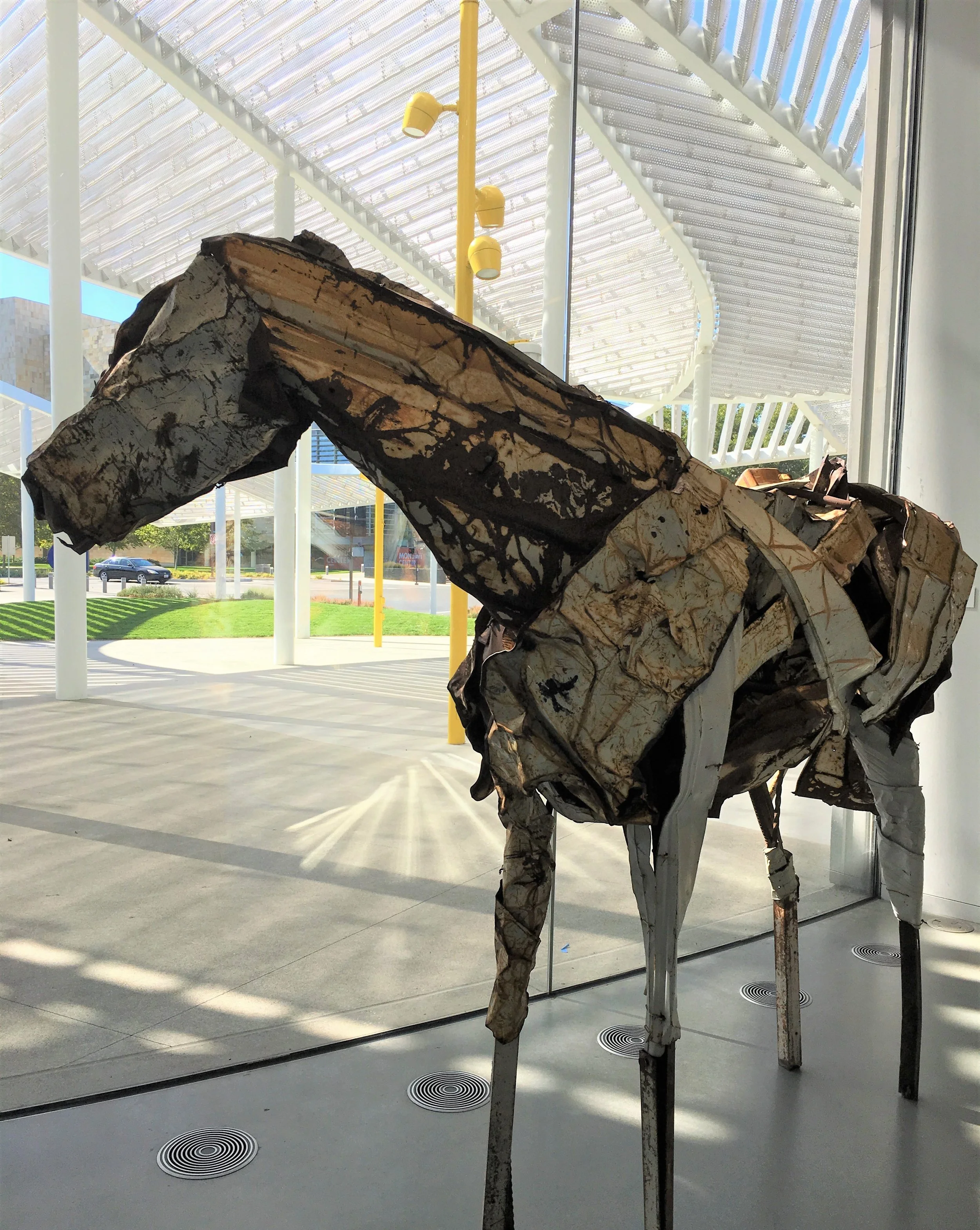
“When I go the campus library, there are these incredible artworks by these artists I had never heard of. Butterfield, De Forest, Hollowell, VandenBerge. They make me happy,” he explains.
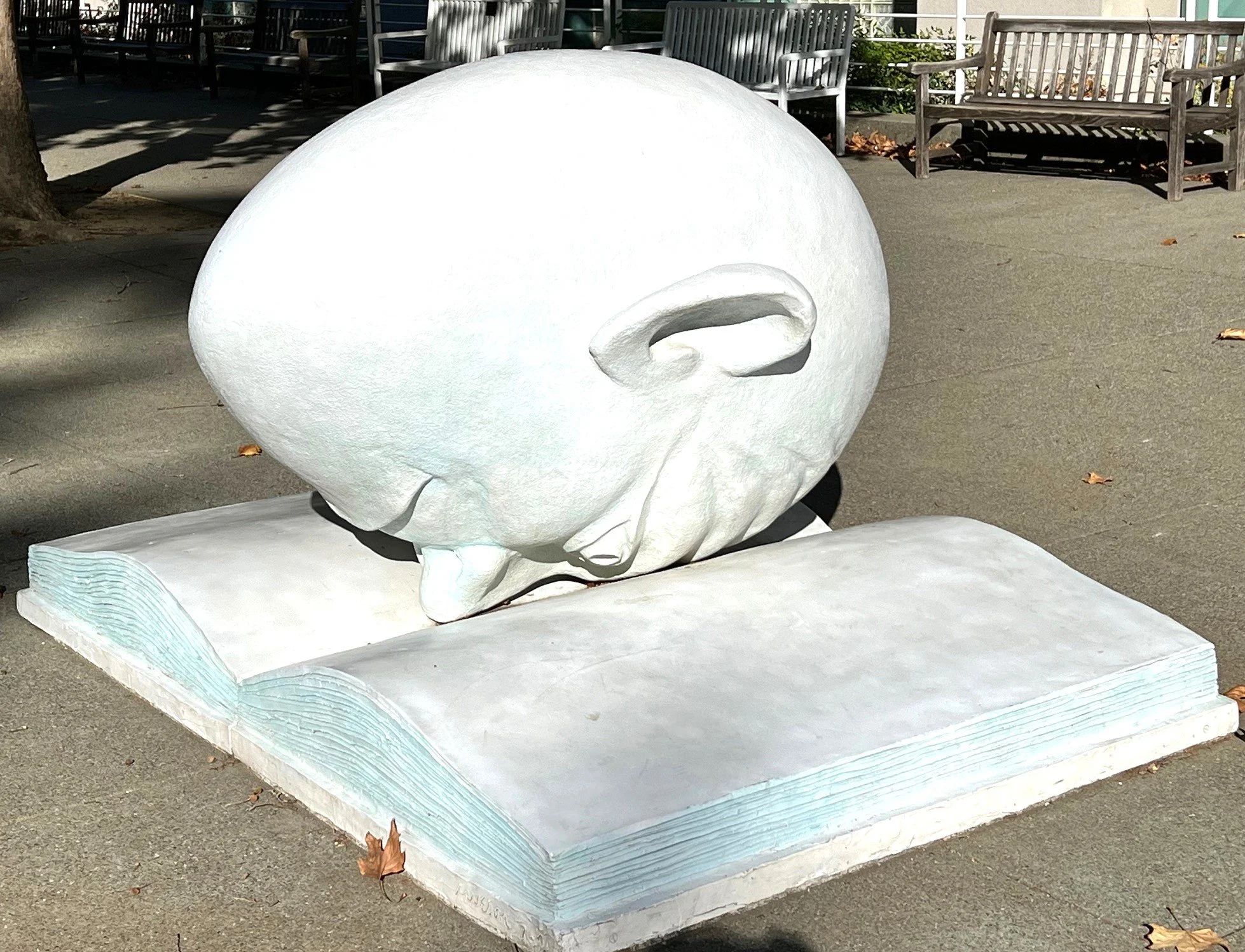
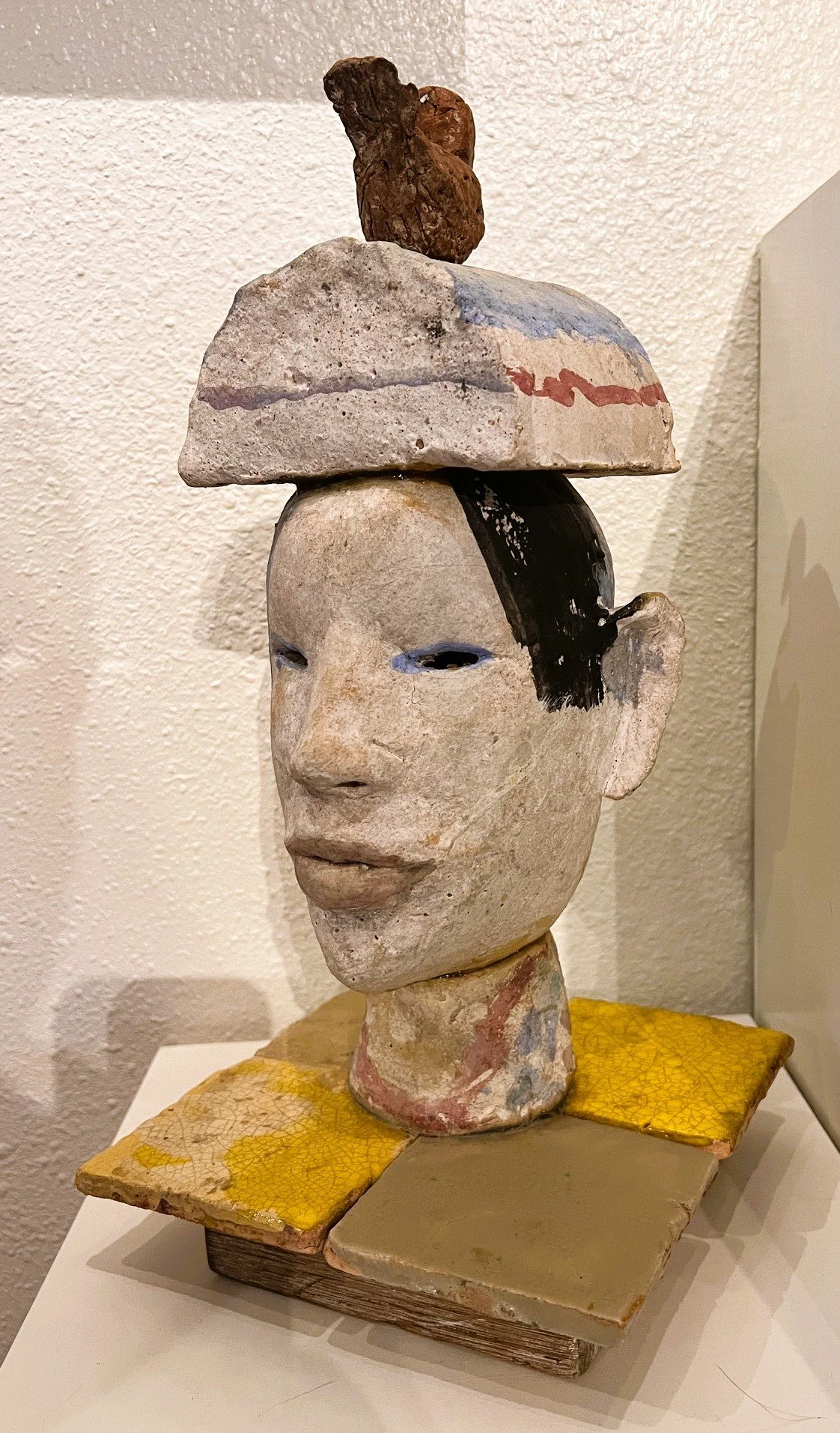
Assuming I know the campus, he whispers, “One day, I stopped in front of Robert Arneson’s egghead sculptures. They came alive. I know, it’s nuts, huh? They kept asking me, ‘Why are you here?’”
In my mind, I’m rereading the history of how Cold War spymasters recruited undercover agents.
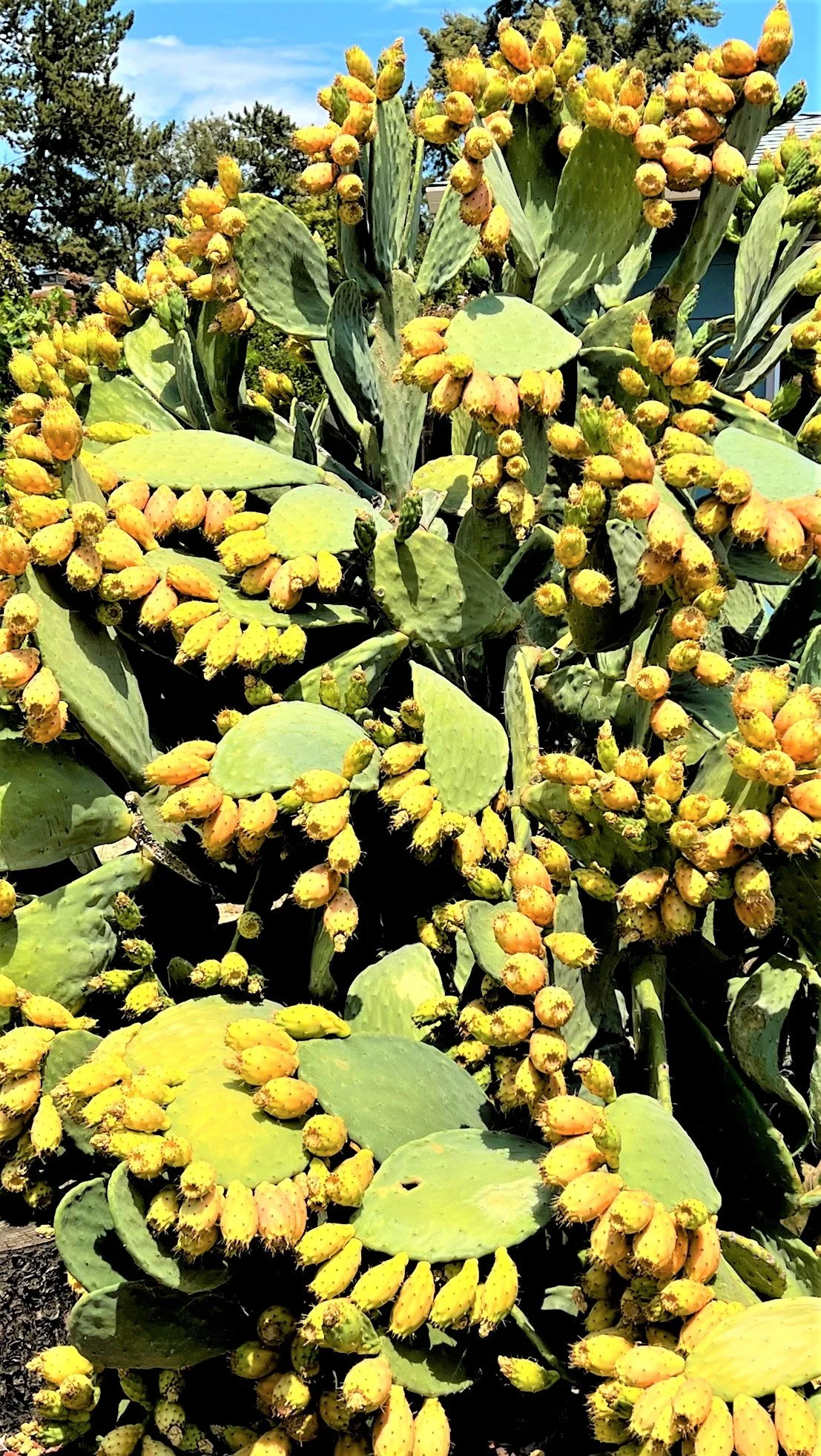
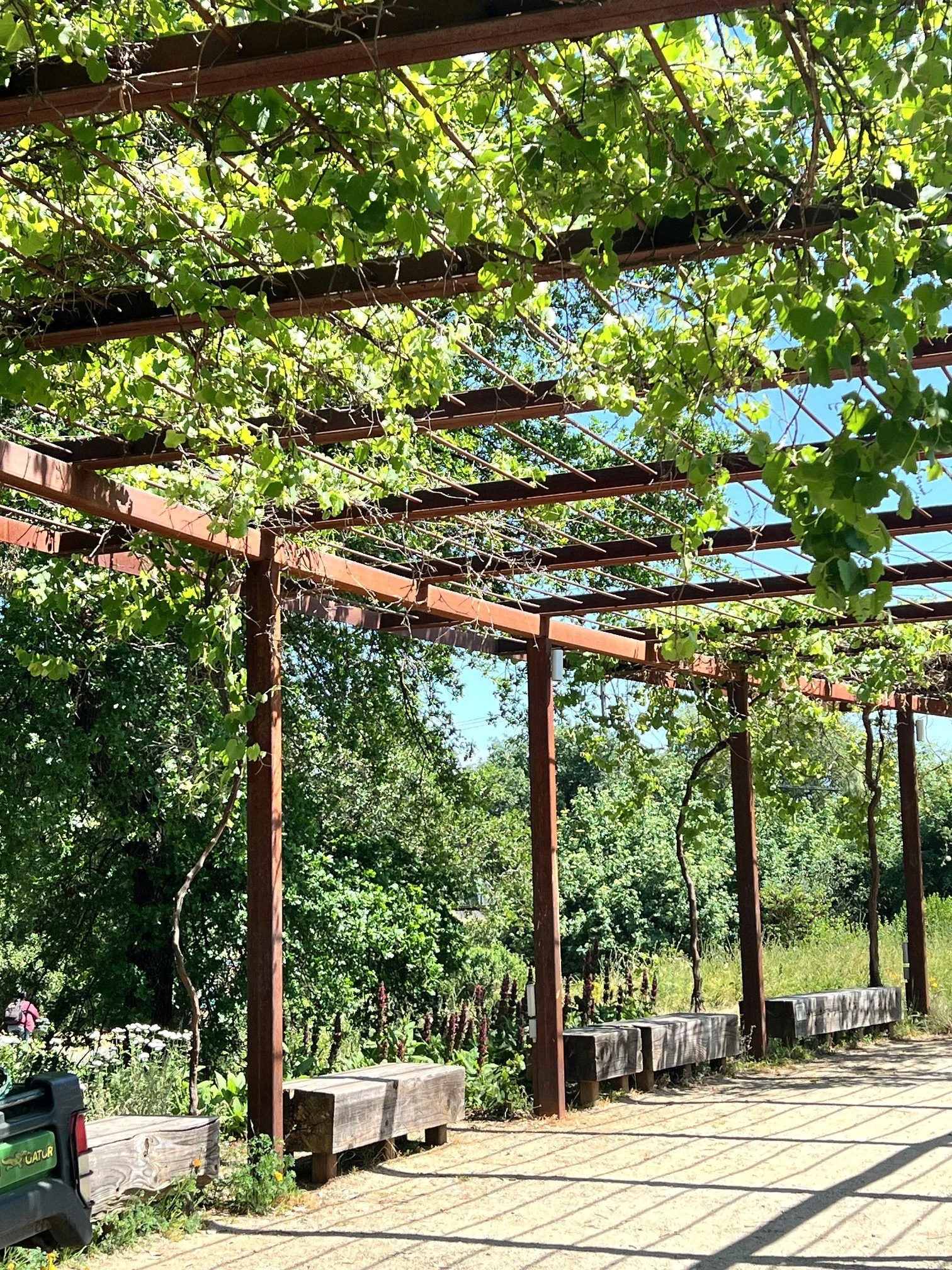
He tells me about bicycling to the university’s hundred-acre teaching arboretum to think. “It’s amazing. The Native-America Contemplation Garden is like a canvas made from nature.”
“Without telling anyone, I took an art history class. Then, I tried a lab class putting paint to canvas.”
“I want to be an artist, but I can’t let my parents down,” he croaks, almost tearing up.
Echoing words rehearsed for him by movie heroes, he adds, “I’ll figure it out. I’ll do what needs doing.”
His fingers, chewed to the quick, fiddle with the clasp on his faded denim jacket.
“You’re not a blind painter forced to choose between the colors of the rainbow. You know what you want. You just don’t want to break the news to your family. Do you want to be respected for the cases you win or the canvases you paint? It’s your life,” I push, maybe too hard.
Leaving my question hanging, Gabriel busies himself with his backpack.
As the Davis Spanish Revival train station comes into view, his soliloquy ends. He needed my ear, not my poking question—and certainly not my opinion.
From over his shoulder, I hear a cursory, almost introverted, good-bye and a faint “thank you.”
Before I have time to invite myself to his senior thesis art show, he’s gone.