Jonathan C. Lewis
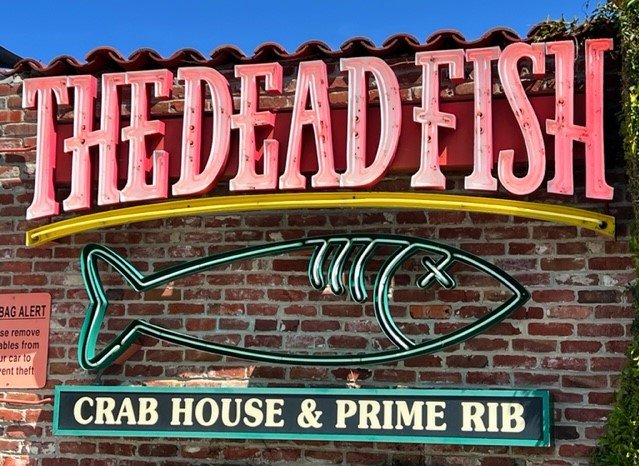
The Dead Fish
A fictional travelogue; three minute read.
My window table overlooking the Carquinez Strait at the Dead Fish restaurant is a panoramic view of the tidal estuary connecting the Sacramento River with San Francisco Bay. A tanker with its planet-killing cargo steams upstream to a Martinez oil refinery.
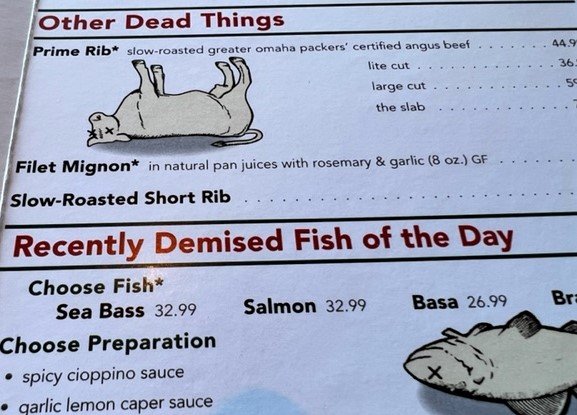
For a moment, the joke-y menu choices—“Recently Demised Fish of the Day” and “Other Dead Things”—distract me from the doctor’s phone call this morning. In a practiced, routine voice, he told me, “Your mother is shutting down. She has a day, maybe two, left.”
I arrange my cloth napkin with a clenched, trembling hand. My neck is tight. I take a sip of water.
Her brittle body is, finally, drowning from old age. Not soon enough. Years ago, I started wishing she would choke on a fishbone.
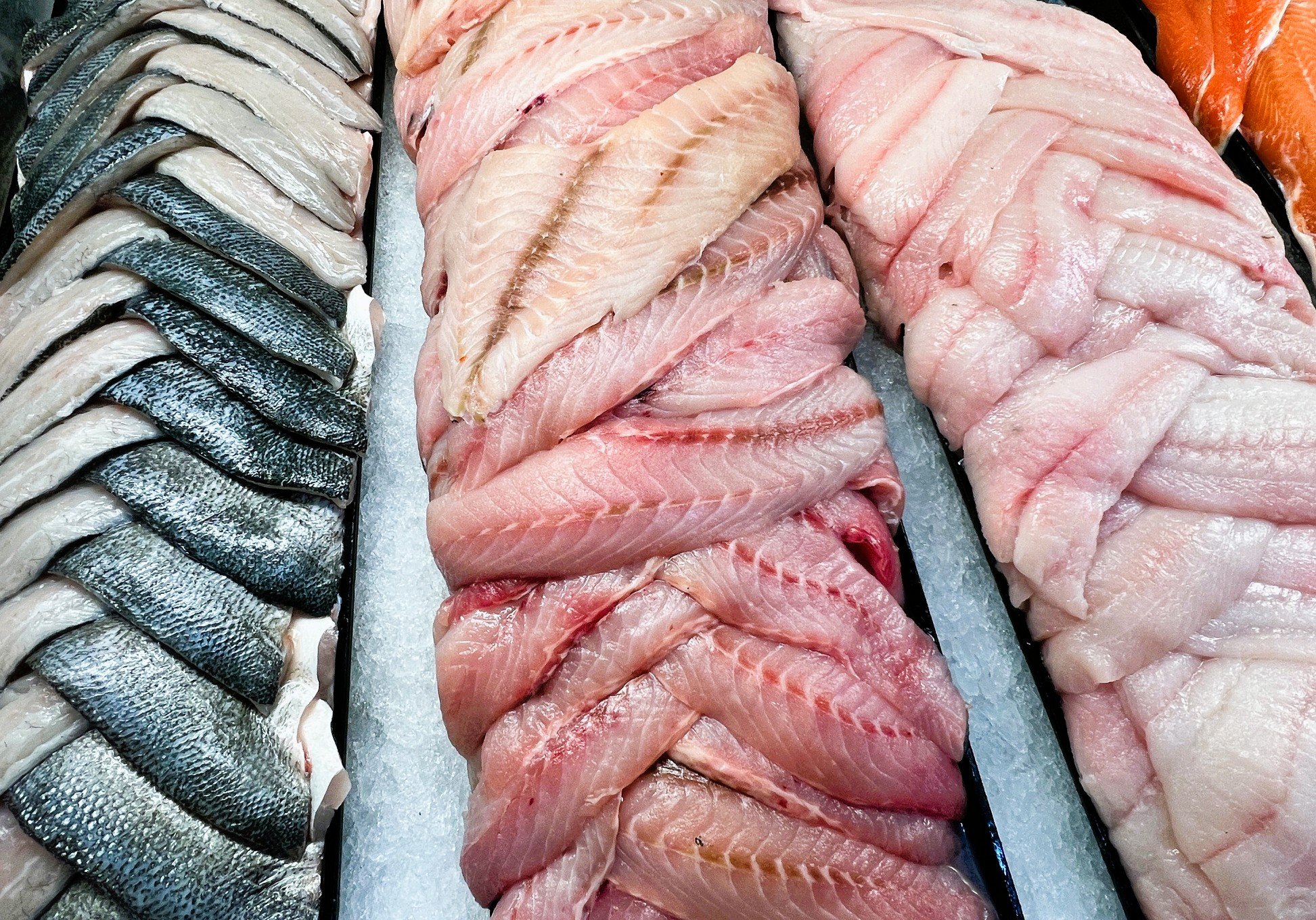
I’ve decided. I’m not missing lunch to drive to the hospital. She and I are already as dead to each other as the seabass catch at Fisherman’s Wharf. We’ve been estranged for decades.
My waitress stops to chat. She is at the end of her shift. I’m her last customer.
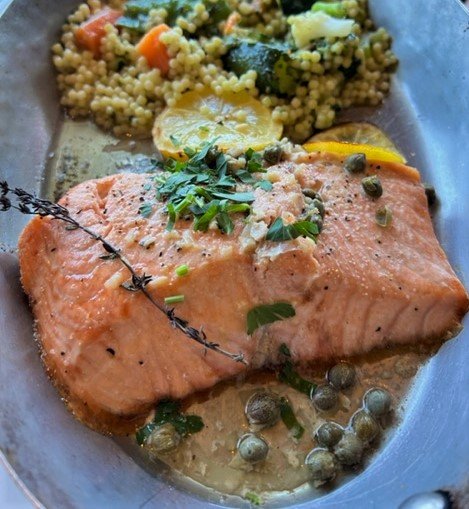
I order the poached salmon, served cold. Dead cold.
“Can I get you anything else?” she asks adding, “Is everything OK?”
Misreading her question to mean a concern for me, not my meal, I stammer, “I just got word that my mother is dying.”
“Oh, I’m so sorry. Is she nearby?”
“Uh, she’s close by, but we weren’t close.” I’m telling a total stranger what no one else knows.
“My mother loved the make-believe son she wanted. Not the son she birthed.” The words tumble out.
“In her life-long stage play called My Son’s Life, my mother played the martyred leading lady whose son disappoints her. In the script she wrote, I had a walk-on part without lines.” My breathing is ragged.
The waitress—I don’t ask her name—looks at me the way someone watches a netted fish gasping for air.
“As soon as I was old enough, I fled her gaffing judgments.” I don’t explain escaping to the nearest shopping mall. Going far away to college. In adulthood, traveling to exotic places.
“But you owe her so much. She raised you, fed you, changed your diapers,” my waitress utters a familiar trope. Her criticism sticks in my gills.
“Being grateful is a thing, sure, but lying about her is another,” I mumble in a half-whisper, my salty eyes burning.
In a flat, guarded tone I say, “We weren’t close, but she did the best she could.”
My insides feel scraped. A bit of bile gags me.
To protect myself from her daily filleting of my self-esteem, I learned a life survival skill. I learned to harden my heart on demand, to shut people out of my life.
Like a silent shark patrolling for better prey, I turn towards the view. Leaving her to smooth her apron, I ignore my waitress.
The mist and dirt clinging to the window blurs the vista. I force-feed myself memories of my mother. I remember feeling hooked and fighting for my life.
If I could kill off my mother years before her deathbed day, I can, without remorse, imprison anyone in a permanent purgatory.
A busboy arrives with my salmon plate. It looks tasty enough, but smells rancid.