Jonathan C. Lewis
The Doors
A fictional travelogue; three minute read.
In Florence—a city of doors and domes, church spires and all the pious art that Renaissance money could buy—I’m strolling down a cobbled, narrow passageway. A bicyclist—a boy of maybe nine or ten—careens around me pedaling at breakneck speed. I hop out of his way. As he turns the corner, I pray a silent prayer, “Godspeed. Go home. Don’t stop at a church.”
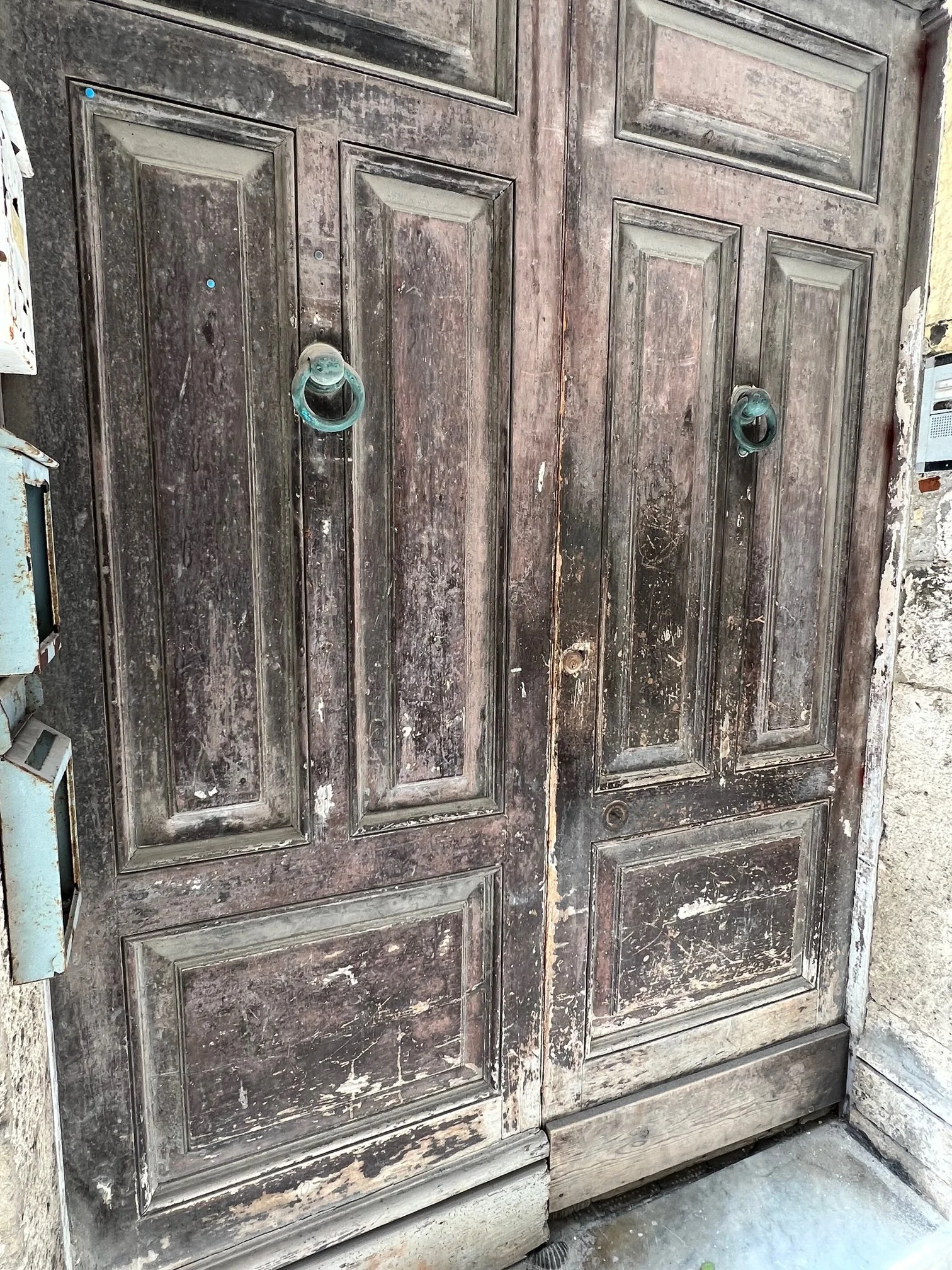
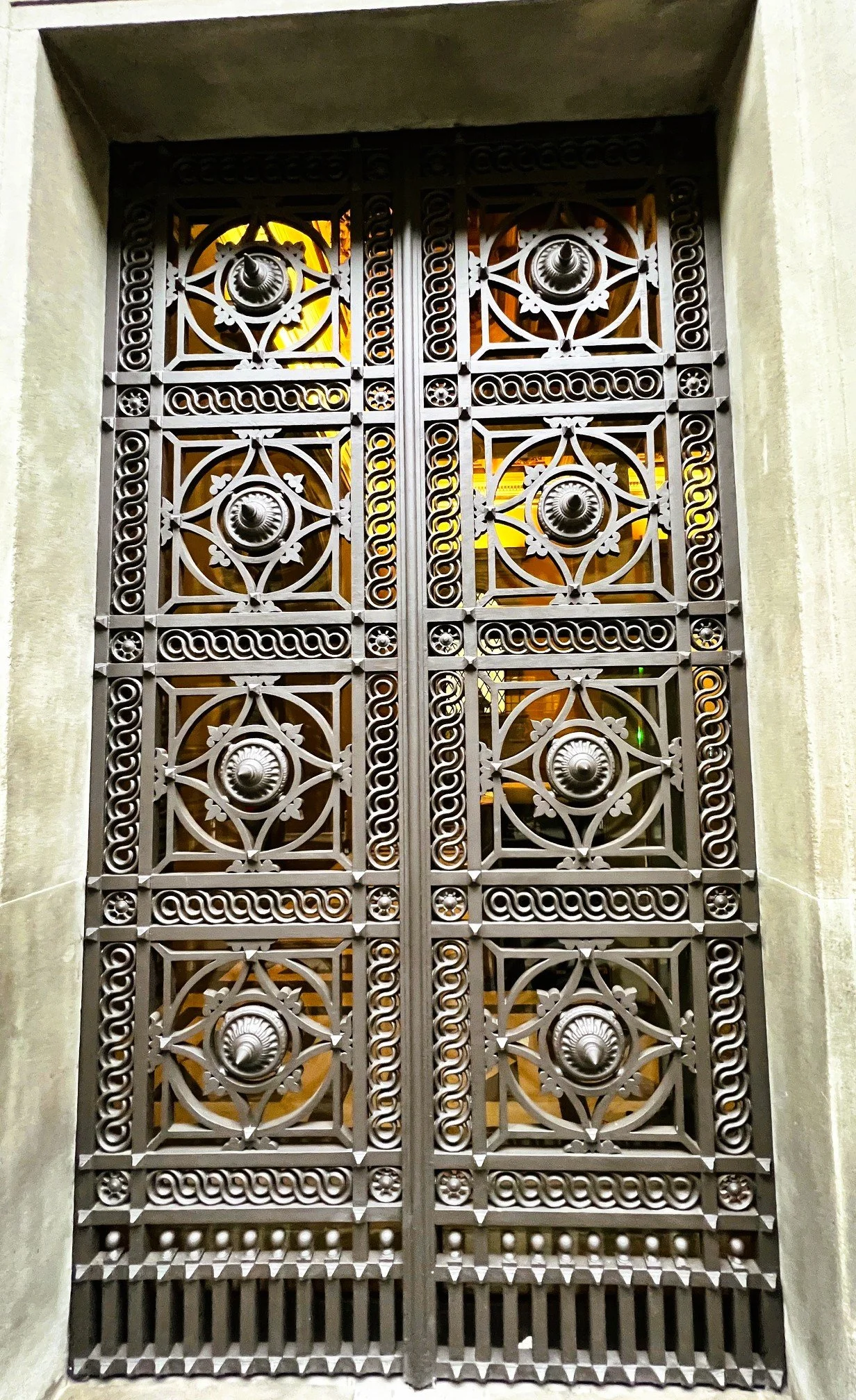
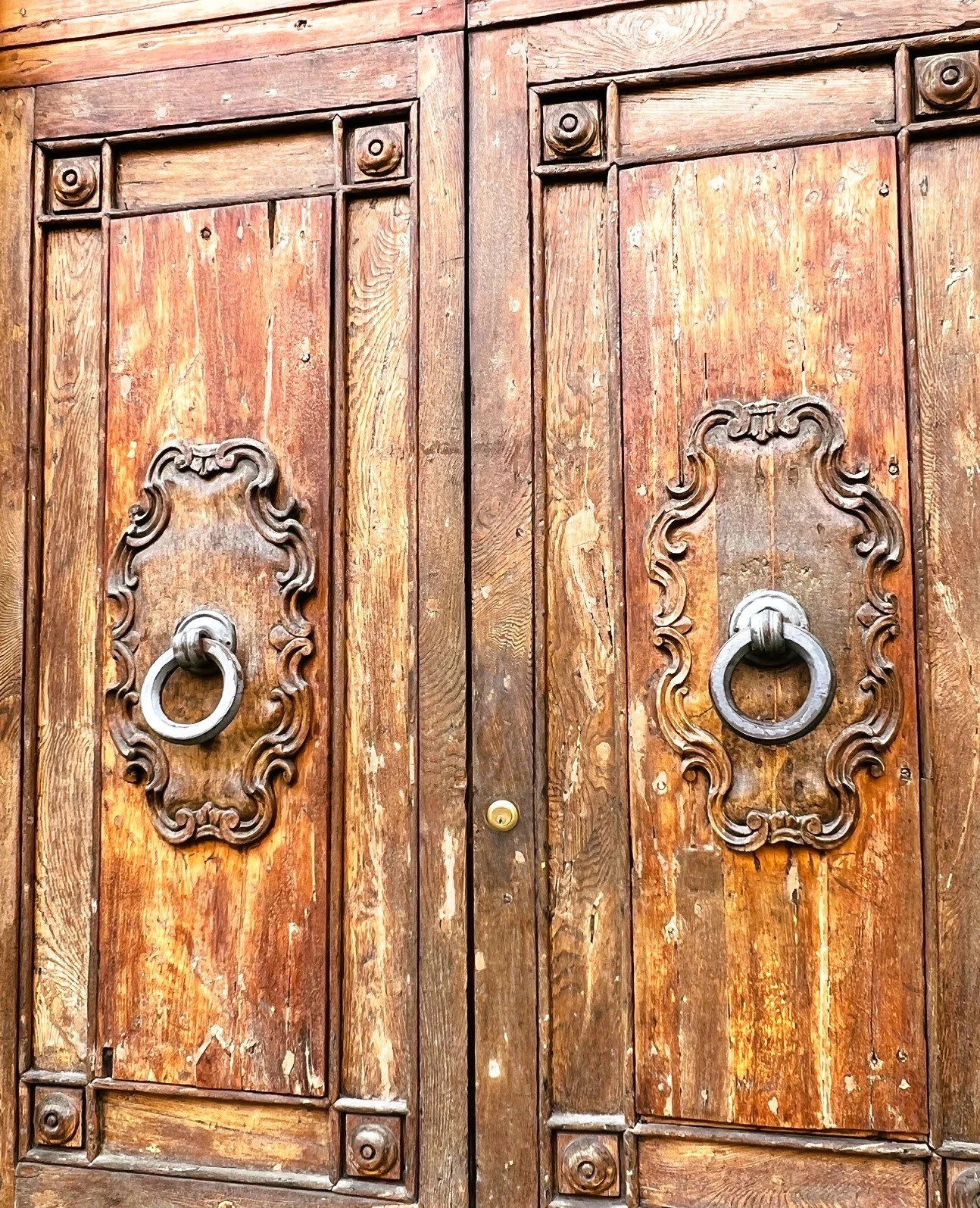
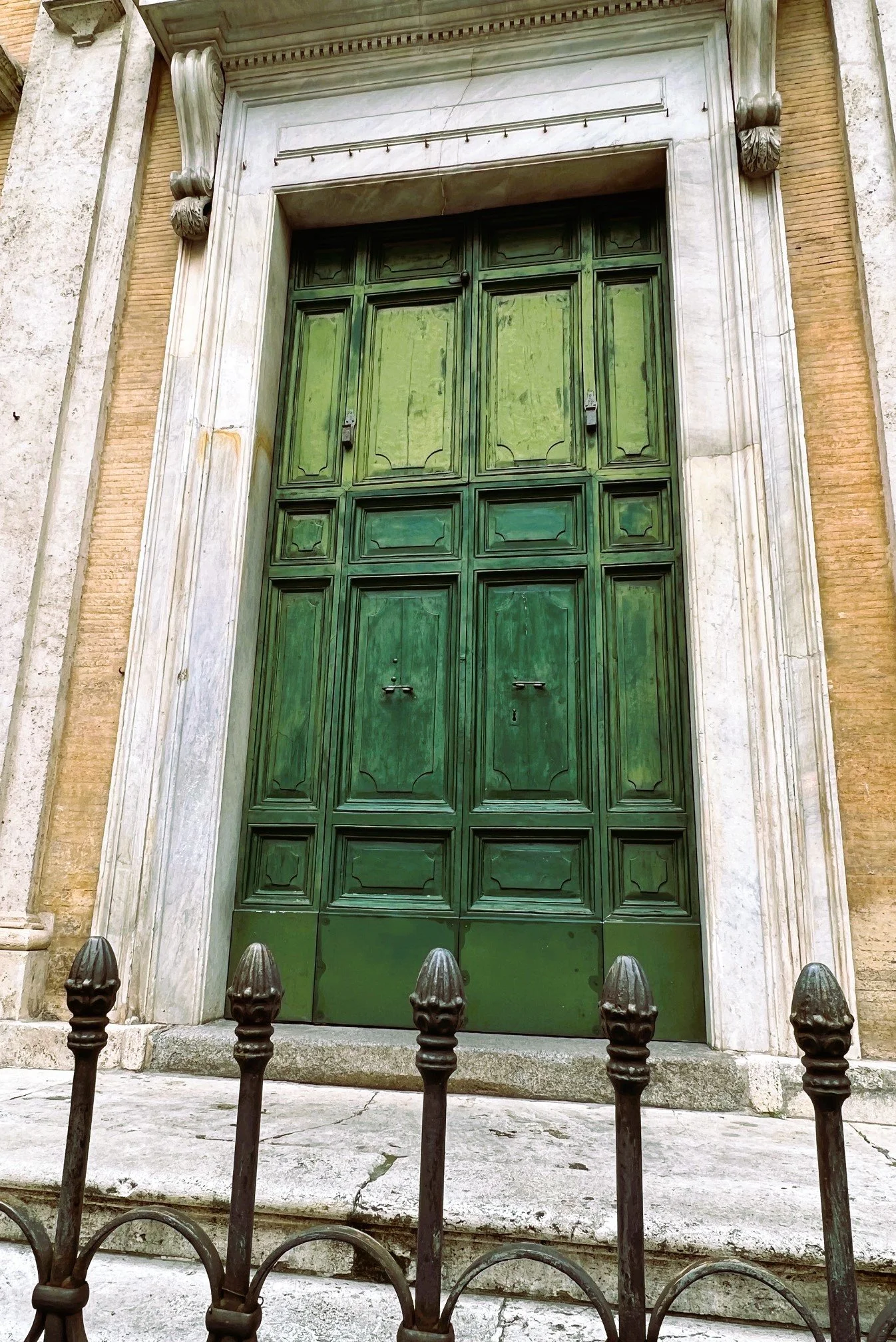
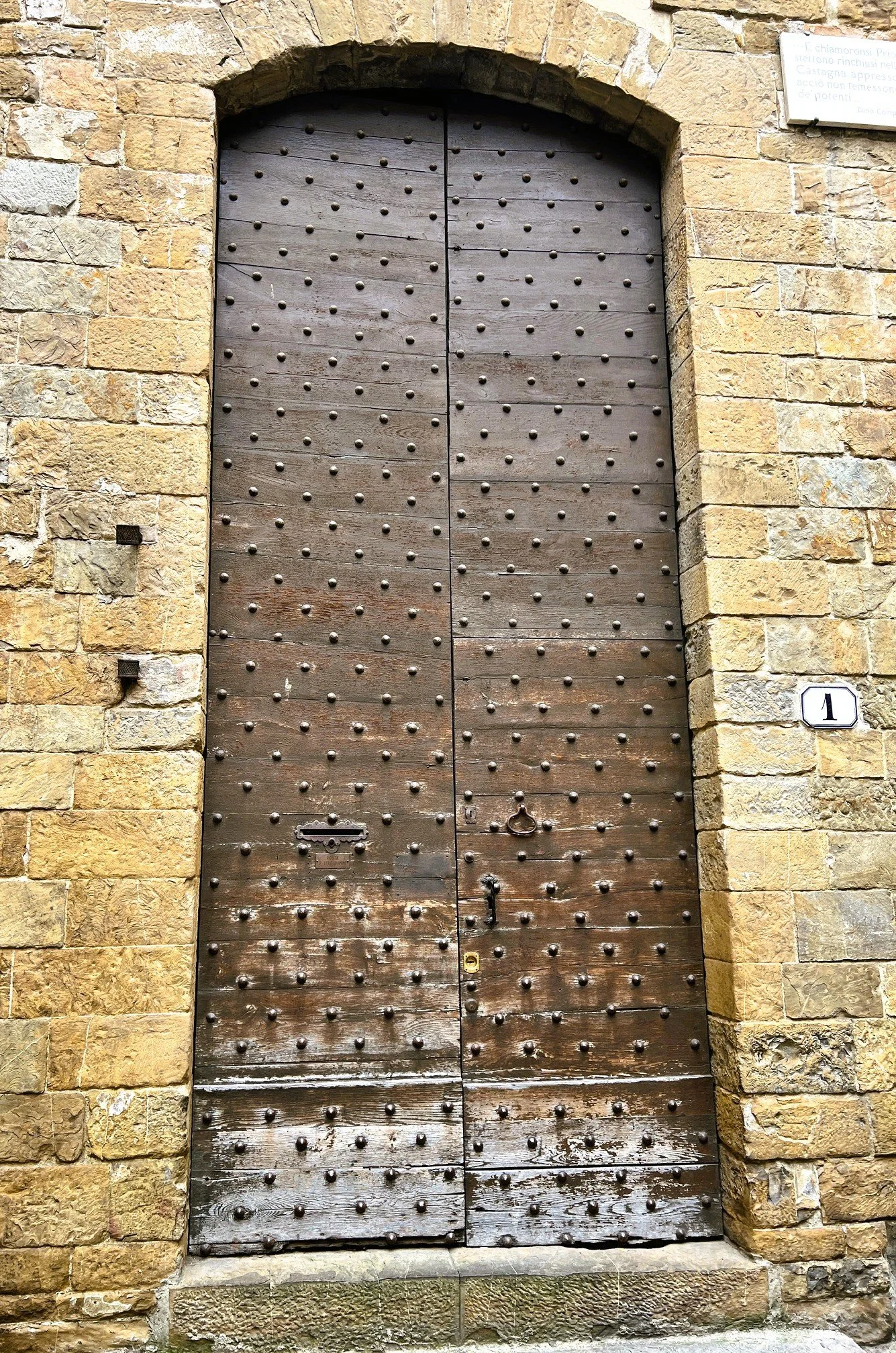
On my route, there are doors.
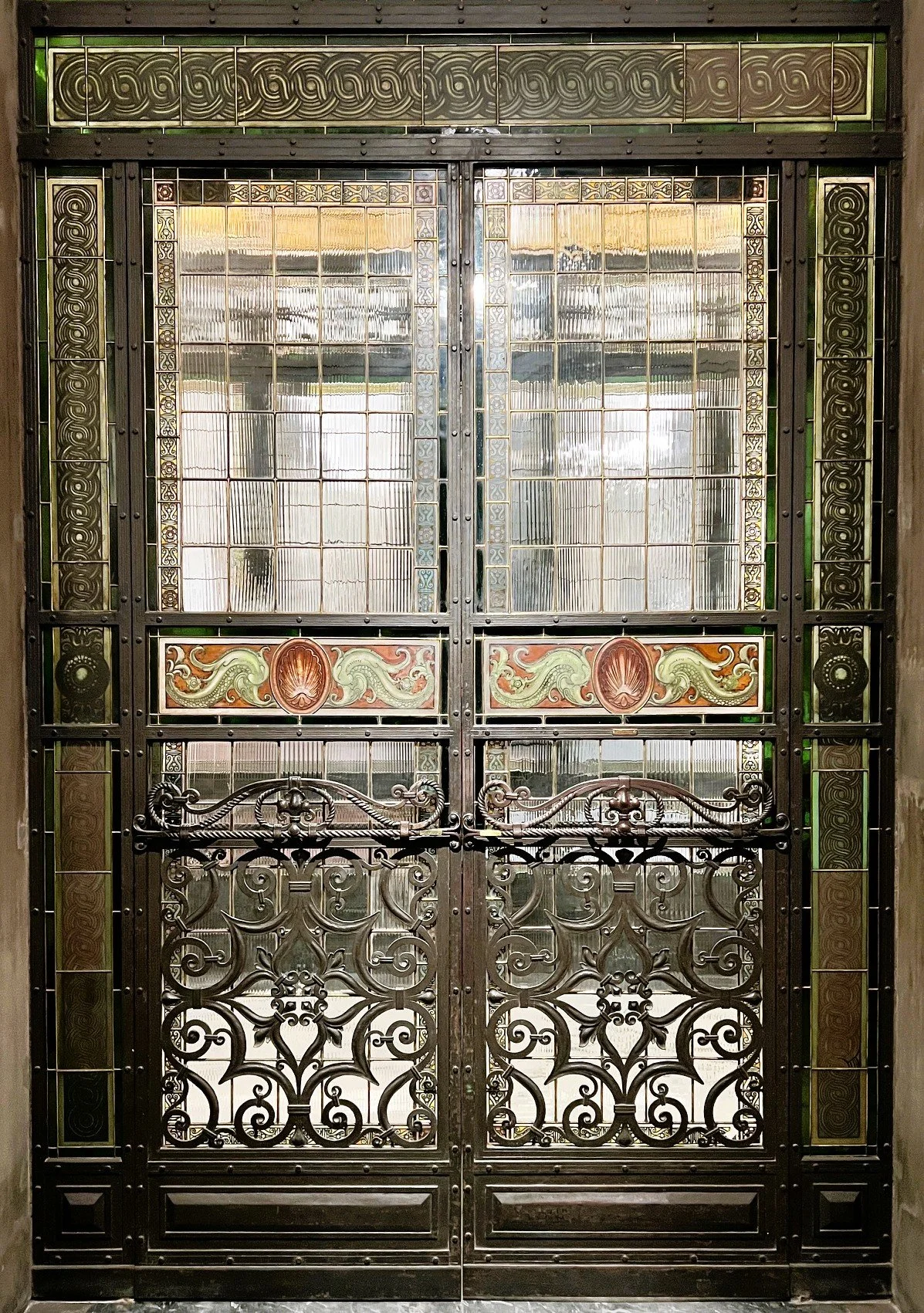
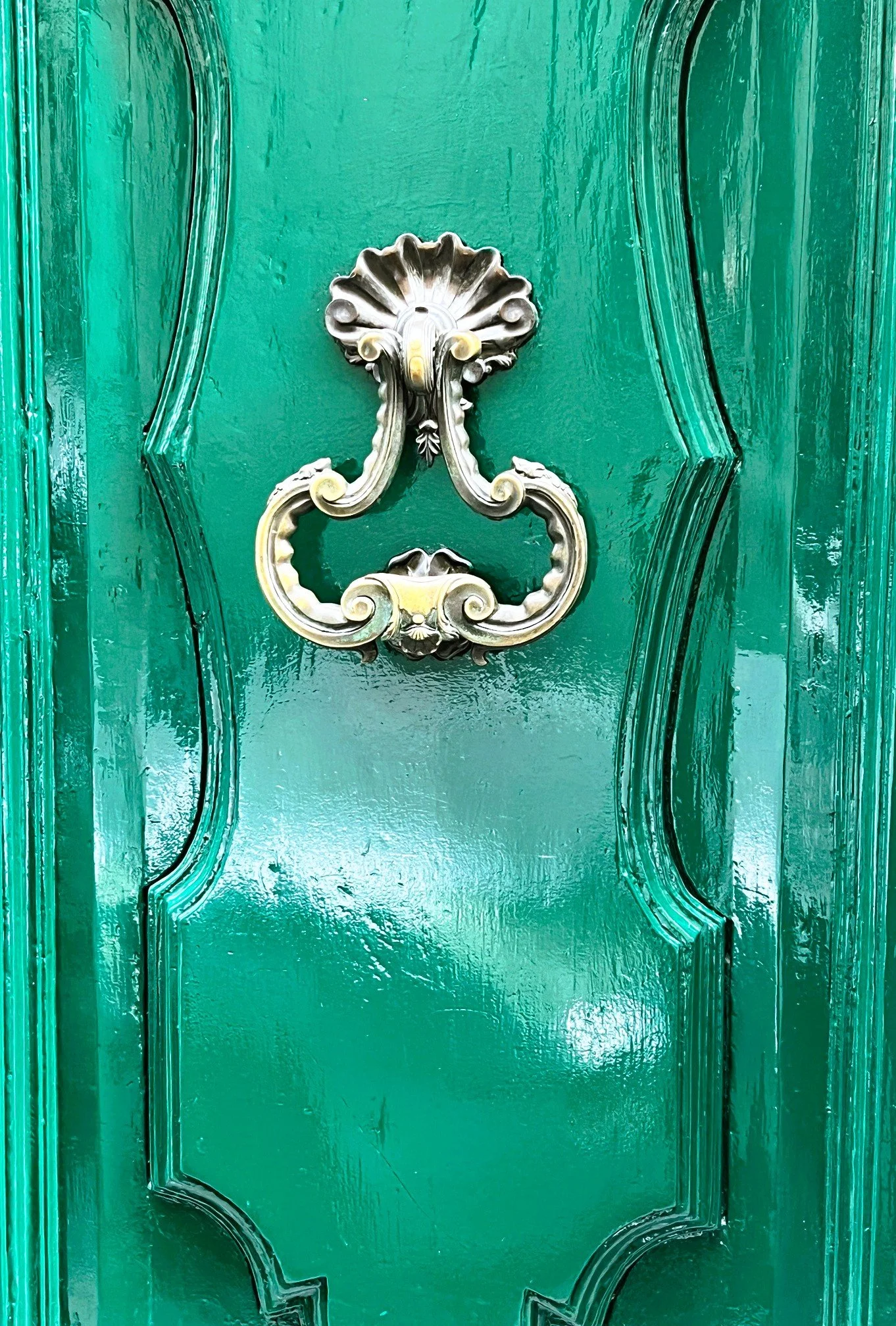
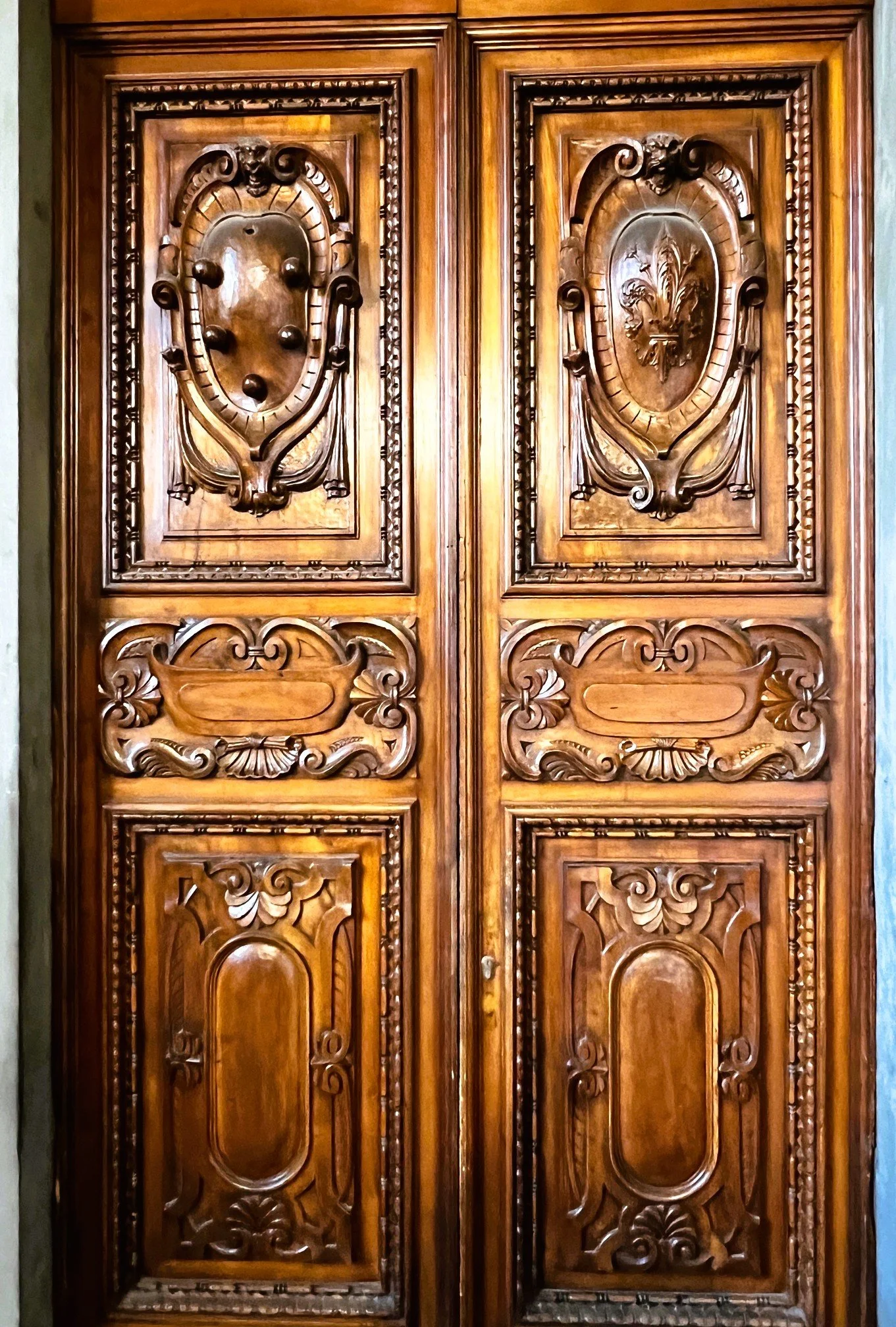
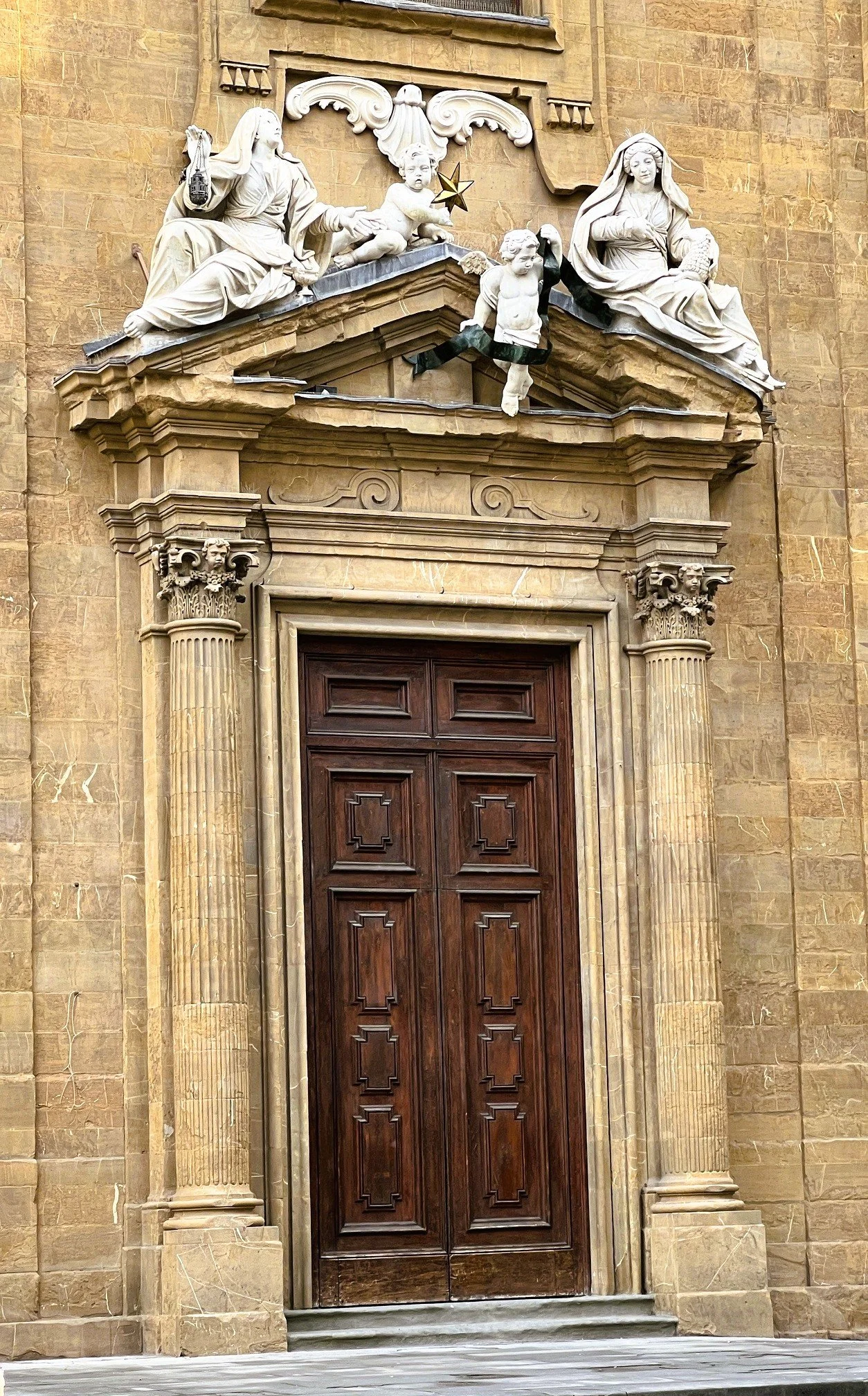
Entryways frame thick, sturdy wooden doors. Metal doors. Glass doors. Doors with bells, buzzers, knockers or nothing at all. Aged doors with peeling, flaking paint. New doors with gloss paint. Swinging doors, locked doors, revolving doors, double doors.
Doors with untold stories.
A drizzly rain shrouds the city. The evening converts to night, moonless. The smells and noises of commerce go into hiding. It’s as if a confessional curtain has pulled itself around me.
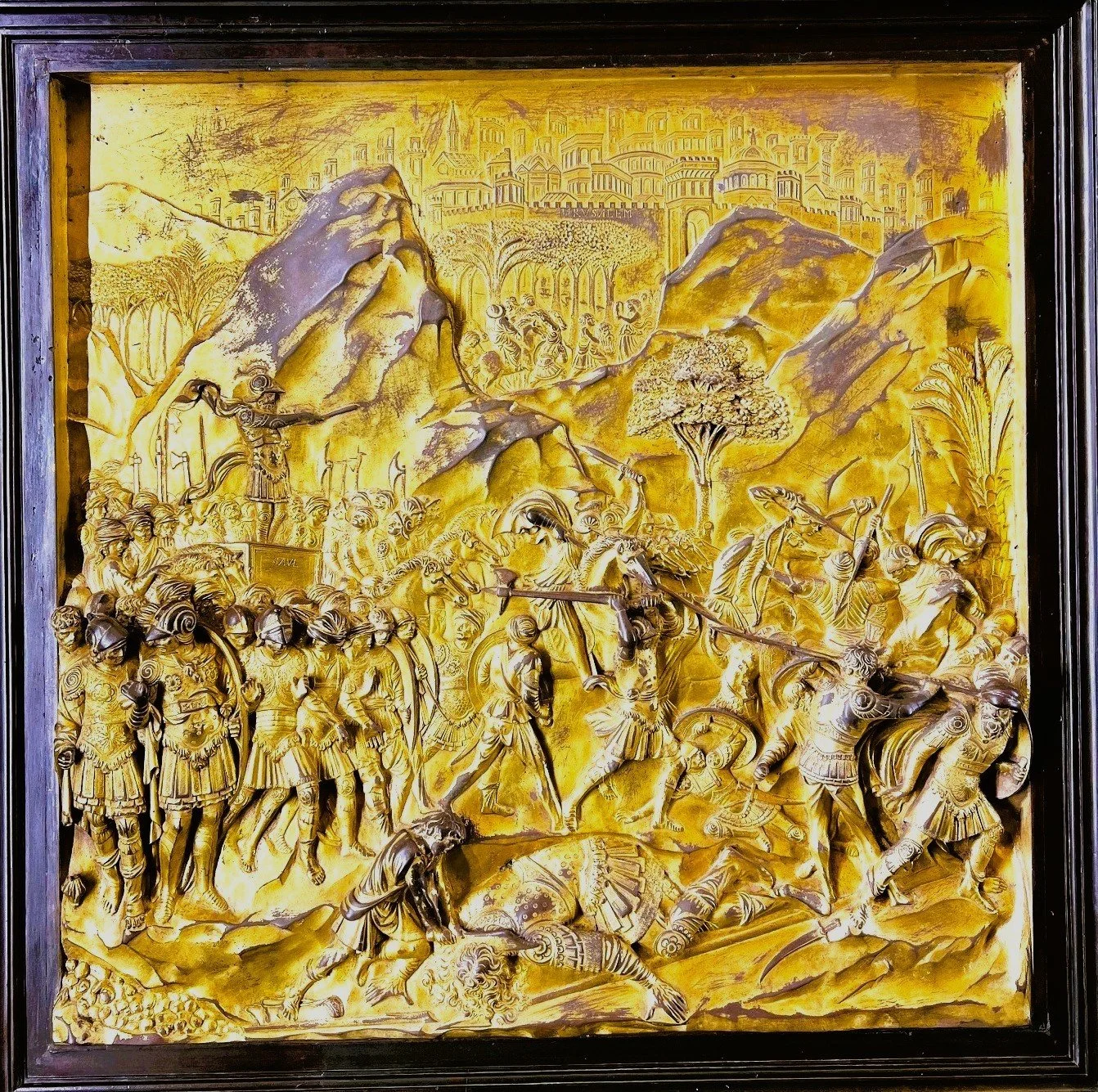
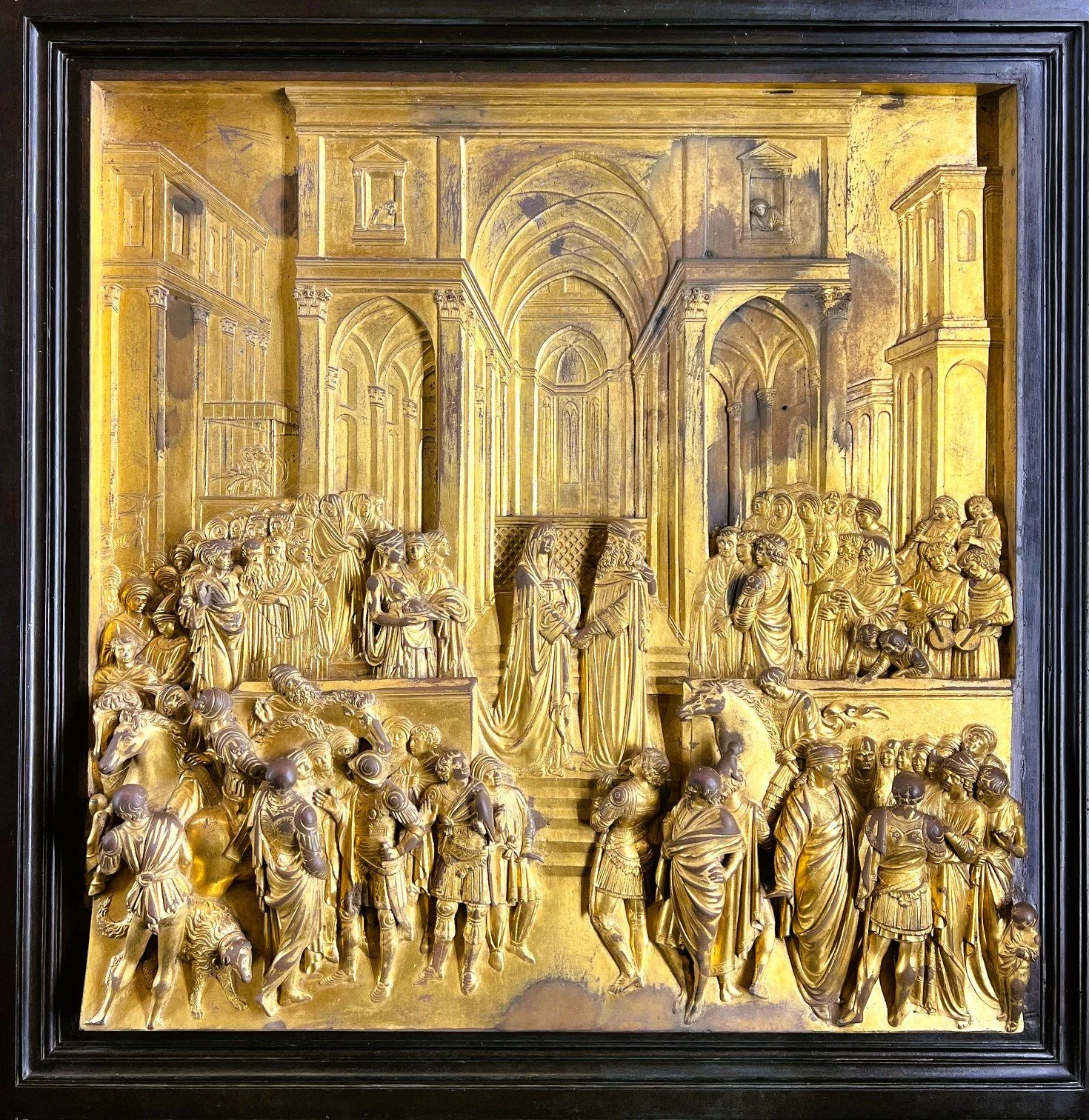
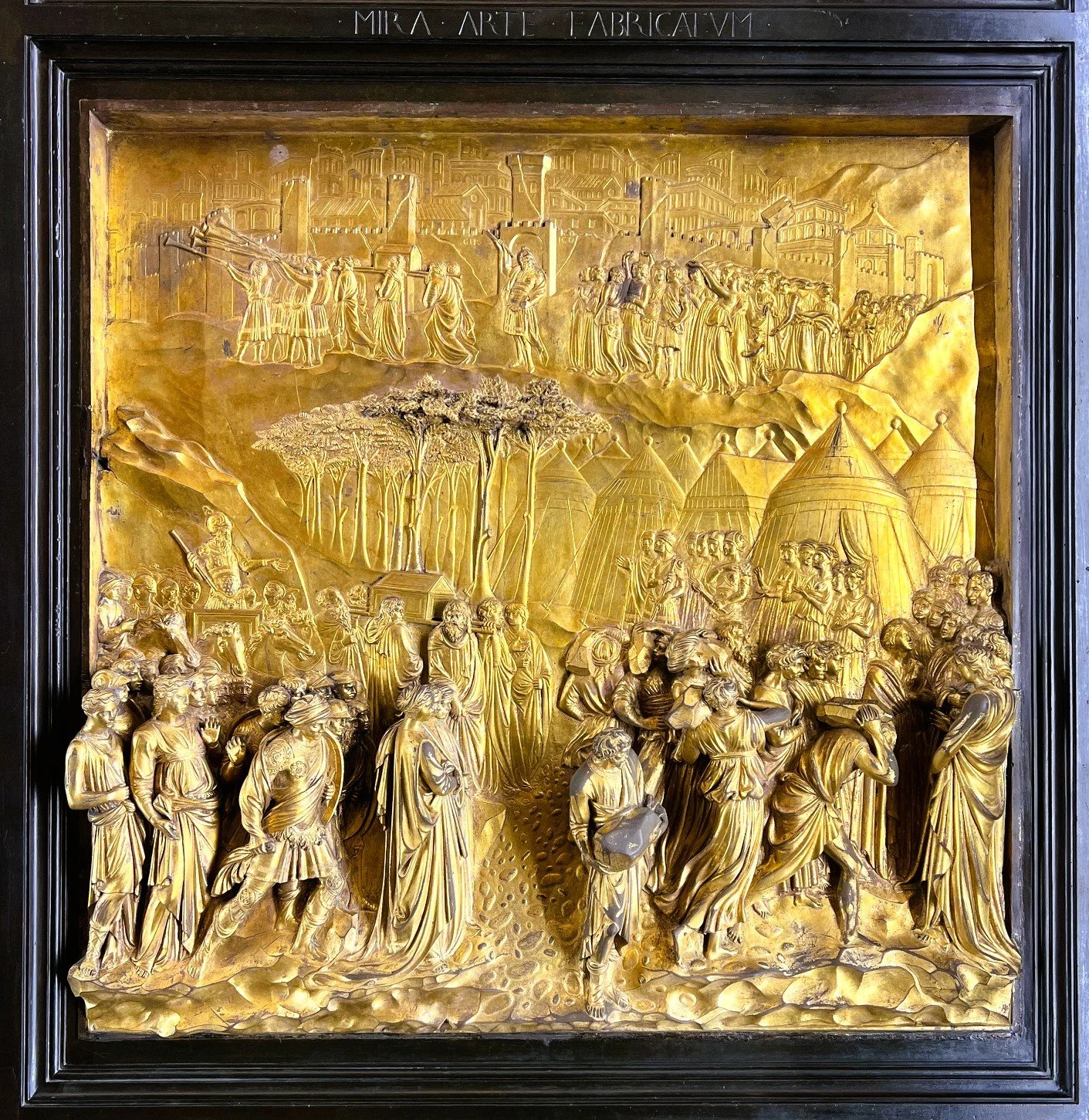
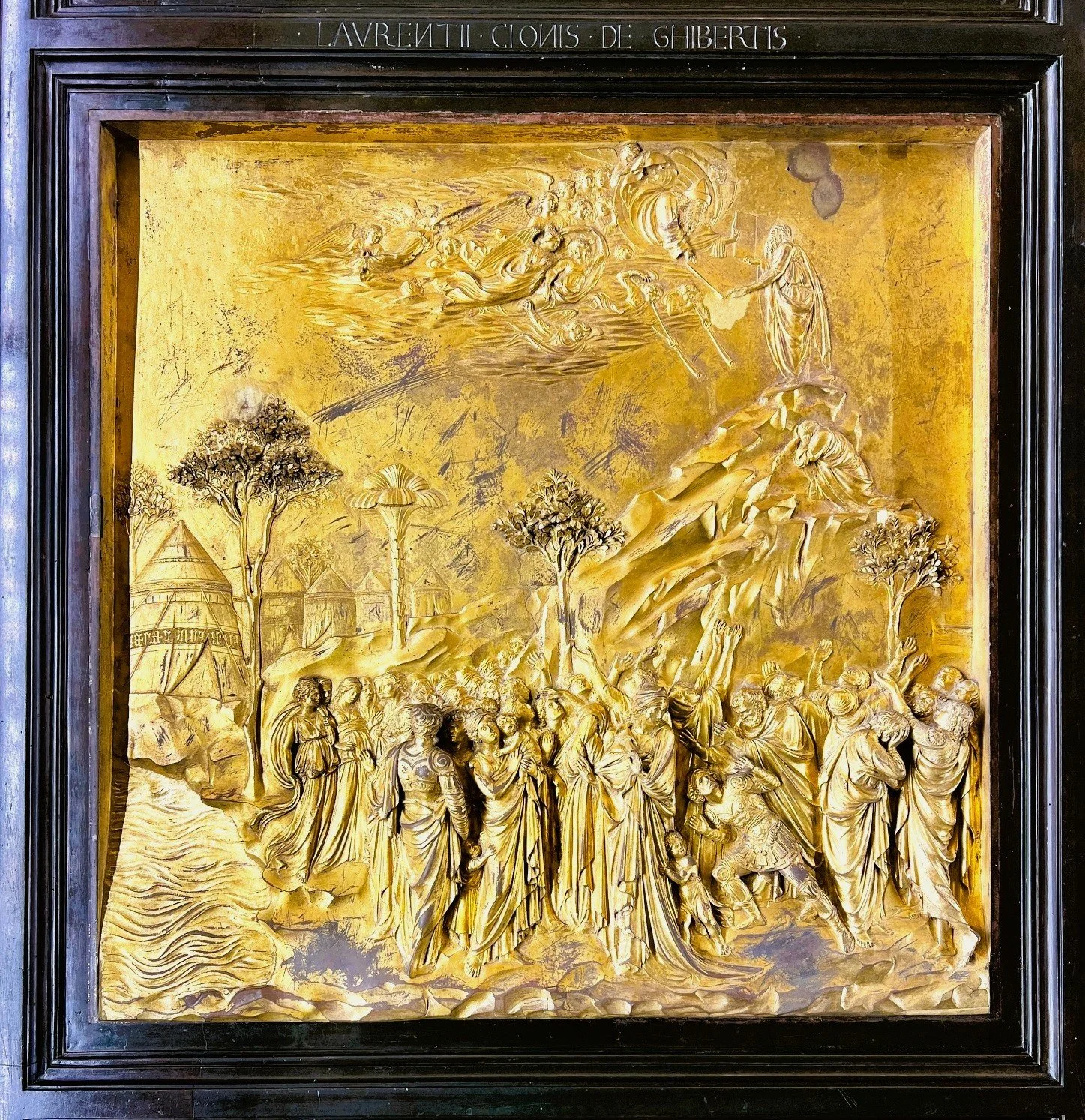
In the Piazza San Giovanni, I walk around the 15th century octagonal baptistry with the Doors of Paradise by Lorenzo Ghibert. They are divided into bronze panels depicting Old Testament stories. Young David defeating Goliath. A youthful Joseph being sold into slavery. Abraham pondering the sacrifice of his son Isaac.
No scene portrays rape.
I cross the plaza to the Duomo. The pavement is grimy with congealed gelato, sandwich wrappers, drips and drizzles from pizza slices. The detritus of tourism.
Unlike the stately cathedrals of Gothic Europe, the Duomo is tarted up with marble panels of white, green and pinkish red. The décor is more suited to the Moulin Rouge in Paris.
I can’t resist touching a doorknob. The heavy metal casting steadies me.
My stomach is a bit quivery. I’m clearing my throat as if to cough up an unpleasant memory.
One late evening, after too many Saturday night drinks, my college roommate Brian and I were cloistered in our dorm room, the door shuttered. With the world locked out, he unburdened himself of a long-sequestered secret. His body hunched over as if he were talking about someone else; I had to strain to hear him. He struggled to speak, as if his voice had been stripped from him.
When Brian was thirteen years old, his parish priest Father Gilroy unzipped Brian’s jeans.
My mouth dry and muted, I sinned against the most basic commandment of friendship. I said nothing. No words of support. No reassurance our summer road trip would not change.
Two days later, in the parking lot at A-I Auto Parts he swallowed a bottle of antifreeze.
At the inquest, no one, not even his family, wanted to hear his truth. I was his surviving suicide note.
The archdiocese’s lawyer threatened a defamation lawsuit. I locked myself behind a door of silence. Doors, I proved, are good at keeping people out—and keeping secrets in.
When a door shuts, I’ve heard people say another door opens. The door Brian opened was a coffin lid.
For every Florentine door I’m passing, I can only guess at the lives happening behind them. An amorous husband and wife disrobing. A well-loved child caring for a plush toy animal. A merchant counting the money he loves. An inventor in love with his creation. A lovesick teenager pining away.
A priest loving whomever is nearby.