Jonathan C. Lewis
Three Men
A fictional travelogue; three minute read.
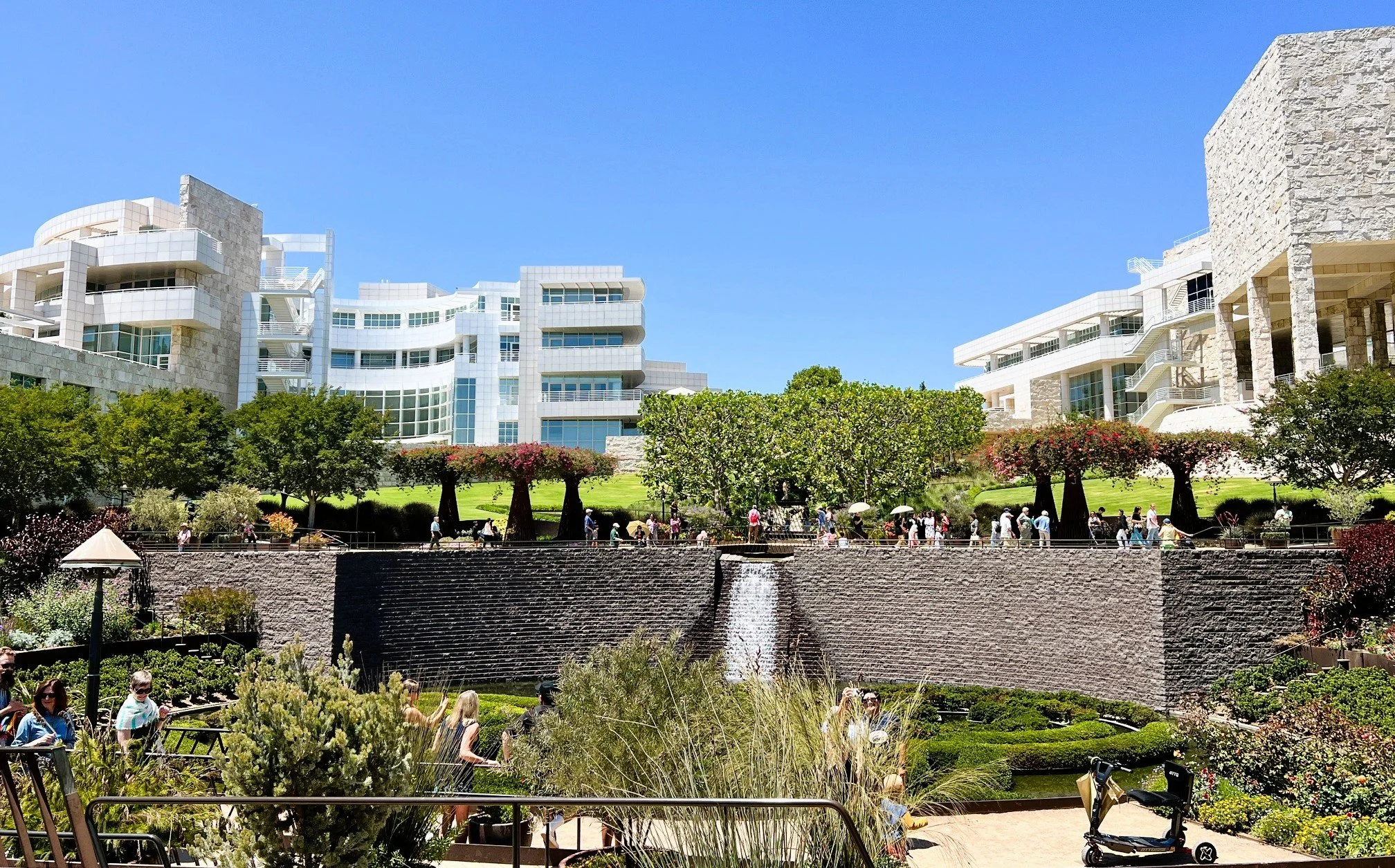
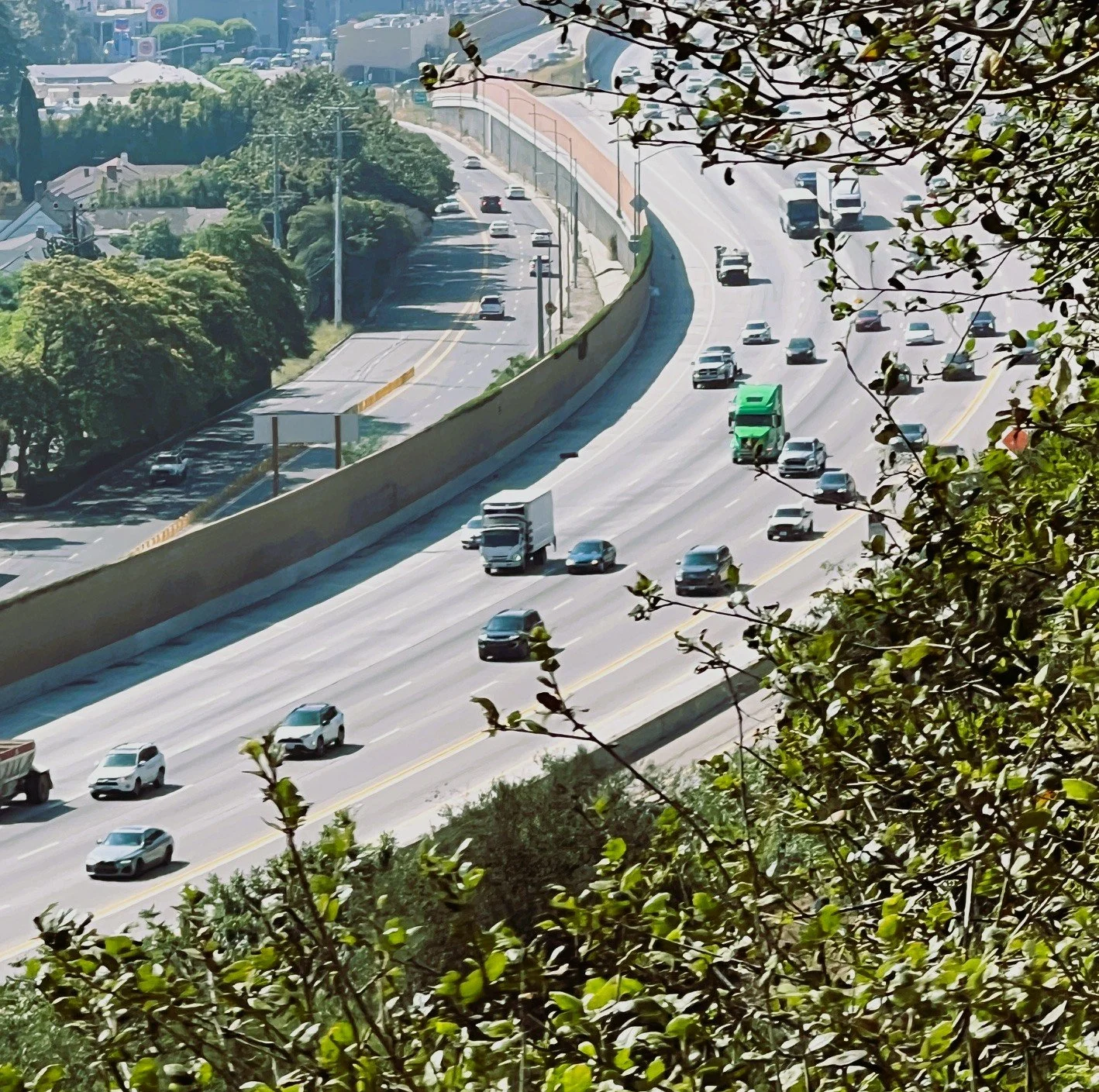
On a bluff overlooking two Los Angeles trademarks—urban sprawl and freeway congestion, I’m at the Getty Museum scouting out a field trip for my high school history class. Bouncing off the beige travertine stone and white enamel paneling, the blazing Hollywood sun makes my eyes squint—as if I’m reeling from a concussion.
My dad’s whispering voice is in my head. He’s been dead for years. I’m so relieved, thrilled actually, that he’s not around to read this morning’s Los Angeles Times headline. In my hotel lobby, it screamed, “Trump Makes $2.2 Billion First Year in Office.”
The story exposed how Trump’s degenerate greed is mining governmental power to fill his personal coffers. “A crook,” that would have been dad’s simple verdict. Without a day of formal education in philosophy, economics or government, he was an expert on fairness and common sense.
The Getty is the perfect venue for teaching about what psychiatry in the 19th century called ‘moral insanity.’ I’ll start with the environmental history of America, then compare J. Paul Getty with President Trump.
From watching a rerun of An Inconvenient Truth in class, my students already reject the oil industry as the ulcerous history of humans fucking over their planet for profit. As Johnny concluded in his essay, “It’s like humans are cockroaches building cockroach traps for themselves.”
In my ear, dad is arguing back, “But we needed petroleum to propel industry, railroads, shipping, automobiles, to power the good life, to win World War II.” Back then, my dad did not even know the word eco-activism existed because, as I will announce in class, it didn’t.
My dad would have called Getty ‘a big man.’ He was the wealthiest American of his day, an oil tycoon worth $24 billion in today’s dollars.
In the miniature exhibit room inside my skull, my dad is saying, “No one is perfect and no one is completely imperfect.” He recognized, even respected, that the nation’s father figures—presidents to male movie stars, war heroes to entrepreneurs—weren’t static avatars passively awaiting the judgment of history. Getty, I have to remember to tell my students this, studied classical literature, collected art, spoke seven languages.
During the Great Depression my dad hard-worked his way into the middle-class. Until his last day, he stockpiled string, rubber bands, bent nails, old jars in the attic. “I never escaped the fear of poverty,” he once admitted to me.
A walk with my dad meant watching him pick up grimy copper pennies from the gutter. When my dad read that Getty was so stingy he once installed payphones in his house, he smiled knowingly.
Today’s billionaires—men with cracked souls, my dad’s voice again—hold more wealth than the Carnegies, Medicis and Egyptian pharaohs combined. Meanwhile, fifty-three million working Americans—childcare workers, maids, cashiers, waiters, parking lot attendants—earn less than the poverty threshold for a four-person family.
His deep brown eyes misty, in his soft everyman tone my dad would conclude, “It’s not right.”
My dad hoarded money to keep his wife and kids out of poverty. Getty used wealth to endow a hilltop acropolis holding 125,000 art treasures. Trump builds copycat golf courses for the ultrarich and glues gold geegaws around the Oval Office.
My students can judge for themselves.