Jonathan C. Lewis
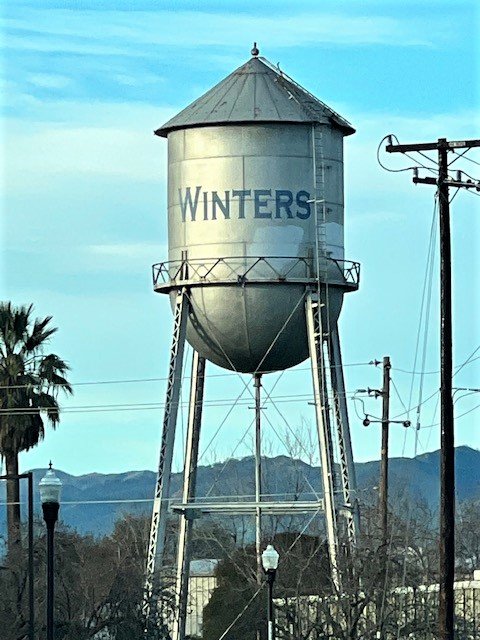
Wintery Winters
A fictional travelogue; three minute read.
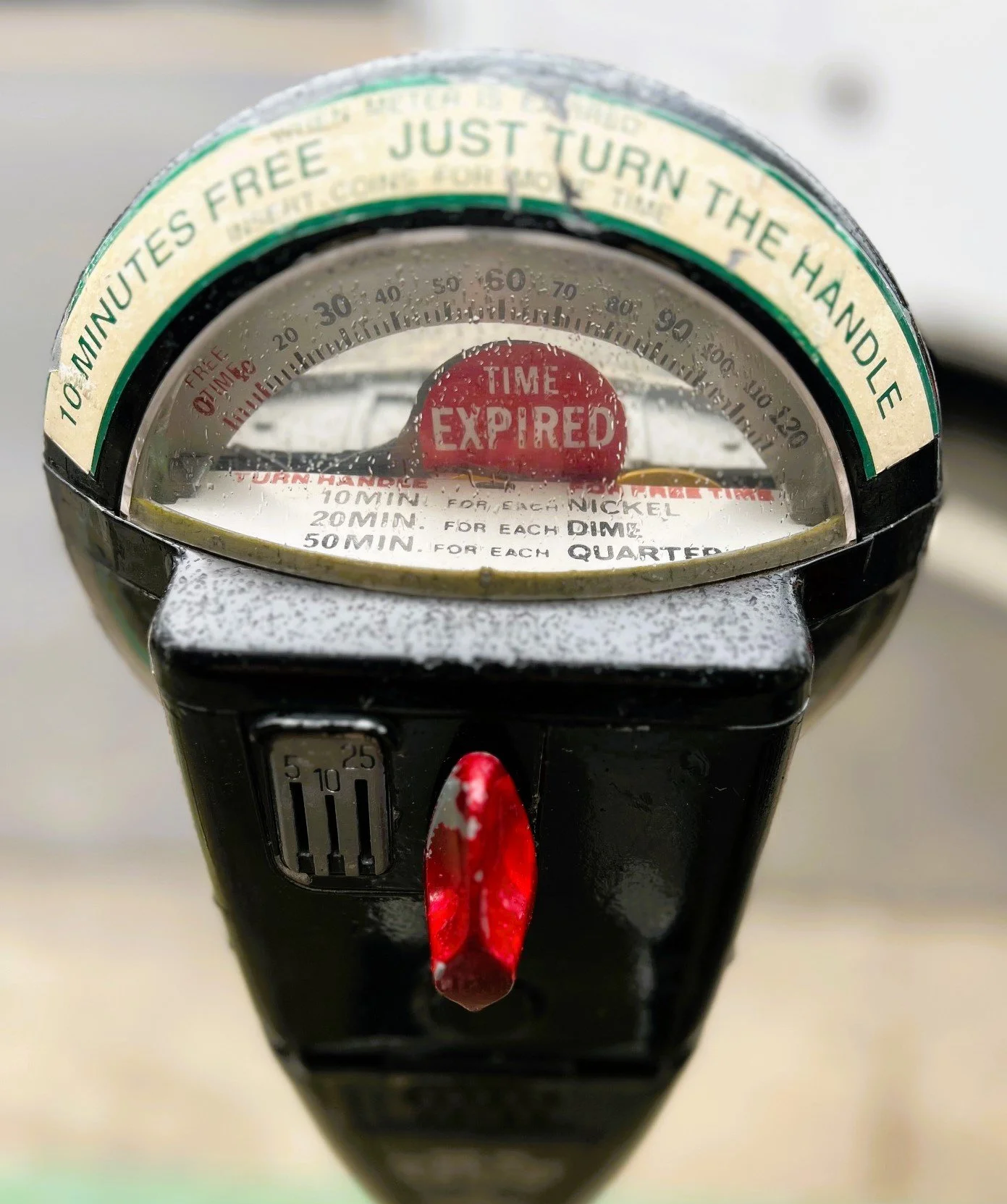
Downtown Winters, California, has one, and only one, metered parking space. Originally put there by a prankster, it collects around $100 a year. The money helps finance the town’s July Fourth fireworks.
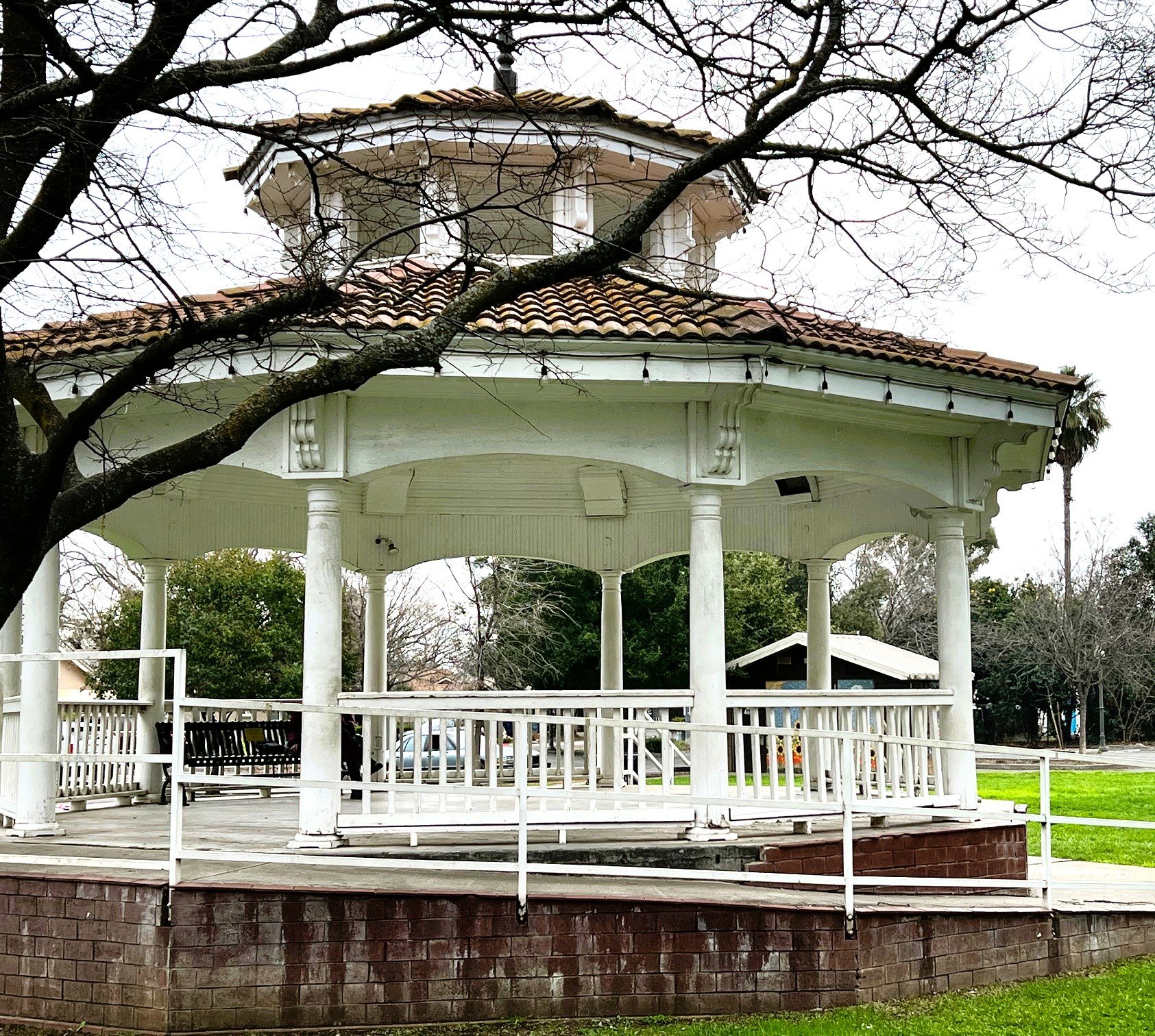
The celebration occurs in the town square around a Victorian-style gazebo. Storefront facades are turn-of-the-century ornaments. Bands play a medley of American military marches and mariachi music.
I’m on a road trip to visit the hidden parts of California. In Winters, I’m as much an outsider as if I were in Wuhan or Warsaw.
I teach history. My D-Day descriptions come off more vividly because I’ve been to the beaches of Normandy, so my hope is to spice up my California history talks with a few firsthand accounts.
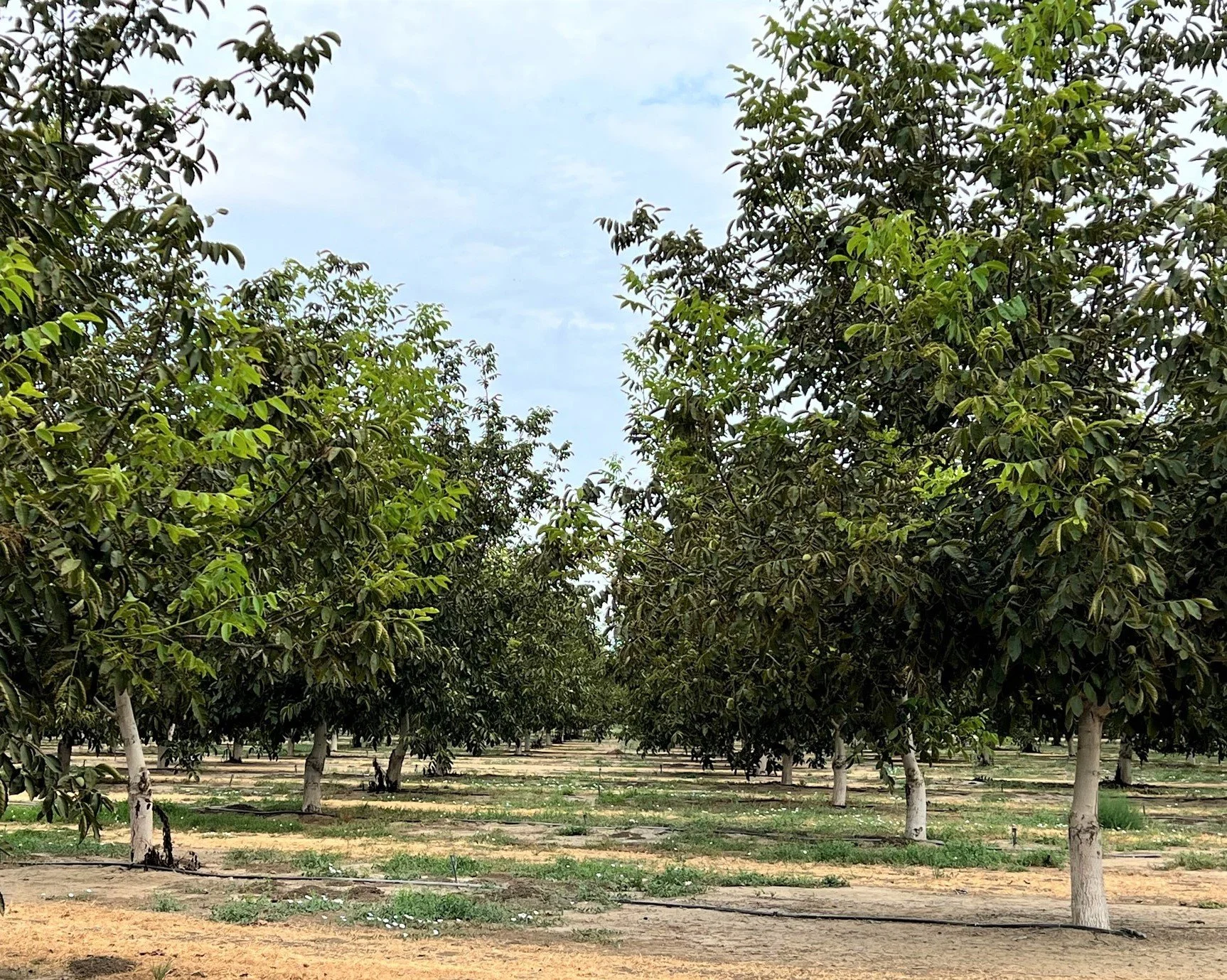
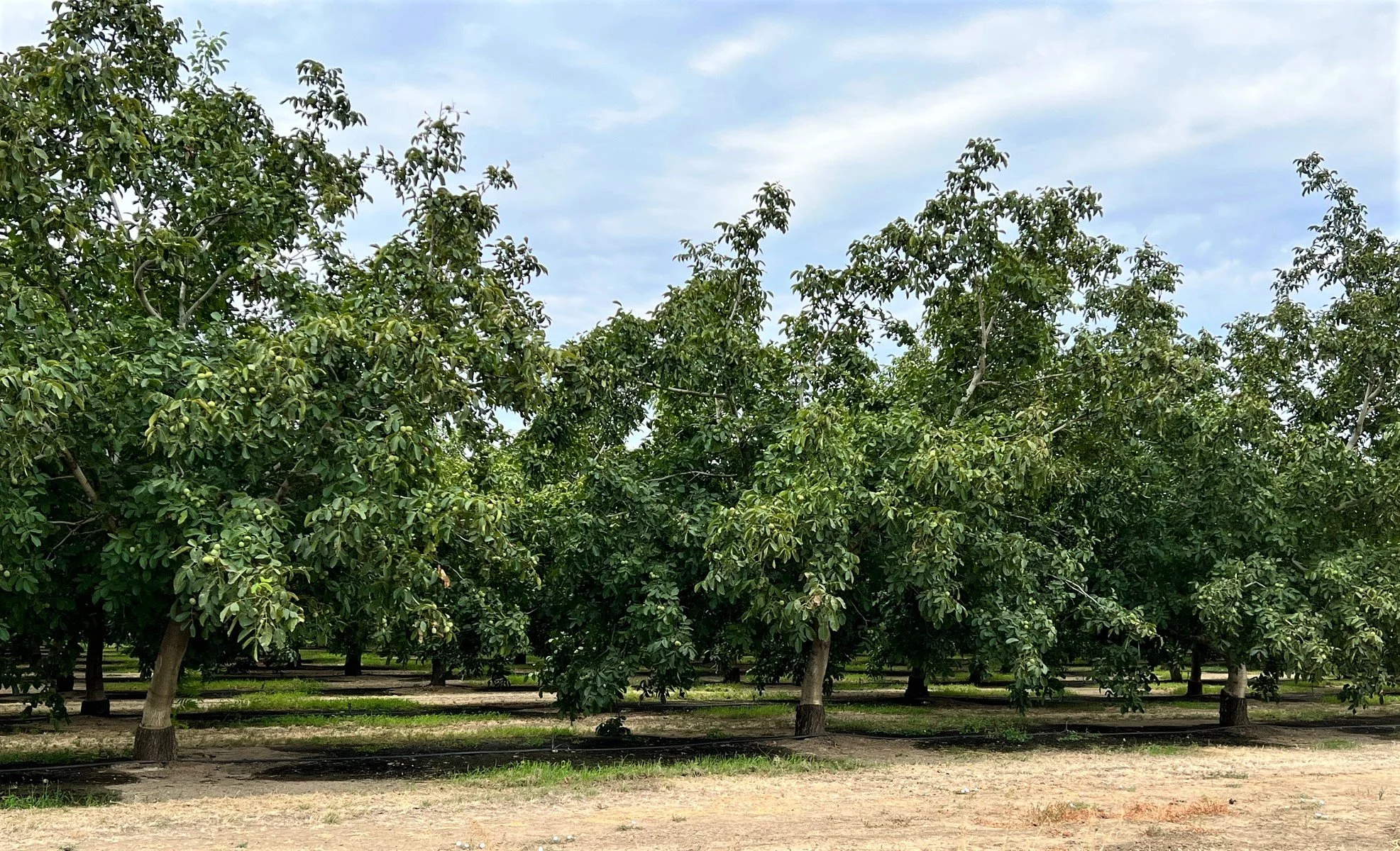
Beyond the borders of its big cities, California is agricultural. Seventy-seven thousand farms grow four hundred commodity crops. Barns, silos, tractors, harvesters, combines are sprinkled like loose confetti over one-fourth of the state.
California is farmers and farm workers. And farm towns like Winters.
Men wear boots, blue jeans, flannel shirts and ruddy complexions the texture of tree bark. Muddied pick-up trucks ride on rutted roads. Bars come with jukeboxes and dartboards. Saturday night dinner means a steakhouse.
The town population is as evenly divided as a checkerboard—half white, half Hispanic. From Jack to José, everyone knows everyone else’s first name.
On calm, blue-sky days, hot air balloons packed with tourists from the wine country cast bulbous shadows over yellowy fields of sunflowers. The sightseers never see the skin colors of the farmhands who grow their food and raise their meat.
On a frosty January morning, my shoulders are hunched against the cold. A few leaves cling valiantly to the trees. I pull my scarf tight around my neck.
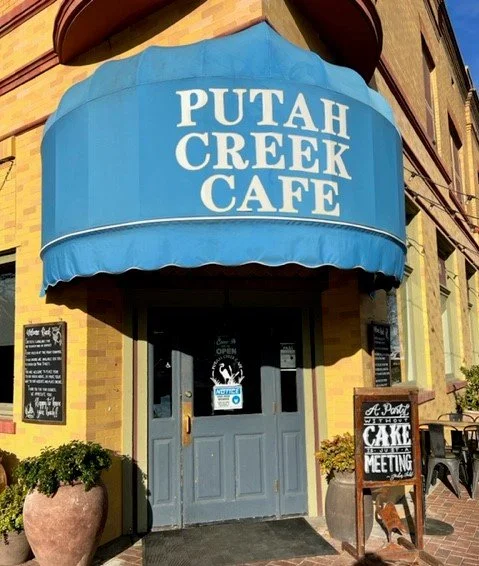
Inside the Putah Creek Café, a waitress with shiny black hair and dark eyes smiles a warm welcome. Interchangeably, she calls me honey or guapo. Sometimes, Mr. Guapo.
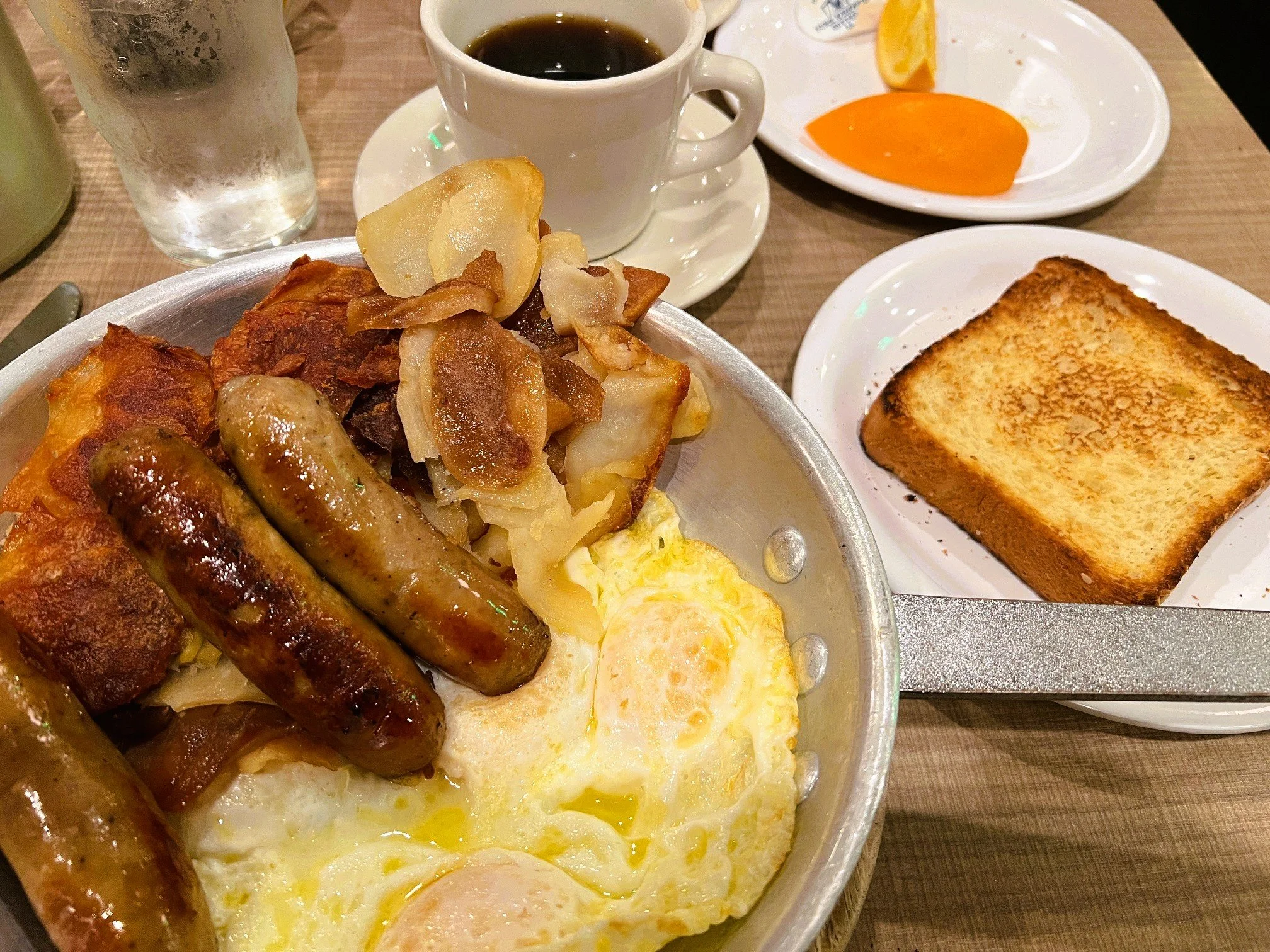
She pours a steaming cup of coffee. I order two fried eggs with golden yolks. Hash browns. Sourdough toast drenched in butter. Sizzling, peppery sausages.
Another woman, also Hispanic, brings the food to my table. She’s not much older than my high school students. She could be enrolled at the local community college.
She is silent to the point of being rude. Watching her move from table to table, she reminds me of a former student—timid, always sitting in the back row. For a class assignment writing their own histories, she described herself like a brown bunny in a field, safely keeping her distance.
To my young server, every new-to-town male must seem an active threat, potentially a federal ICE agent. Another hurdle as she earns money for her college books. Maybe her parents are undocumented—an even bigger fear.
In her guarded demeanor, she brands me a man at a time when government-paid predators—all of them males—are kidnapping people from their places of work, their homes, everywhere and anywhere.
My stomach is churning. My appetite gone.
My waitress brings me the bill. She nods towards the younger woman who, back behind the counter with her co-workers, is animated, speaking Spanish. “She’s new and nervous,” my waitress whispers.
For a tip, I leave a five-dollar bill and a wallet-sized English and Spanish Know Your Rights card.
W