Jonathan C. Lewis
The Road to Dougga
A fictional travelogue; three minute read.
My day is unfolding like a progressive dinner party, sampling one culinary delight after another. Food culture, I tell my high school students, as much as museum art, towering cathedrals, grand monuments and battlefields is history too. If I’m wrong, I’m having tasty time discovering my error.
In Tunis, the lunch starter was brique—a scrumptious local delicacy akin to a golden fried, half-moon-shaped pop tart filled with raw egg yolk, lamb, parsley, capers, onions, potatoes. The trick is to nibble it around the edges in a way that keeps the yolk from running onto my plate or down to my elbows. At every meal, I could happily order brique for my appetizer, entrée and dessert.
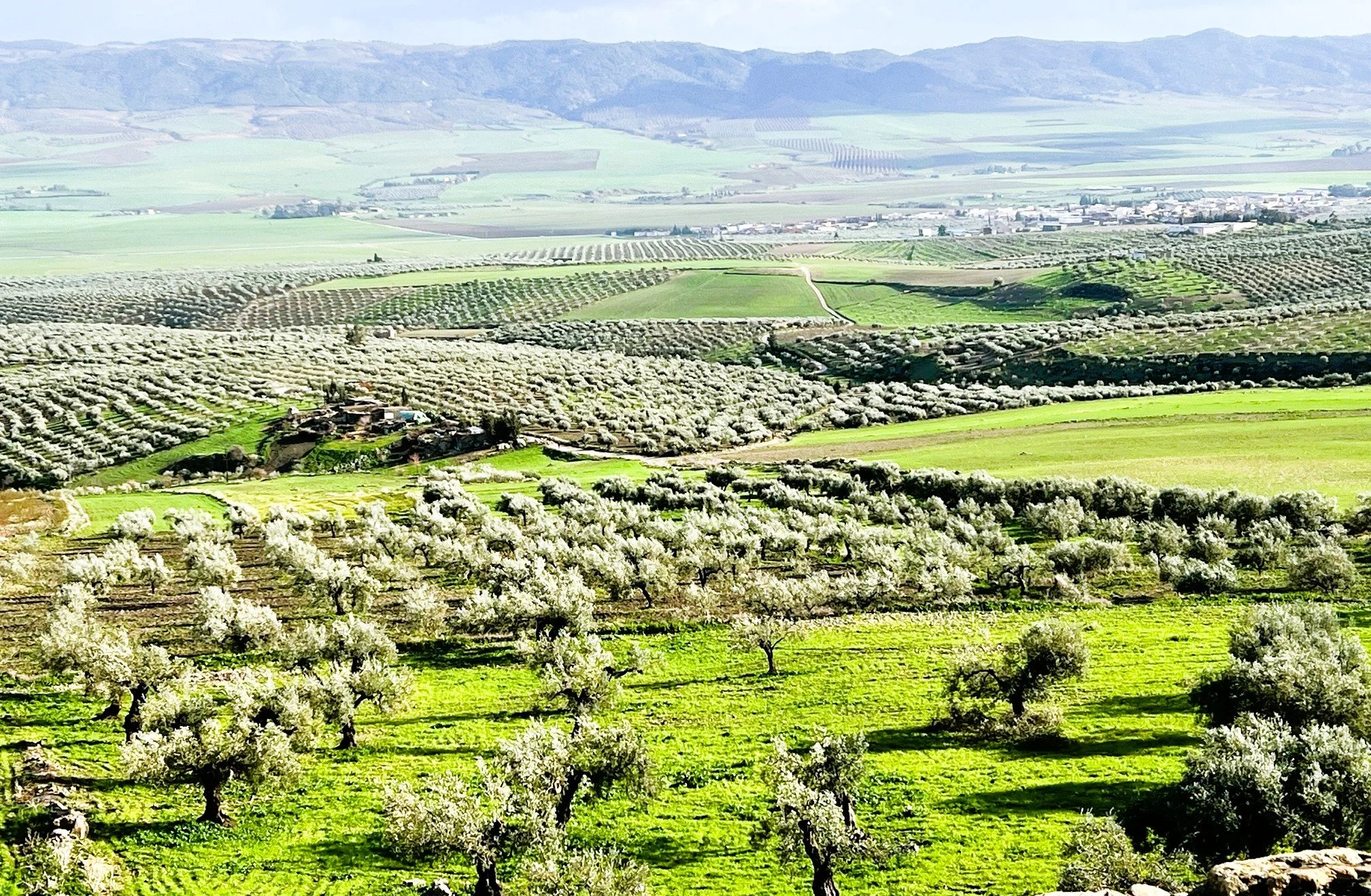
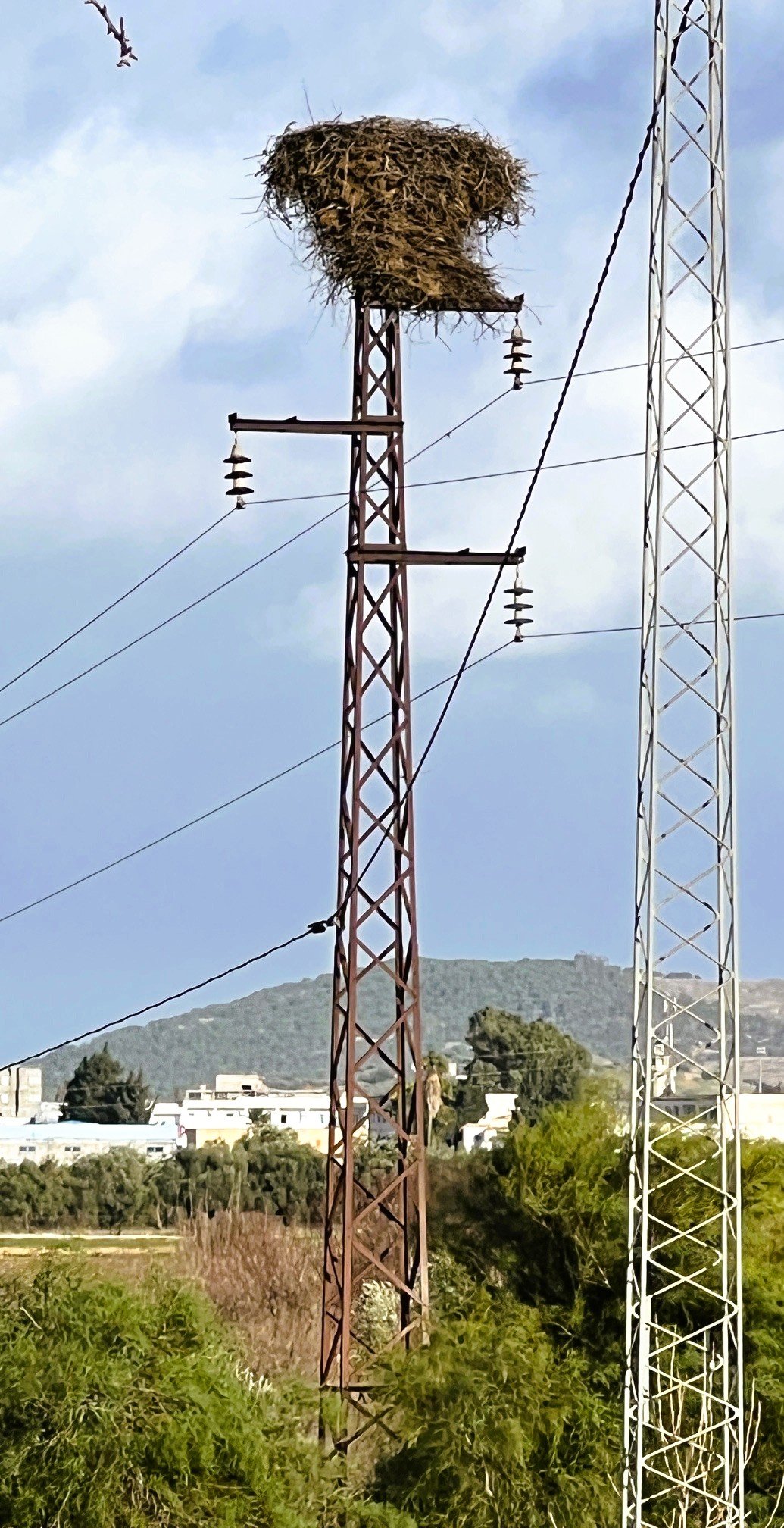
Leaving the city, on the way to Dougga, driving in the foothills of the Altas Mountains, the two-lane road plows past pastoral ag lands, goat herds mowing grassy fields and electric towers with white storks nesting on them. Groves of olive trees cultivated by the Romans march up and down gentle slopes.
The white and beige towns are straightforward, practical. Simple houses, a general store, a lone minaret, one schoolhouse, a cemetery. A mix of ancient stone farmhouses and mechanized farm equipment journey across my windshield—a sign Tunisia is modernizing and profiting from its new democracy.
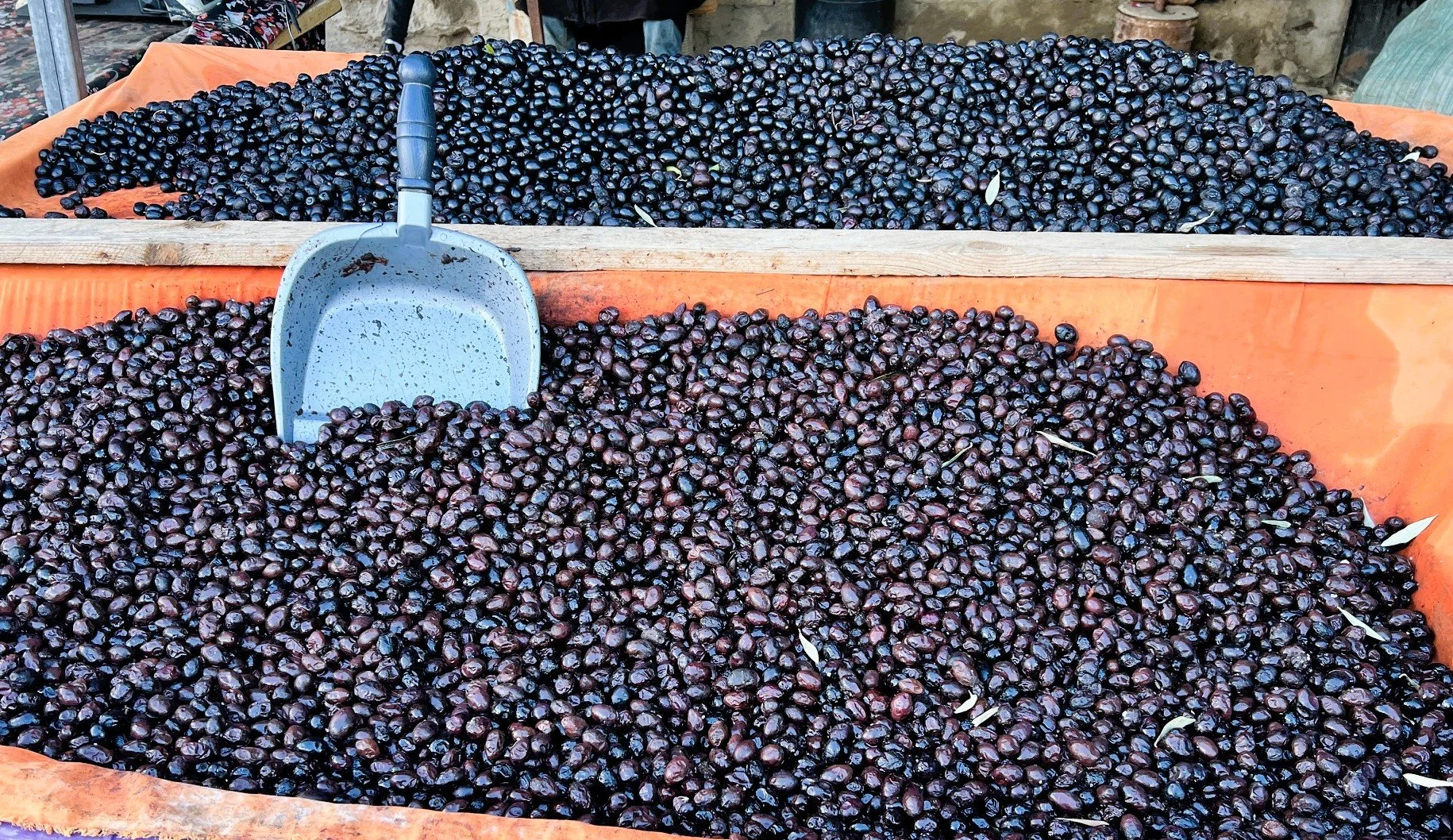
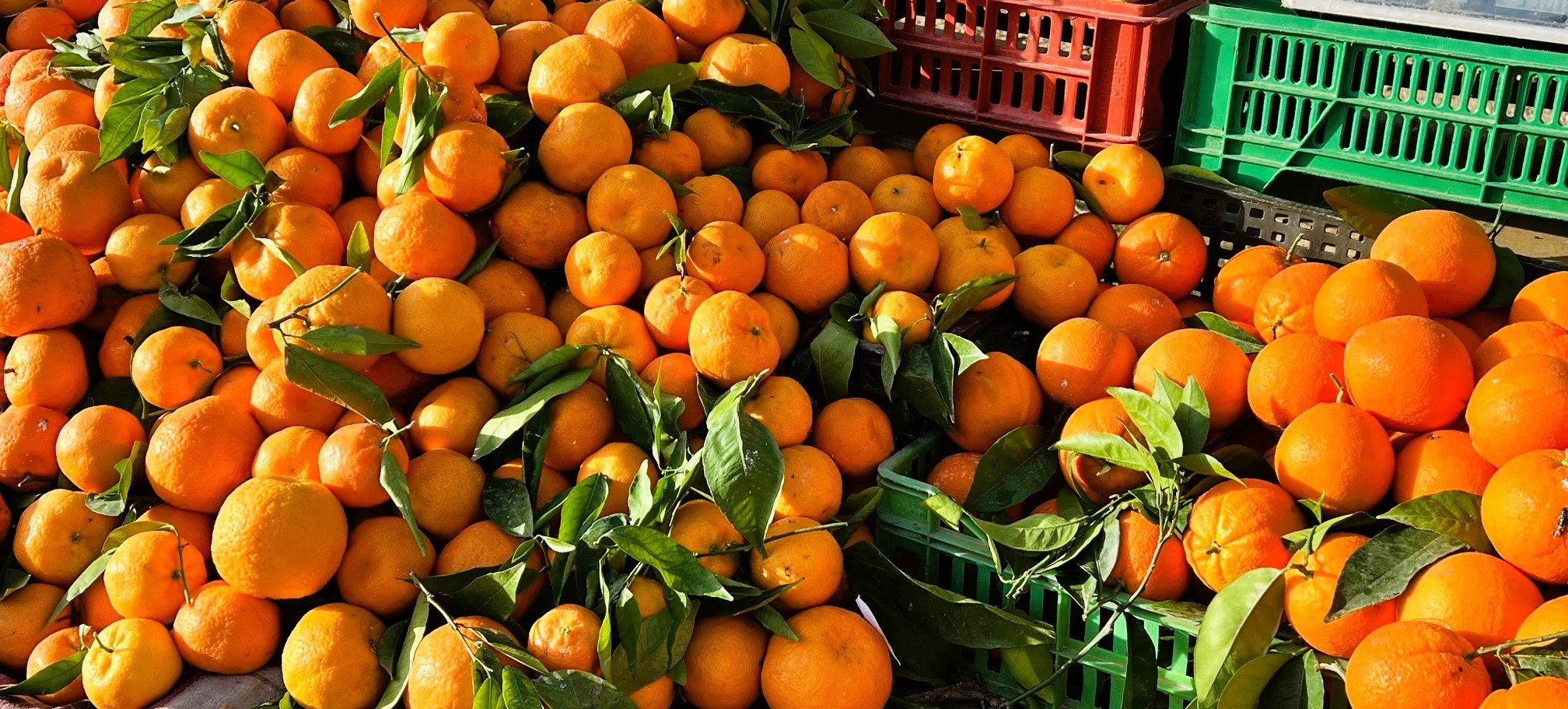
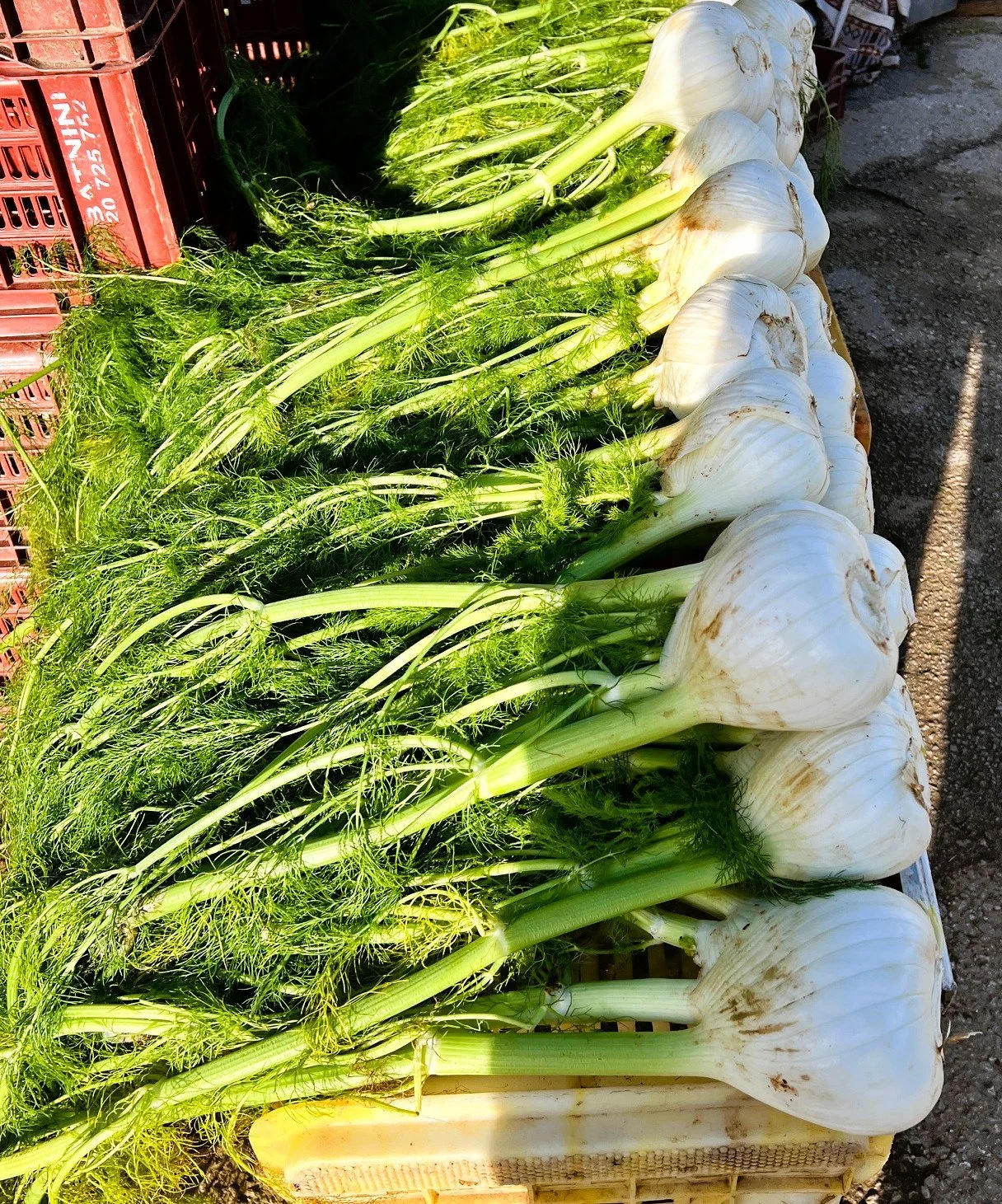
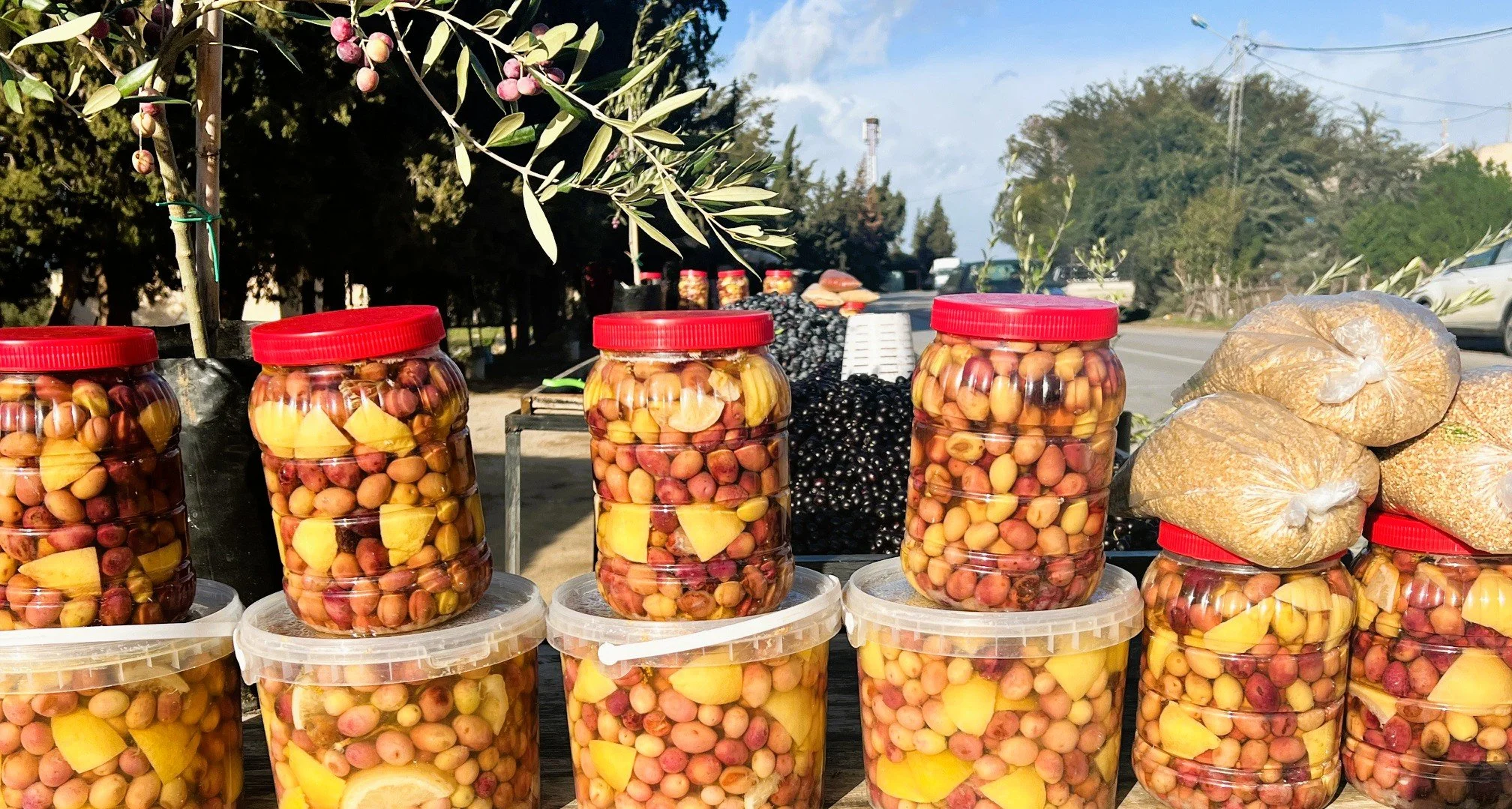
Roadside stands—often nothing more than a worn blanket spread out on the dirt shoulder—sell oranges, leeks, dates, honey, eggs, wrinkly black olives by the bucketful, olive oil in recycled gallon jugs, pickled vegetables, grilled meats. Here and on the ragged edges of cities and towns around the world, survival commerce finds a way to feed people.
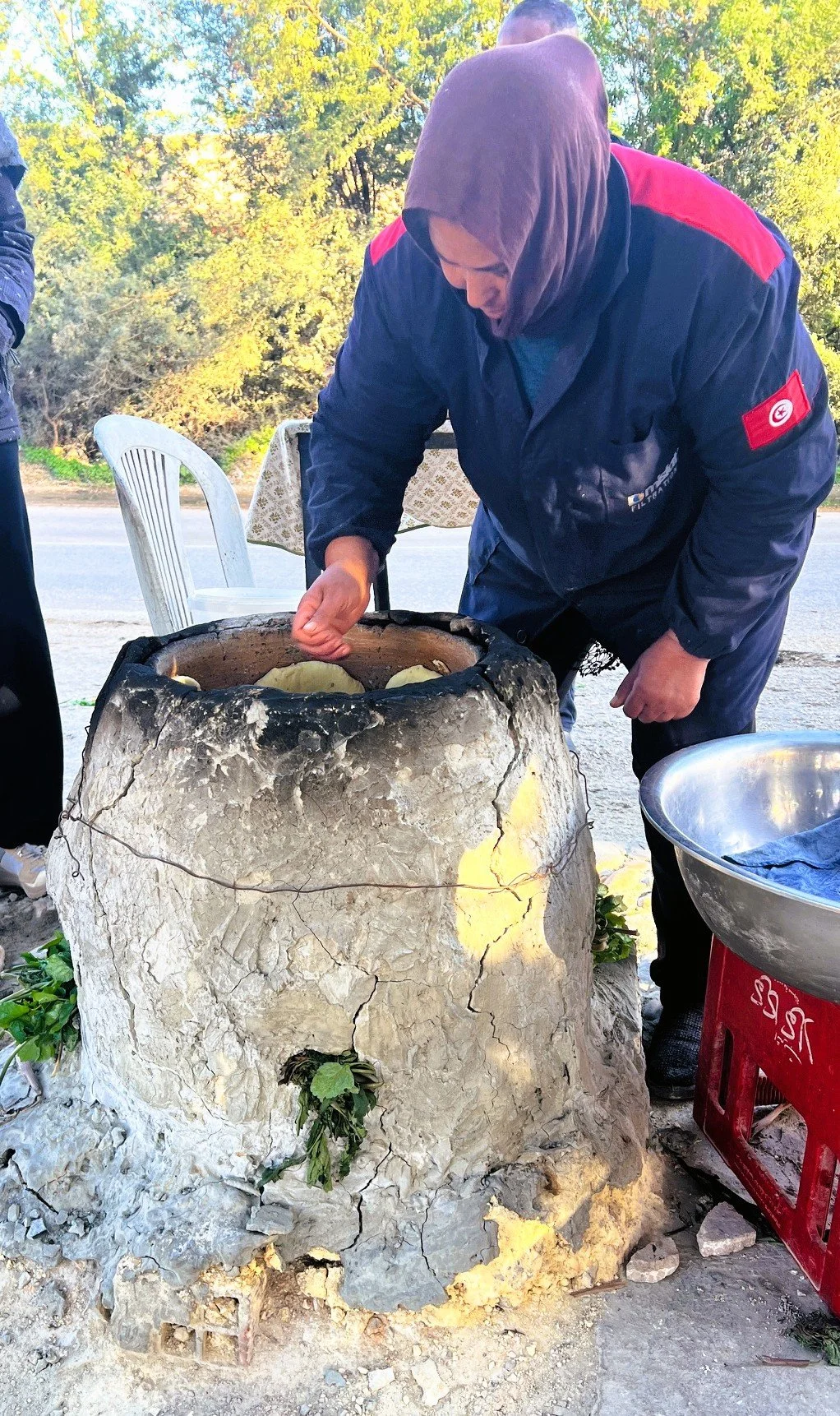
I pull over to check out a crowd of a dozen local men standing around an elderly woman baking bread. No one interrupts as she works—quickly, silently—hunched over an outdoor oven. I am the only Caucasian in sight.
From the corner of her eye, she sees a middle-aged American dressed in blue jeans and a white tee shirt. I’m an outsider. Neither shunned nor welcomed.
Travel requires doing what my mother told me never to do: talk to strangers. Because I speak neither Arabic nor French, I pantomime. Somehow, I get across the idea that I’m hungry.
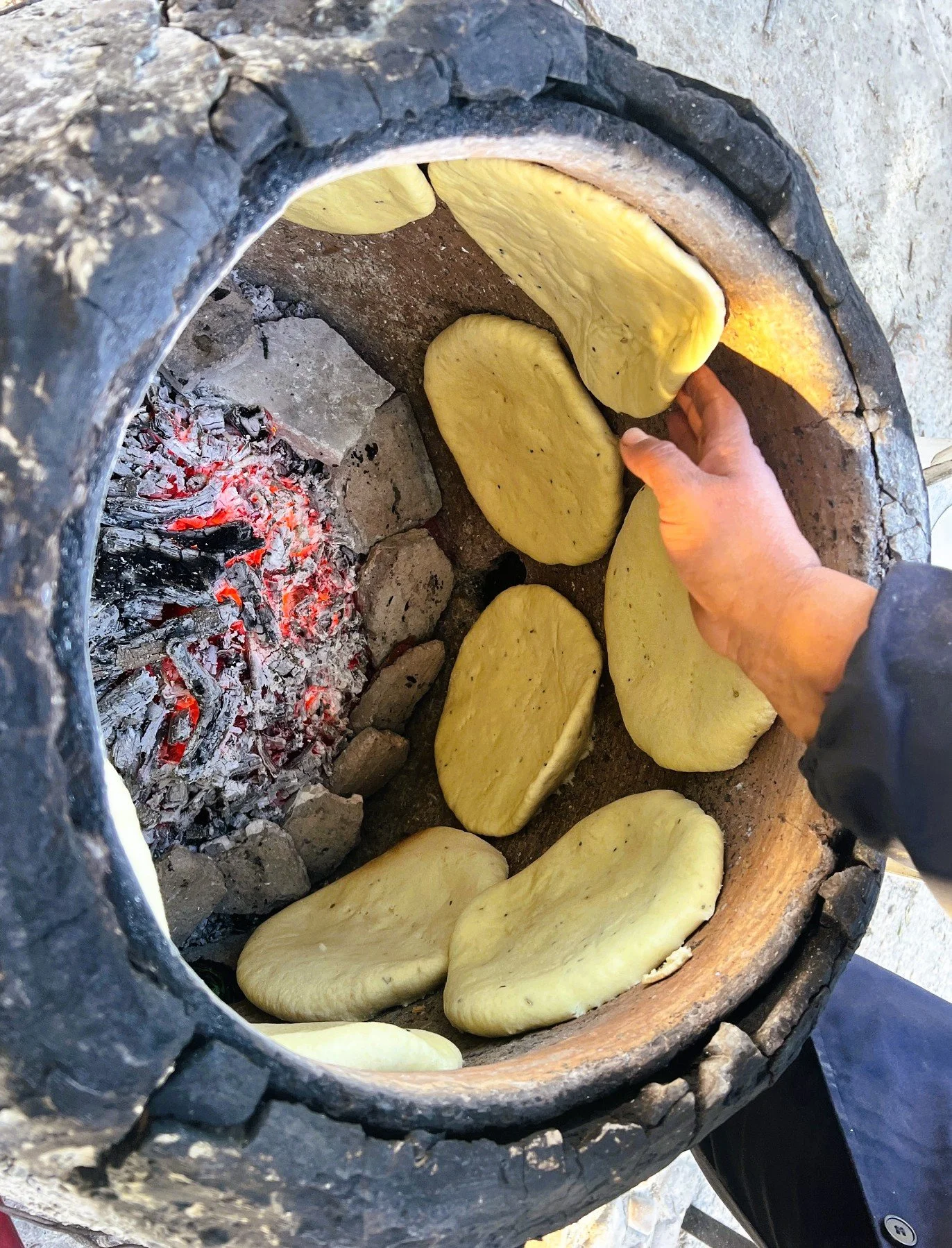
The oven—called a tabuna---is made of clay shaped into an upside-down dome. Centered at the bottom, a small fire burns olive branches. The oven stands about three feet tall with a cylindrical opening at the top.
The woman’s hands knead the sticky dough into a round shape until she is ready to slap it hard against the inside of the oven’s heated walls. Her bare hands, calloused against the heat, move a dozen or so loaves of bread around the oven according to her internal thermometer.
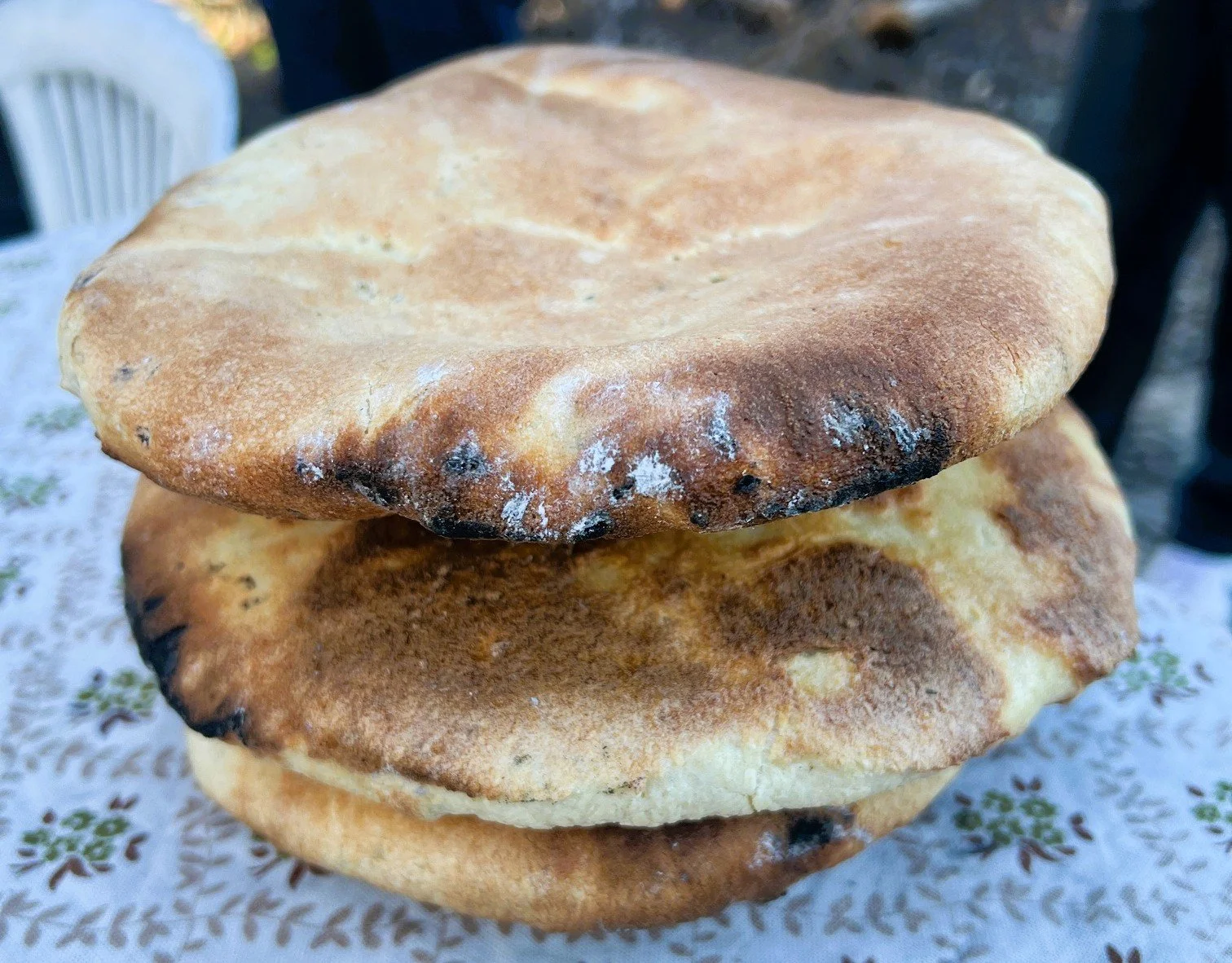
The result are thick, charred, crispy loaves of bread. She hands the still hot loaves to her waiting customers.
Sensing that I’m in transit, the old woman offers me a bread round ahead of the men waiting in line. Sheepishly and with a smile, I take my treat. Without counting, I fork over a handful of Tunisian dinars.
I chew slowly, breaking bread with the other men. My teeth and tongue surround the warm, ashy taste.
Days later, I can still taste her kindness.